
Last updated November 21, 2026
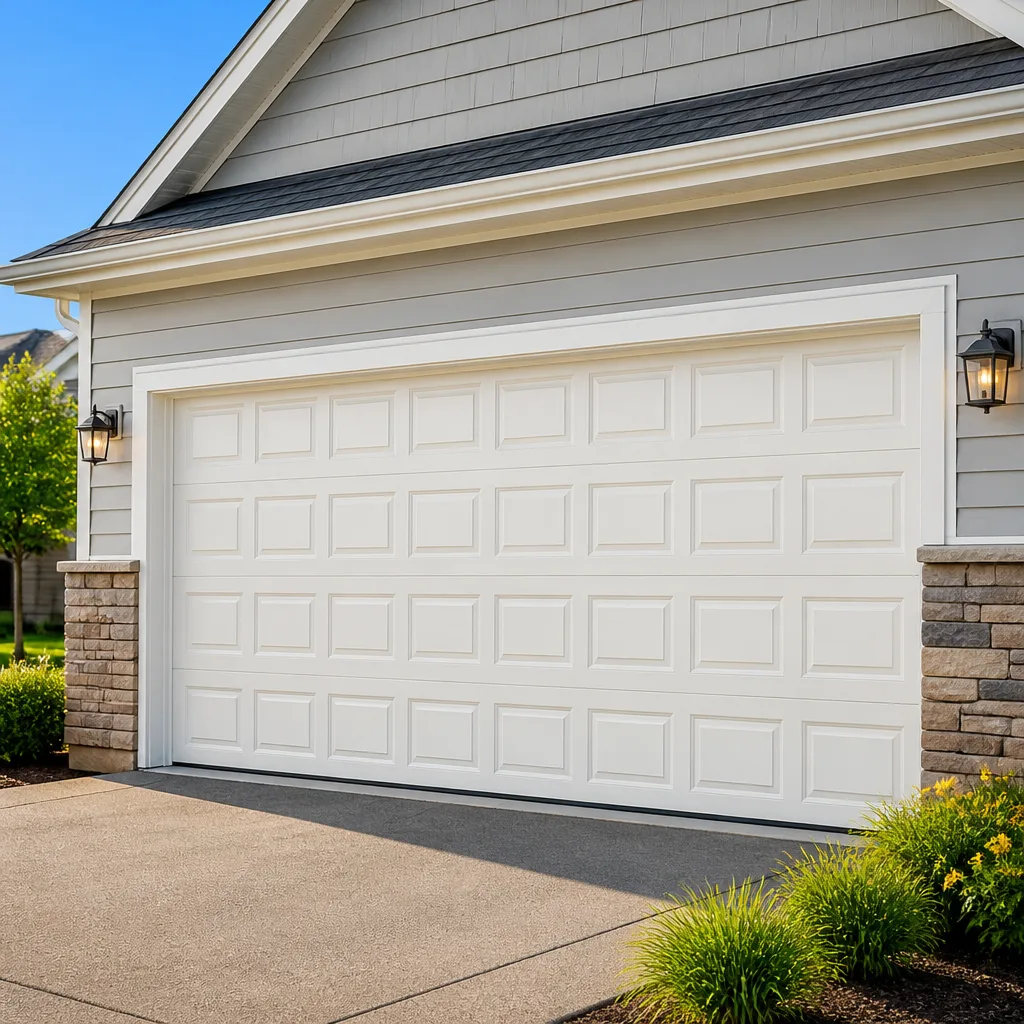 Raised-panel steel
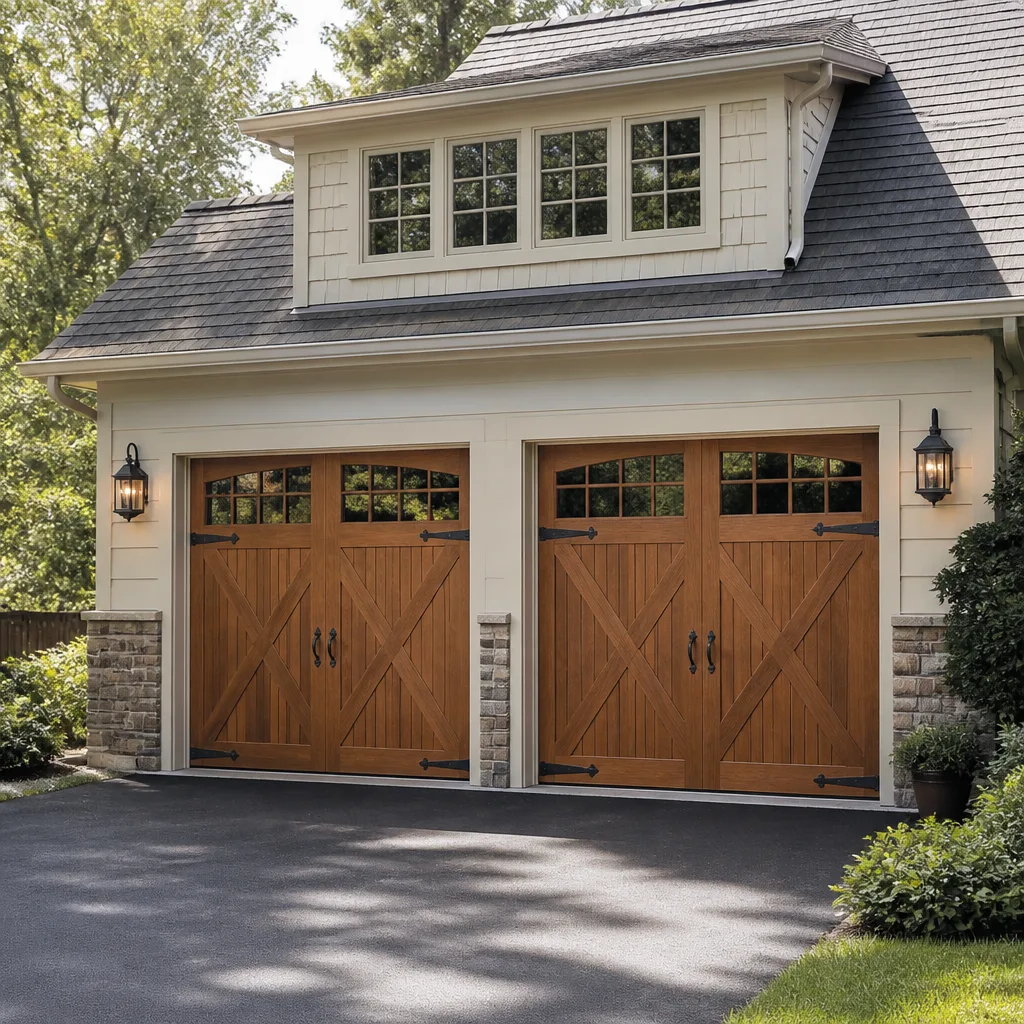 Carriage house
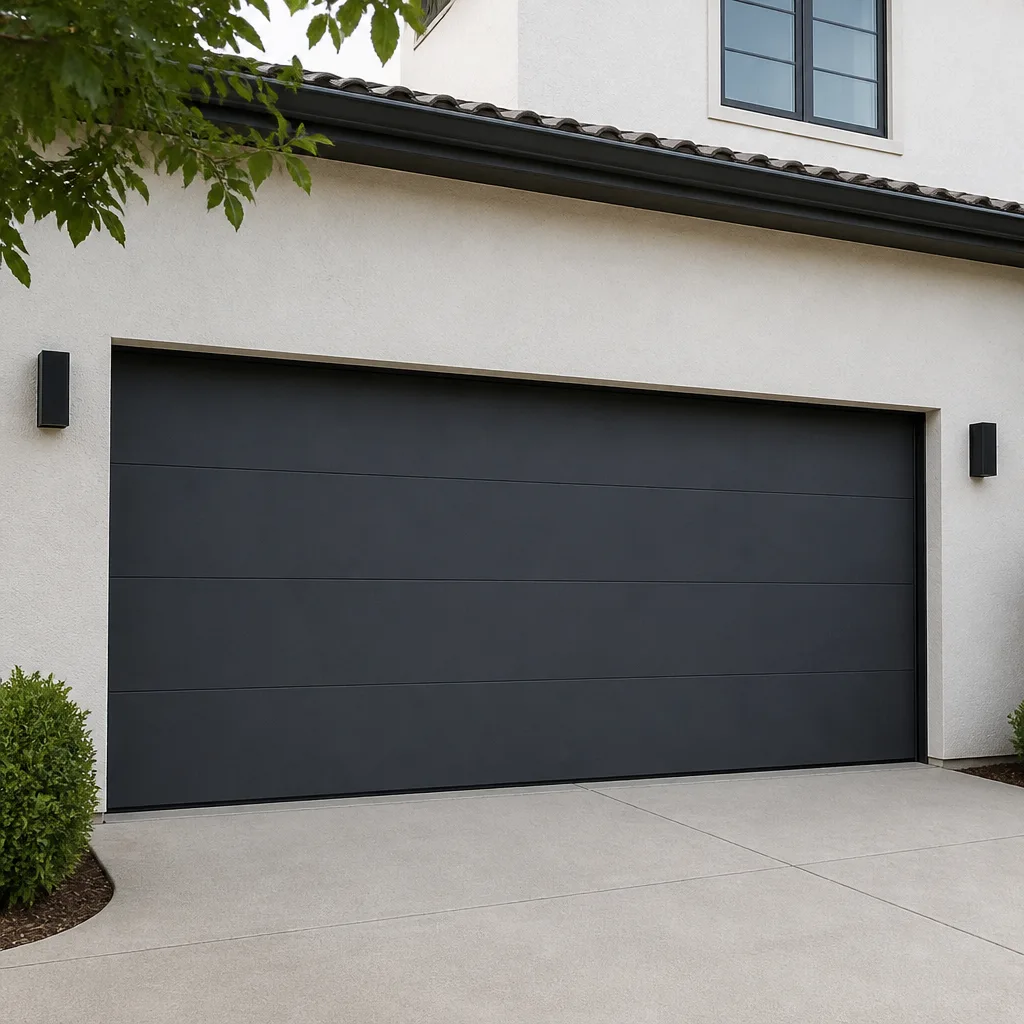 Modern flush
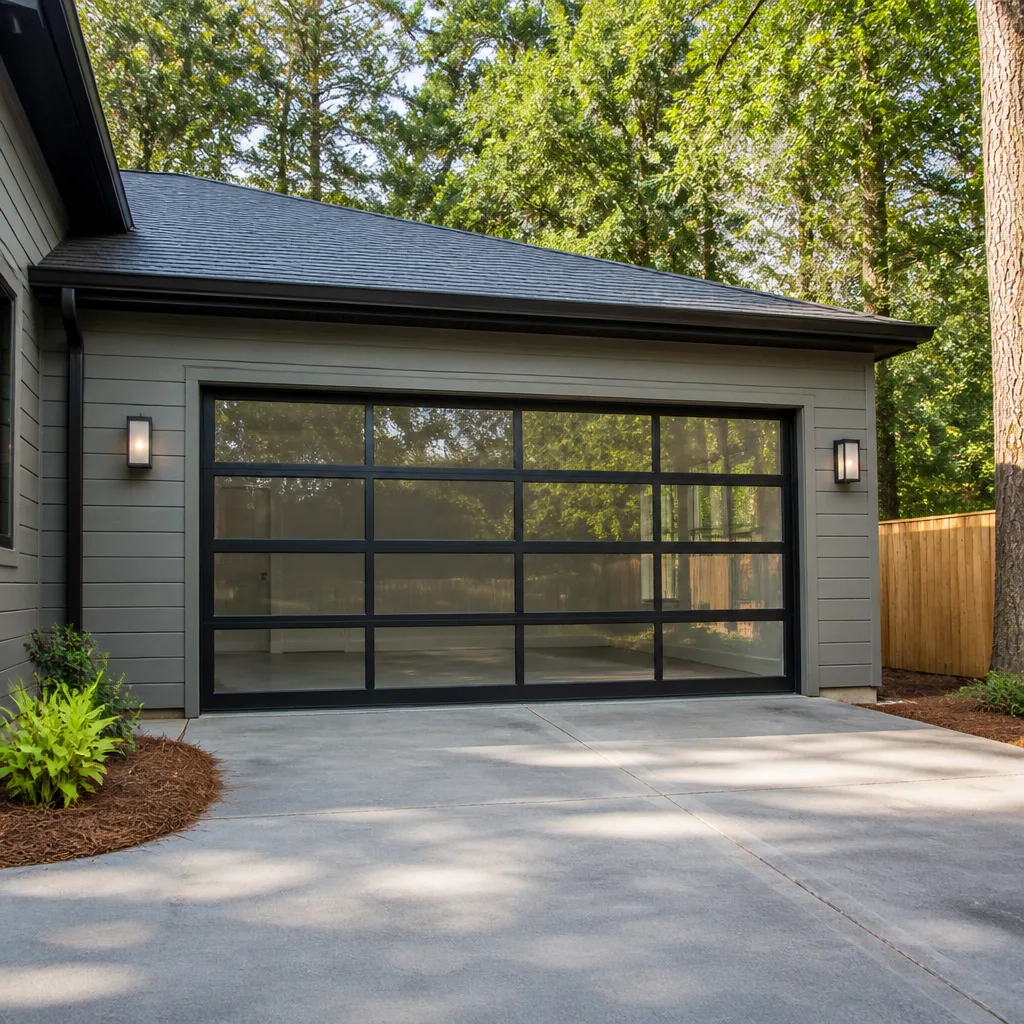 Full-view glass
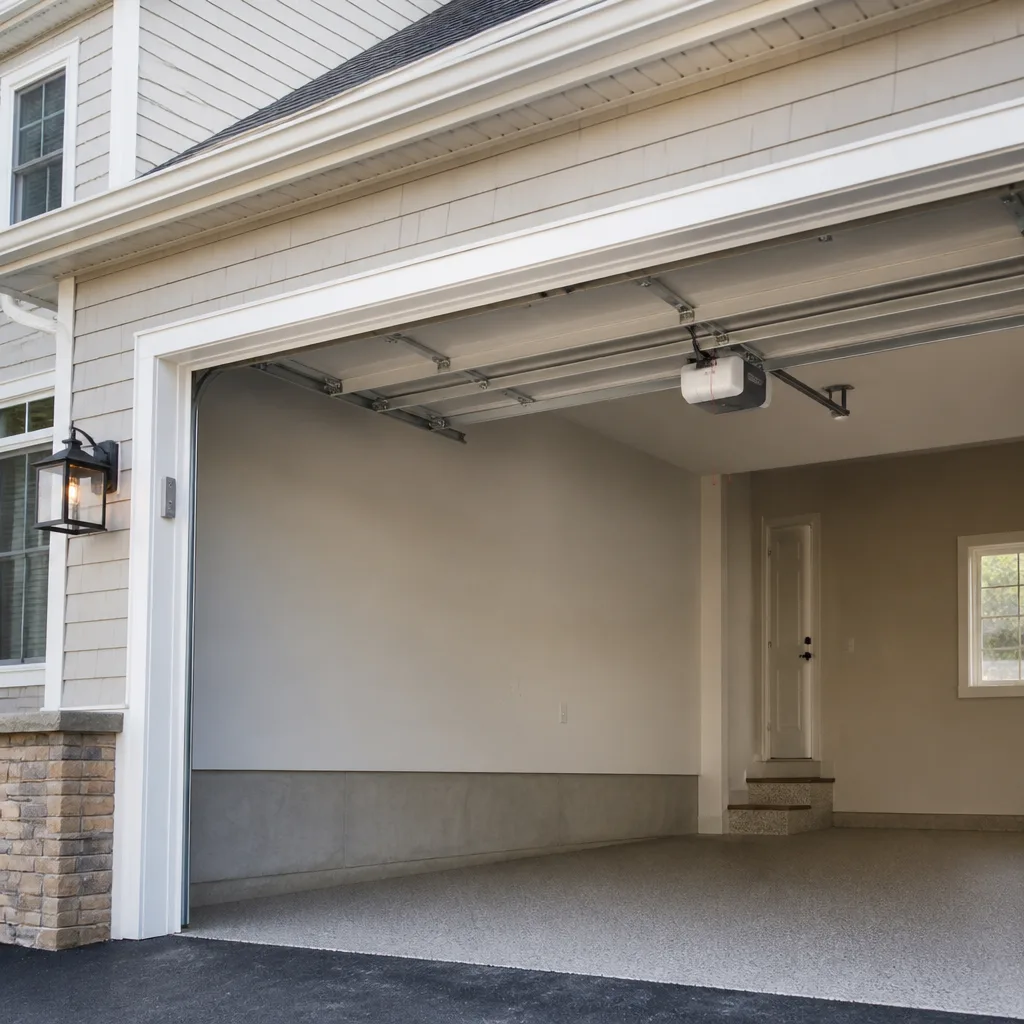 LiftMaster openers
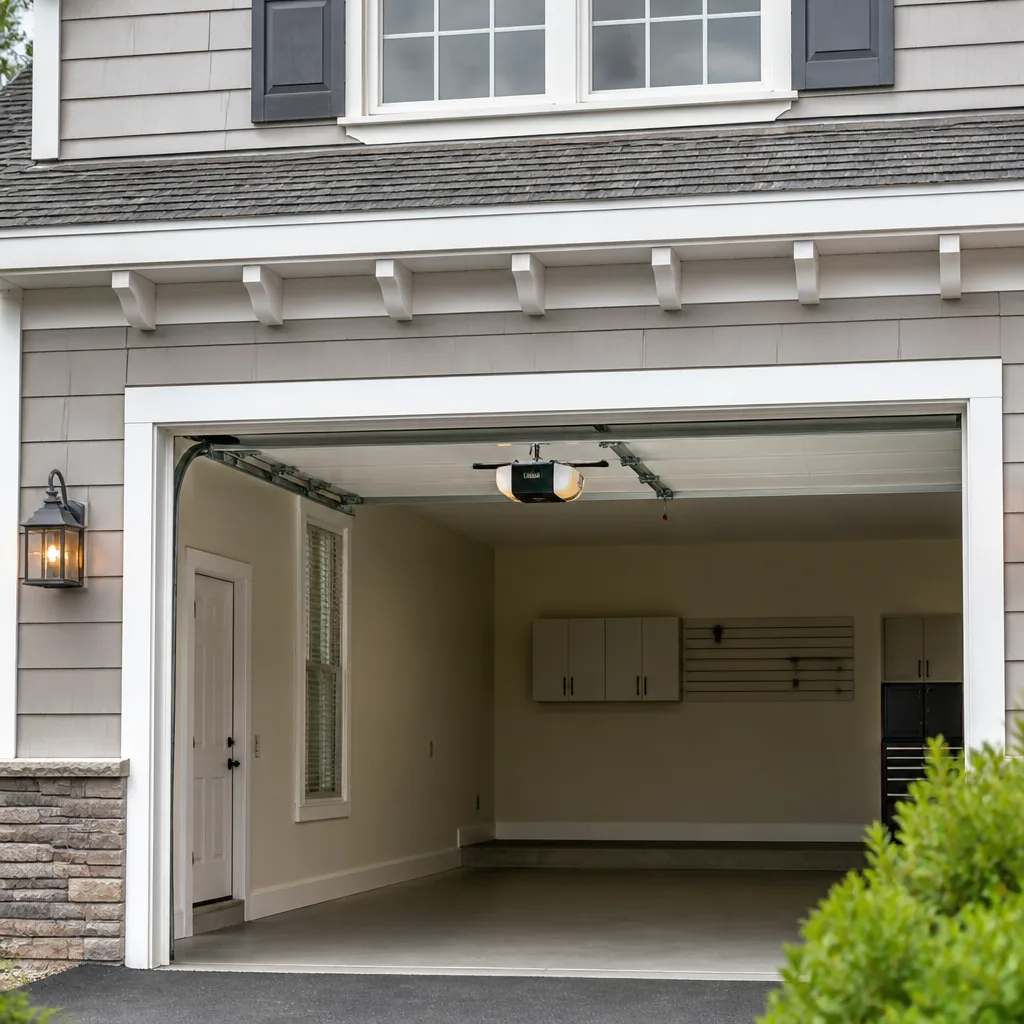 Chamberlain openers
Full 25-point door and opener safety check with every visit - springs, cables, rollers, tracks, and your LiftMaster or Chamberlain opener included
You get a price before we start. It does not change when the pro arrives.
Get your free estimateGarage Door Emergency Preparedness Guide for Govans Homes
When a torsion spring snaps at 11 PM, most homeowners do the one thing that can make the situation worse: they pull the red emergency cord. On a door with a broken spring, that release can let a door weighing well over 100 pounds come down uncontrolled on whatever is beneath it. The first five minutes after a failure decide whether you have a manageable inconvenience or a genuine hazard. This guide walks Govans homeowners through both kinds of emergency – the security failures and the safety failures – and shows you exactly what to do before anyone arrives.
Quick Answer
Garage door emergencies split into two types that need opposite responses. A security emergency (door stuck open, lock broken, car trapped) means securing the opening and staying safe. A safety emergency (snapped spring, door falling, opener sparking or smoking) means keeping everyone clear of the door and never pulling the manual release. In both cases, call (877) 378-7082. We answer 24/7, and fast dispatch runs from 7am to 7pm, Sunday through Friday.
Styles & brands we work with
- Raised-panel steel
- Carriage house
- Modern flush
- Full-view glass
- LiftMaster openers
- Chamberlain openers
Table of Contents
- Security Emergency or Safety Emergency? The First Decision
- The Emergency Cord: When Pulling It Is Safe
- How to Secure a Door That Won’t Close
- Door Stuck Open Overnight: The Security Protocol
- Power Outage: Manual Operation for Every Common Opener
- What to Have Ready When You Call
- Why Govans Homes Face These Failures Differently
- A Preventive Checklist for Govans Homeowners
Security Emergency or Safety Emergency? The First Decision
Every garage door failure in Govans starts with one question: is the problem that the door won’t close, or is the problem that the door is dangerous? Those are entirely different emergencies.
Security emergencies leave your home exposed or trap your vehicle. The door is stuck open and won’t come down. The lock won’t engage. The opener runs but the door doesn’t move. The car is inside and the door won’t lift. In these cases, the mechanism itself is probably intact and the risk is exposure, not injury.
Safety emergencies involve load, electricity, or falling weight. That means:
- A torsion or extension spring has snapped. You’ll hear a loud bang, and the door may feel impossibly heavy or lopsided.
- The door is hanging crooked, with one side lower than the other, or a cable has come off its drum.
- The opener hums, sparks, smells like burning, or trips the breaker.
- The door fell or partially fell, or it moves on its own.
Security failures are handled with locks, props, and patience. Safety failures are handled by keeping people clear and calling a technician who works on high-tension assemblies. If you’re not sure which category you’re in, assume safety. A door stuck open in Govans is inconvenient. A door with a failed spring that drops on someone is serious.
Lead with that assumption. The next few sections explain how it changes what you do.
The Emergency Cord: When Pulling It Is Safe
The red manual release cord (sometimes a handle) disconnects the door from the opener trolley so you can move it by hand. It is safe to pull only when the door’s lifting hardware is intact, the door is fully closed at the time you pull it, and you can physically lift the door yourself. On a door with a broken spring, pulling the cord can let the full weight of the door fall. Don’t.
Here’s how to tell the difference between the two situations.
- Look at the door’s balance. With the door closed and disconnected, lift it about waist high and let go. A healthy door stays roughly where you leave it. A door that slams down or feels dead-heavy has a spring or cable problem – pull nothing, and keep nobody underneath it.
- Check the springs. If you have a torsion spring above the door, look for a visible gap in the coiled steel. Extension springs along the horizontal tracks should be intact, not stretched or dangling. A gap means a break, and the door should only be handled by a trained technician.
- Check the cables. A cable that has come off the drum or is slack means the door isn’t supported. Don’t touch the cord.
- If the door is closed and balanced and the opener has simply failed (no response, dead motor, remote issue), pulling the cord to open the door by hand is fine. Lift slowly, and only while the door feels light enough for you to control.
For the “opener is dead but the door is fine” case, our garage door opener repair covers the common causes – dead logic board, failed capacitor, stripped gear – on LiftMaster, Chamberlain, Genie, and Craftsman units. But the door itself has to move safely first.
One more rule that applies to every situation: never pull the release with the door open. The door can come down hard and unexpectedly. If the door is already open and won’t close, leave the cord alone and follow the next section instead.
How to Secure a Door That Won’t Close
If the door is stuck open and you can’t get it down, you have two safe options to secure the opening: manually lower and lock the door with the opener disconnected and the door’s hardware intact, or block the opening mechanically if the door truly won’t come down. What you should not do is prop the door up with a ladder, a broom handle, or a chair and call it done.
Let’s walk through this.
Method one: lower the door by hand. If the opener has failed but the springs and cables are intact, the disconnect cord is your friend. Pull it with the door open, then guide the door down slowly with the bottom edge under your control. It should feel moderately heavy but balanced. Close it fully and engage the manual lock or slide bolts at the sides so nothing can lift it. Only do this if you can control the door’s descent.
Method two: block the opening without relying on the door. If the door won’t move and you can’t safely lower it, block the opening from the inside with a heavy piece of furniture, a vehicle parked snug against it, or your own presence overnight. That’s a temporary measure, not a solution, but it stops easy entry while you schedule repair.
The common improvisation that isn’t safe: shoving a board or a wedge under an open door to “hold” it. A crooked, heavy door can shift and crash. Blocks under the tracks or a bent piece of wood against the panel don’t change the load the door carries. Don’t trust it. If you can’t lower the door or block the opening reliably, stay in the house and call us. We’ll get a technician out. Emergency response is a real service, not a sales pitch. From small repairs to full replacements, our garage door repair handles whatever a stuck door needs.
Door Stuck Open Overnight: The Security Protocol
A garage door that stays open overnight is a security gap, not a safety hazard, and the response is straightforward: secure the perimeter, keep the door lit or monitored, and have it repaired first thing. Here’s what a solid overnight protocol looks like for Govans homes.
- Get your car out or leave it in. If the door is open and the car is inside, drive it out if you need it. Don’t try to force the door down over the vehicle.
- Move valuables out of view. Anything in the garage worth grabbing is on display. Clear the line of sight through the opening.
- Block the opening. If the door won’t come down, a vehicle parked close to the opening, or a heavy barrier from the inside, is what you’ve got.
- Light the opening. Leave an exterior light on. Illumination deters casual entry.
- Check the interior door. Make sure the door from the garage into your home is locked. That’s your real barrier if the garage is exposed.
- Note the failure for the call. Write down what the door does when you press the wall button, whether the opener hums or is silent, and whether the door is level. That information saves a trip.
- Call us. Call (877) 378-7082. We answer 24/7. A call outside dispatch hours is booked into the next opening, Sunday through Friday, 7am to 7pm.
You don’t have to camp out in the garage. The single interior door between the garage and the house is the barrier that matters most overnight. Lock it.
Power Outage: Manual Operation for Every Common Opener
When the power goes out, almost every residential garage door opener – LiftMaster, Chamberlain, Genie, Craftsman, Raynor – can be disconnected manually by pulling the release cord or handle and lifting the door yourself. Doing it correctly won’t void the warranty; forcing a door with the opener still connected can. The trick is knowing how your unit disconnects and how to re-engage it.
Here’s the routine across the major brands:
- LiftMaster and Chamberlain: most units have the release cord hanging from the trolley at the top of the door. Pull it straight down and the door disconnects from the belt or chain. If your opener has a battery backup, the door may run normally with a wall button. Check whether your unit has that feature.
- Genie and Craftsman: a similar trolley release, sometimes with a red handle. Some Genie smart units pair with a battery backup that keeps power on the trolley; on those, don’t pull the cord unless the unit is dead.
- Older units without a visible cord: look along the rail for a trolley lever. It may have a small handle or knob. If the release mechanism is corroded or stuck, don’t force it – remove the load by treating the opener as failed and unplug it, then handle the door as described above.
The re-engagement step is where people get into trouble. When the power comes back, you need to push the door along the track until the trolley engages with the carriage, then press the wall button once. If the opener doesn’t re-engage, don’t run the motor repeatedly. It may need a technician. Our garage door repair team handles the re-engagement and the opener diagnostics on all the major brands.
One note: never manually operate a door with a broken spring, even during a power outage. The manual release doesn’t fix the load problem. That’s a safety emergency. Keep everyone clear and call.
What to Have Ready When You Call
When you call for emergency garage door service, the details that matter most are the door type, the brand of opener, the exact symptom, and whether the door is currently open or closed. Having these ready means the technician arrives with the right parts and the right timing. Here’s what to gather before you dial.
- Door type: sectional, one-piece tilt-up, or roll-up. Note the width and whether it’s a single or double door.
- Opener brand and model: LiftMaster, Chamberlain, Genie, Craftsman, Raynor, or other. The model number is usually on a label at the back of the motor unit. A photo works.
- The symptom, in plain words: “It hums and won’t move,” “It clicks then stops,” “The chain spins but the door stays down,” “The door goes up but not down,” “It lights up but doesn’t respond.” These point to different parts.
- The door’s current state: open, closed, half-way, crooked, or hanging.
- A sound check: did you hear a bang? That’s typically a spring. A grinding or clicking usually indicates opener gear or trolley issues.
- Power and breaker status: has power been out? Is the opener’s outlet on a GFCI or breaker that could have tripped?
- Access info: whether the door faces a driveway or alley, whether a vehicle is blocking it, and whether anyone is home.
Having this ready helps us match the job to the right technician and the right brand-specific parts. That’s the difference between a guess and a diagnosis. If you’re in the middle of the failure, don’t worry about all seven items. Call, describe what you’ve got, and we’ll ask the rest. Call (877) 378-7082. We answer 24/7. Fast dispatch from 7am to 7pm, Sunday through Friday.
Why Govans Homes Face These Failures Differently
Govans is an older, established part of Baltimore, and that matters for garage door emergencies. Many homes here have long driveways and detached or attached garages with doors that have been in service for a long time. The housing stock is varied: rowhouses with narrow garages, single-family homes with double bays, and conversions where the garage was added later. That variation shapes what fails and how.
What we see in Govans comes down to a few patterns:
- Age and load. Springs have a service life measured in cycles, not years. A door up and down twice a day adds up. Older doors with original springs in Govans homes are prime candidates for a snap.
- Temperature swings. The Mid-Atlantic climate gives Govans hot summers and cold winters. The expansion and contraction of steel tracks and springs, plus the extra load a heavy winter door puts on the opener, help push tired springs past their limit.
- Mixed opener generations. Many Govans garages have a newer smart opener on an older door, or the reverse. That mismatch is where diagnostics get interesting. A LiftMaster board with a legacy door can behave in ways a generic repair generalist won’t recognize.
- Tight clearances. Rowhouse garages in the Govans area often have low headroom. Torsion spring replacement and opener installation in tight spaces take specific tools and training.
None of that means your door is doomed. It means the person who works on it should know what they’re looking at. Our technicians have up to 10 years of experience across eight major brands, and we work on the brand you already have.
A Preventive Checklist for Govans Homeowners
Most emergencies announce themselves weeks ahead of time if you know what to look for. Run through this checklist once a season. It takes five minutes and can save you a call at 11 PM.
- Listen. A grinding, squeaking, or popping door is telling you something. Lubricate rollers and hinges, and note any new sound for a service visit.
- Watch the balance. With the door closed, disconnect it and lift it halfway. If it doesn’t hold, the springs are losing tension. Book a service visit before one fails.
- Check the springs by eye. A visible gap in the torsion coil or a stretched extension spring is a red flag. Don’t touch it; schedule a replacement.
- Test the safety reverse. Put a roll of paper towels under the closing door. If it doesn’t reverse on contact, the opener’s safety system needs attention.
- Inspect cables and drums. Look for slack, fraying, or cable off the drum. Frayed cables are a safety failure waiting to happen.
- Lubricate. A garage door is a mechanical system, and a small amount of proper lubricant on the moving parts reduces wear.
- Check the weather seal. A worn bottom seal lets water and cold air in and can freeze to the floor in winter, which loads the opener at every lift.
If any of these turn up a problem, our Garage Door Repair Govans team can look at it before it becomes an emergency. And if you’re planning a full replacement, the same team handles garage door installation on Clopay, Amarr, Wayne Dalton, and Raynor doors.
Common Mistakes to Avoid
- Pulling the emergency cord on a broken-spring door. The door can drop the full distance with nothing holding it up. On a Govans rowhouse garage with a low ceiling, that means heavy panels coming down in a tight space. Leave the cord alone until you know the springs are intact.
- Propping an open door with a ladder or a broom. A wedged board doesn’t change the load on the door. If the door shifts, it shifts. Secure the opening a different way or call us.
- Running the opener after a spring snap. The opener will pull the door up crooked, strain the motor, and can damage the trolley and tracks. That turns a spring repair into a spring and opener repair.
- Forcing a corroded release mechanism. If the manual release is stuck, forcing it can break the trolley and leave the door permanently disconnected. Have a technician evaluate it.
- Ignoring a door that reverses for no reason. A door that stops and reverses mid-close is usually a safety sensor or travel-limit problem. If it’s a sensor, bad alignment around a snowy or debris-strewn Govans driveway is common. If it’s the travel limit, the opener needs setting, not a slap on the button.
- Waiting out a humming opener. A hum with no movement is often a failed capacitor or stripped gear. Let it hum and you can burn the motor. That’s a repair that grows into a replacement.
- Calling with a vague description. “It’s broken” means a technician shows up without the right parts. Tell us the brand, the model, and the symptom. You’ll get a faster, more accurate diagnosis.
See the difference
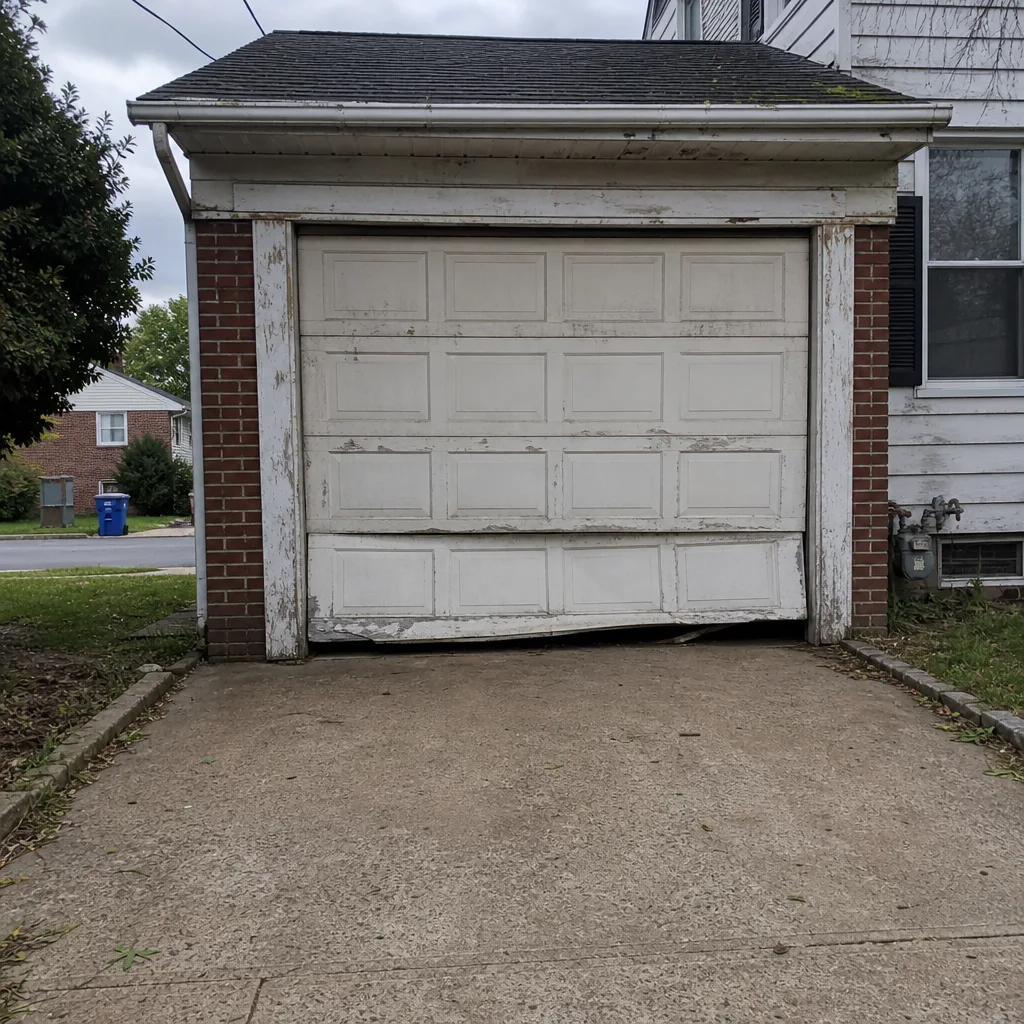 Before
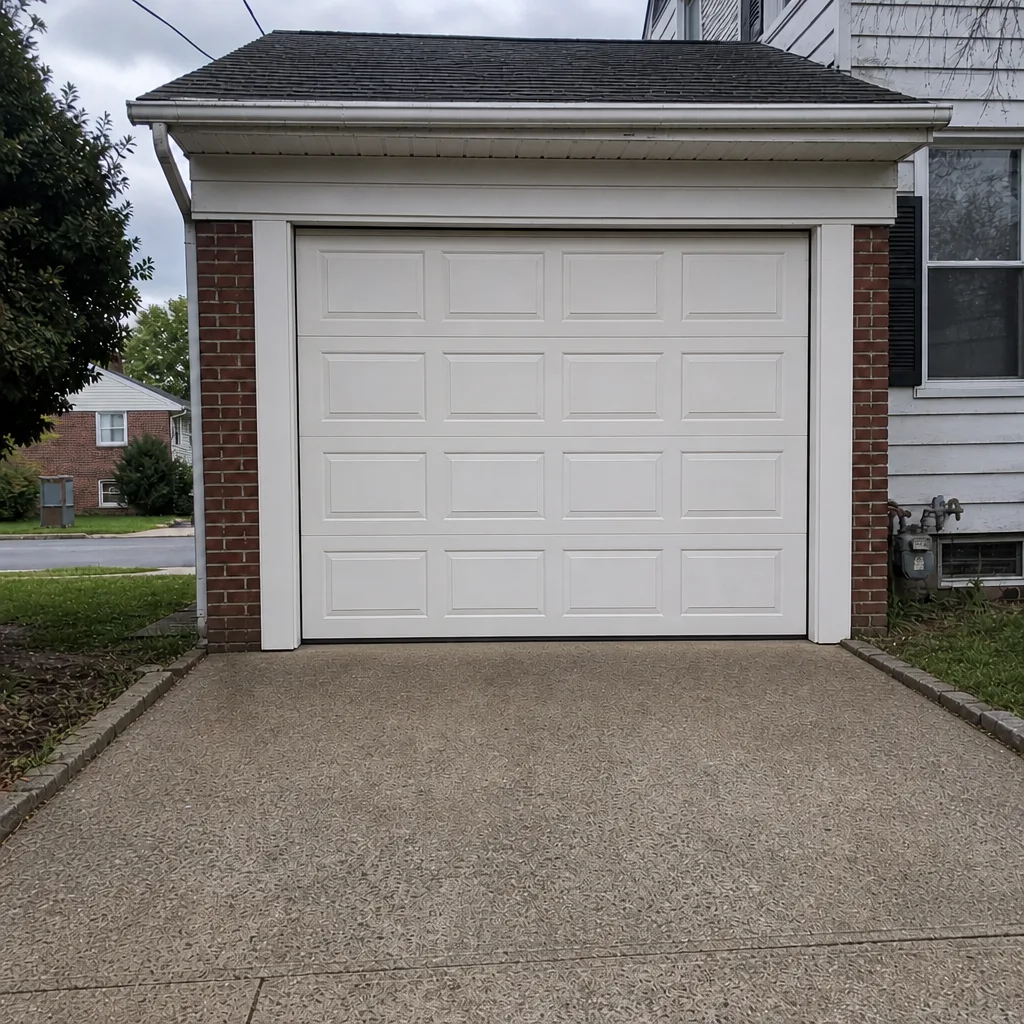 After
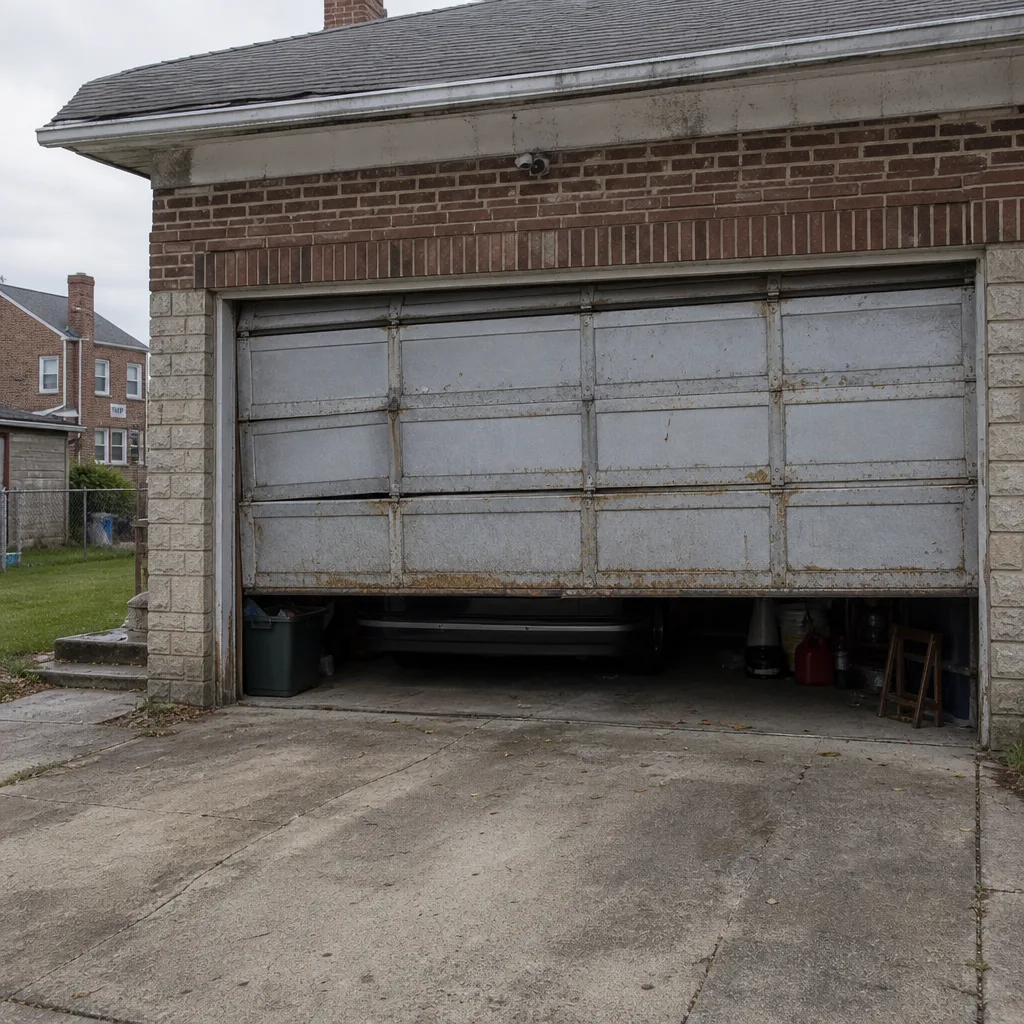 Before
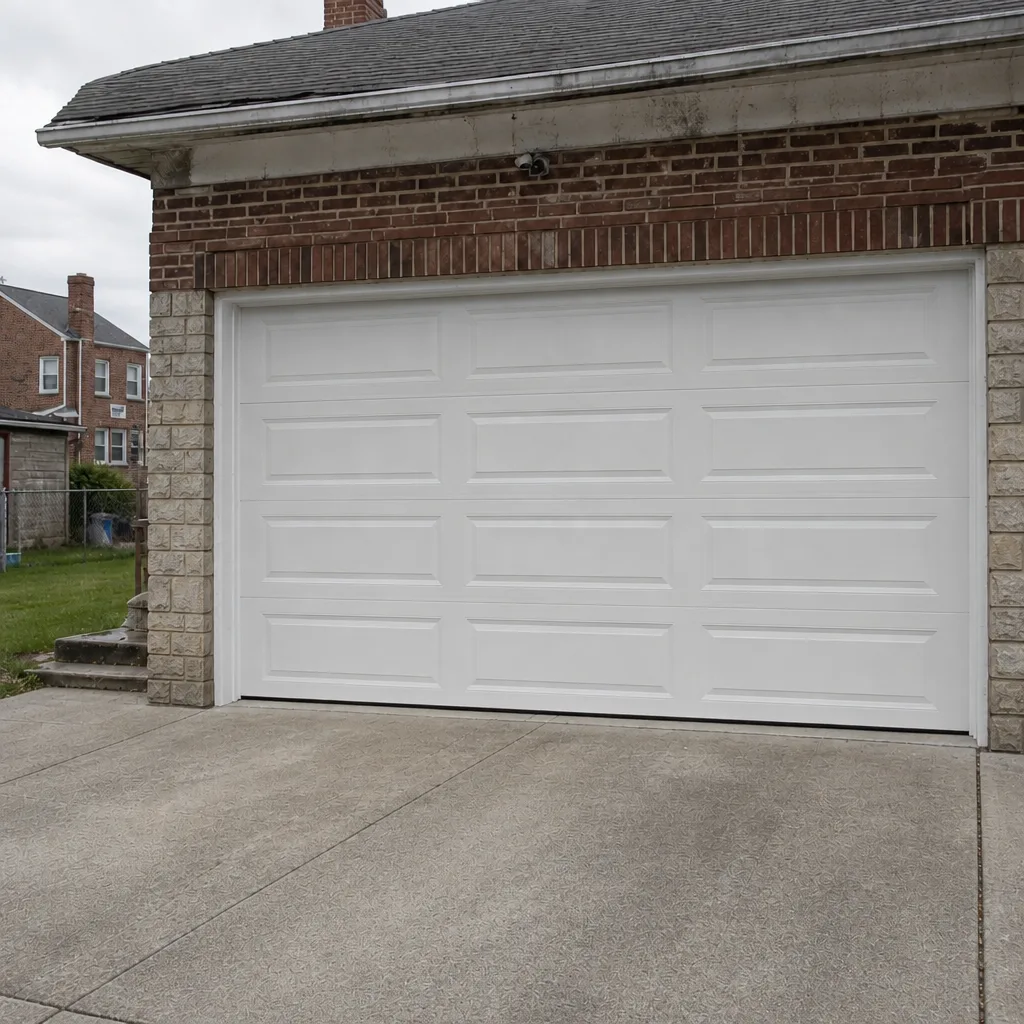 After
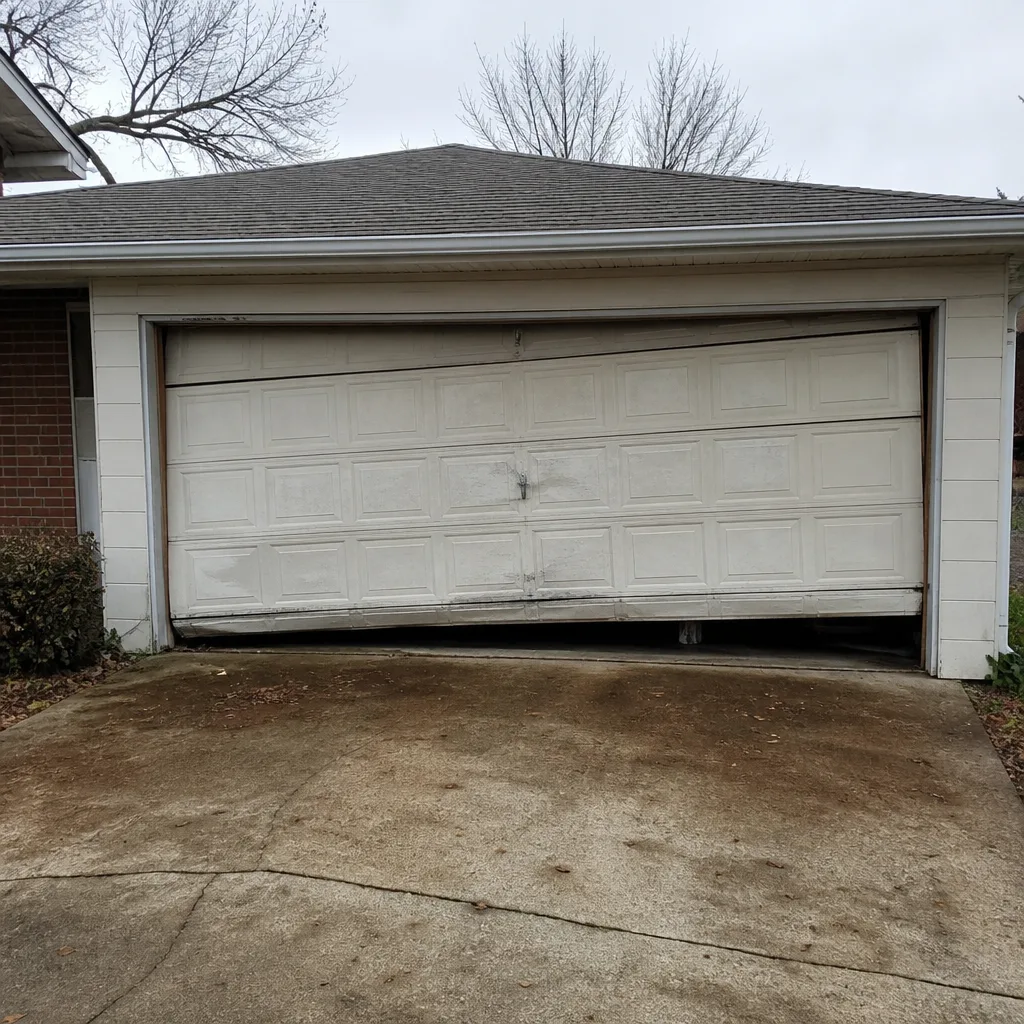 Before
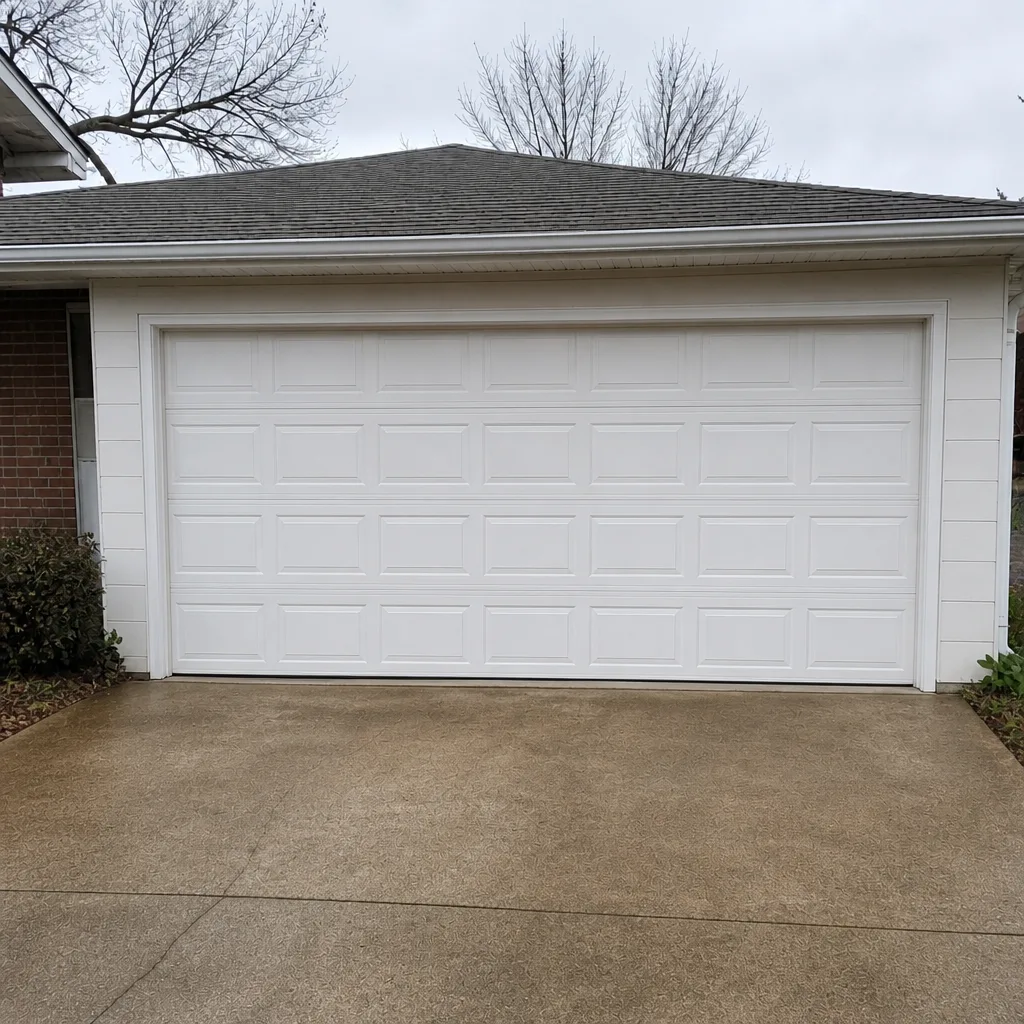 After
When to Call a Professional
Some garage door problems are genuinely do-it-yourself territory: a remote that needs reprogramming, a track roller that’s popped out, a light bulb behind the lens. The rest call for a trained technician. A snapped spring, a cable that’s come off the drum, an opener that sparks or smells like burning, a door hanging crooked, a door that’s fallen – these are jobs for someone with the right tools and the training to work safely around high tension. The same is true for anything involving the opener’s wiring, which connects to your home’s electrical system. Don’t test it yourself. On the Govans side, a door stuck open overnight is a security call, and we treat it as one. Garage Door Repair Govans offers free estimates in Govans – call (877) 378-7082. We answer 24/7, with fast dispatch from 7am to 7pm, Sunday through Friday.
Frequently Asked Questions
No. Pulling the release cord on a door with a broken spring or cable lets the door come down under its own weight, which is dangerous. Keep everyone clear of the door, leave the cord alone, and call (877) 378-7082. We answer 24/7.
Lock the door between your garage and your house, block or light the opening as best you can, and call for service. A stuck-open door in Govans is a security emergency. Don’t force it down. Call (877) 378-7082 for an estimate.
On most LiftMaster, Chamberlain, Genie, and Craftsman openers, pull the red release cord to disconnect the door from the trolley, then lift the door slowly by hand. Only do this if the door feels balanced and the springs are intact. If the door feels dead-heavy, don’t lift it, and call us at (877) 378-7082.
No. The written estimate you agree to before any work starts sets the final price. We quote per job after seeing the door. The estimate is free, and the agreed price is what you pay. Call (877) 378-7082 for an exact quote.
The local professionals we connect you with are licensed and insured as their state requires. Our technicians have up to 10 years of experience across eight major brands, including spring repair, opener work, and full installations. Call (877) 378-7082 to discuss your job.
A hum with no movement usually means a stripped gear, a failed capacitor, or a problem in the trolley, and running it more can damage the motor. Stop pressing the button and call (877) 378-7082. It’s often a fix, not a replacement. Call for a free estimate.
The Bottom Line
The first five minutes after a garage door failure decide what happens next. On a security failure – door stuck open, car trapped, lock busted – secure the opening and call. On a safety failure – snapped spring, falling door, sparking opener – keep everyone clear and don’t touch the release cord. Govans homes have older springs, tight rowhouse garages, and mixed opener generations, so the diagnosis should match the equipment. Our technicians work on the brand you already have, from the opener to the panel. When the door won’t move, call (877) 378-7082. We answer 24/7. Fast dispatch from 7am to 7pm, Sunday through Friday. The estimate is free, and the written price is agreed before any work starts. Same-day repair is available when the schedule allows.
For any garage door need in Govans, call (877) 378-7082 for a free estimate. We answer 24/7. Fast dispatch from 7am to 7pm, Sunday through Friday.
Written by the team at Garage Door Repair Govans.