
Last updated November 21, 2026
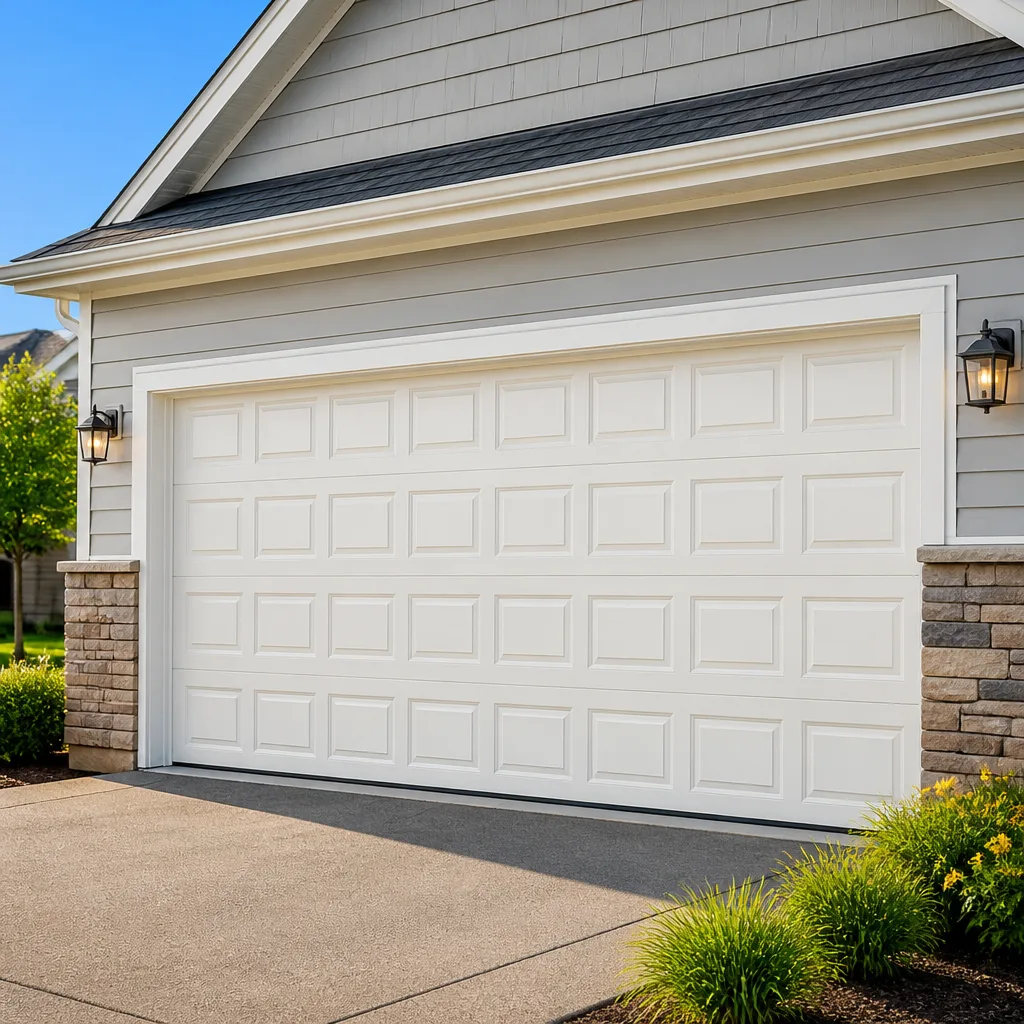 Raised-panel steel
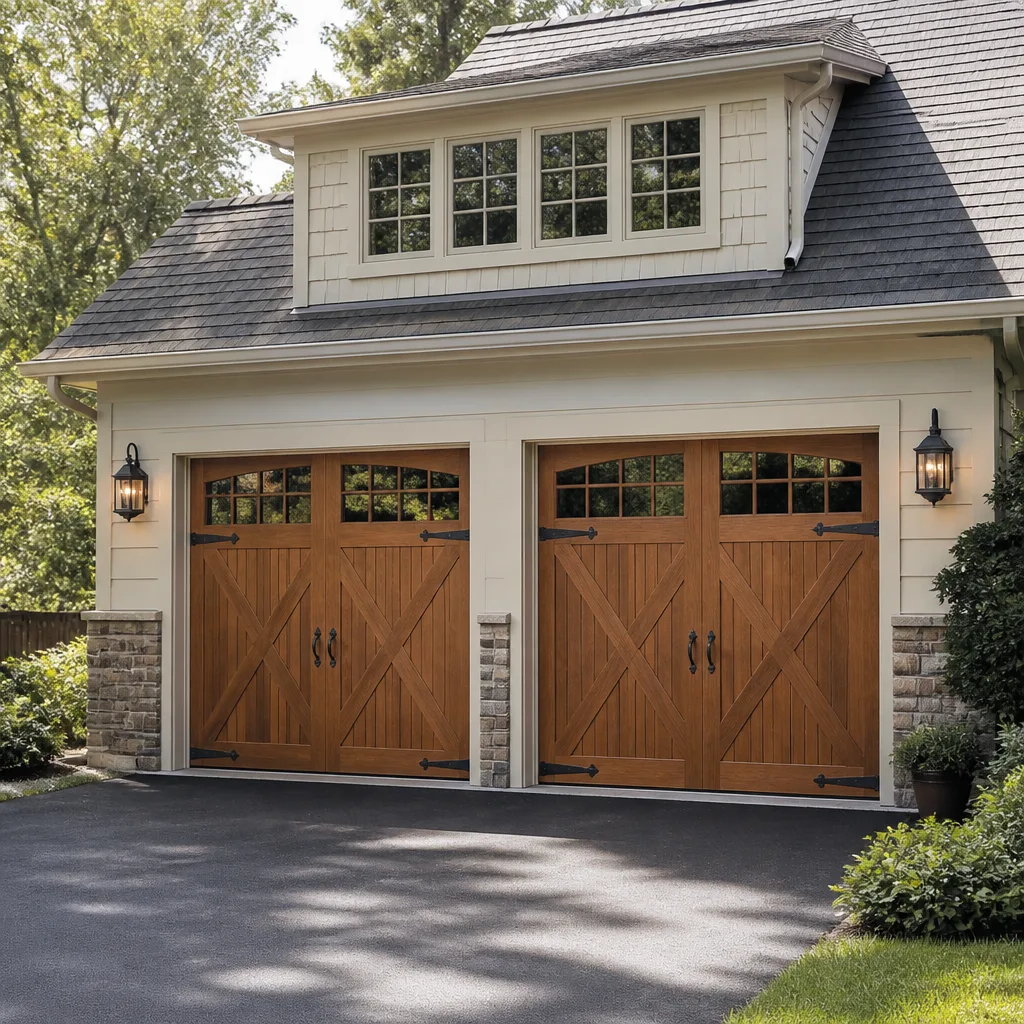 Carriage house
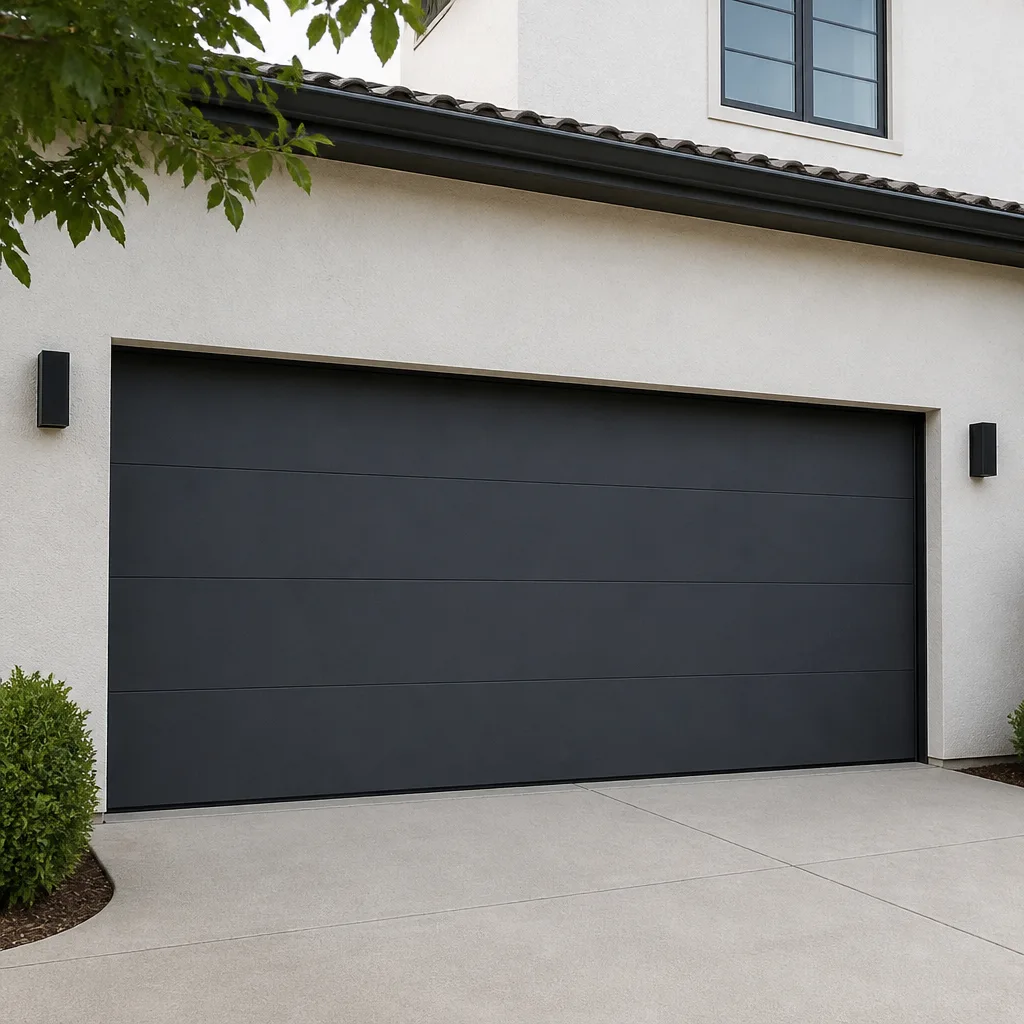 Modern flush
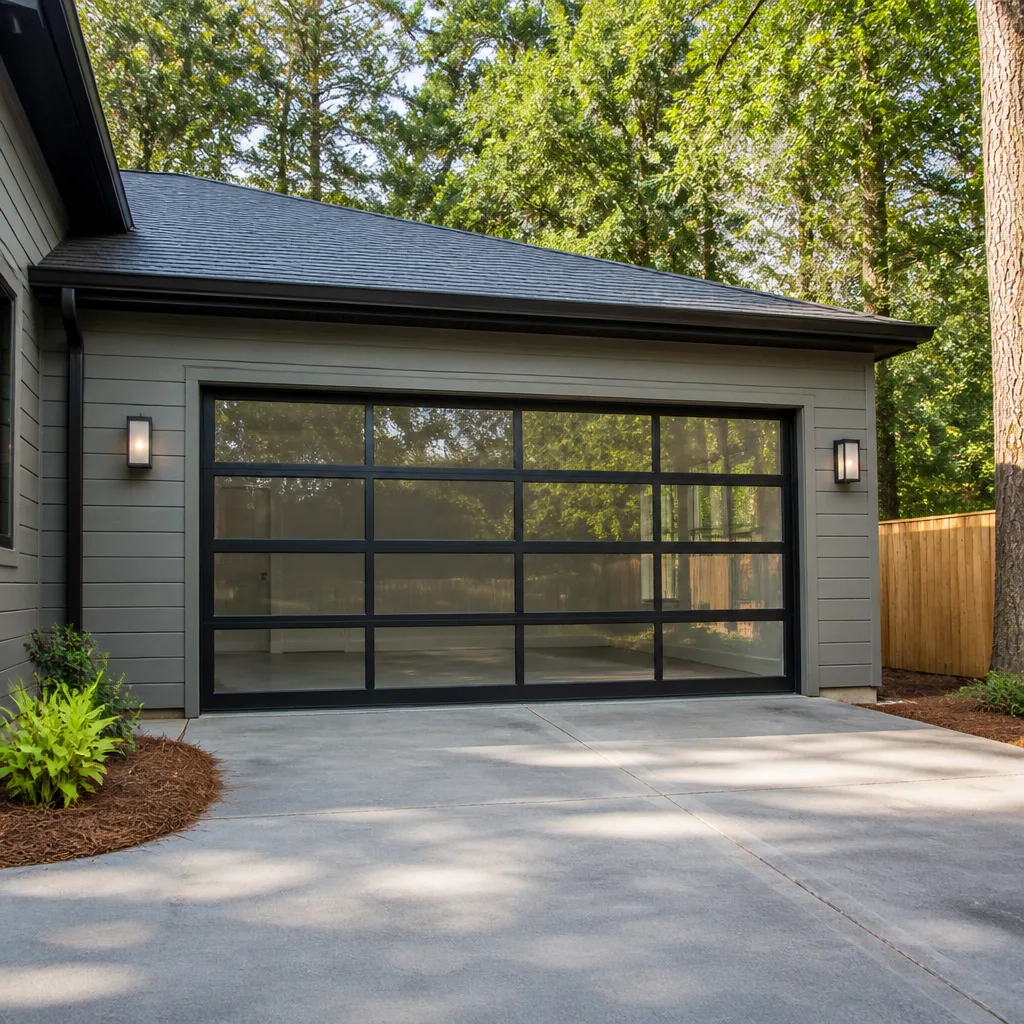 Full-view glass
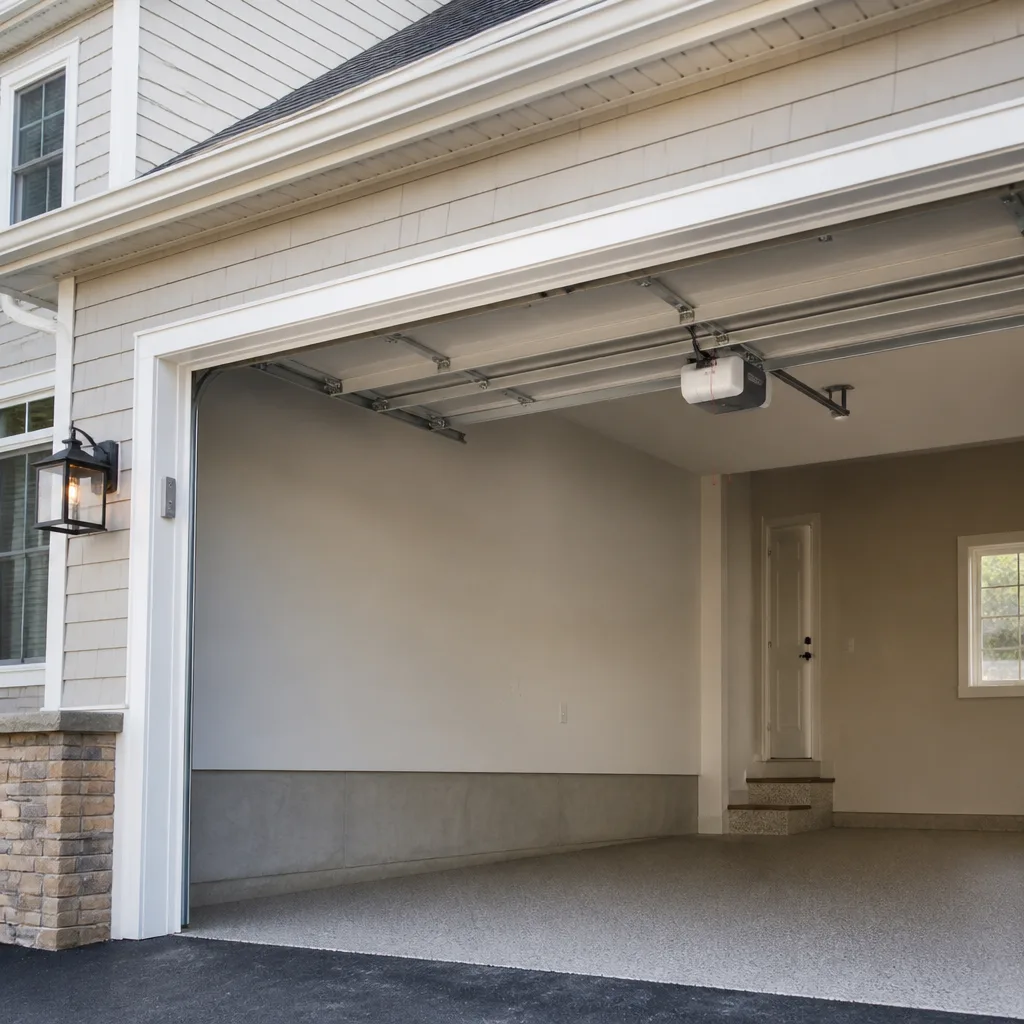 LiftMaster openers
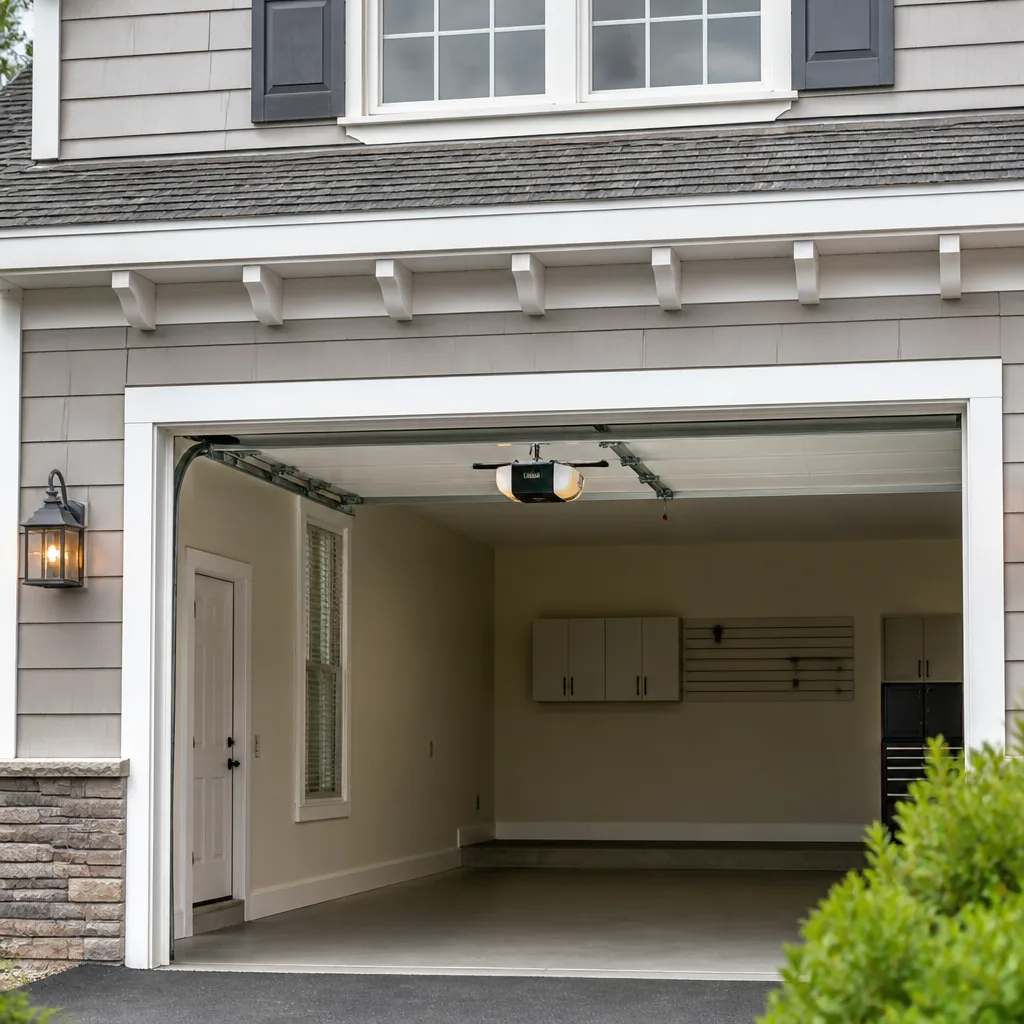 Chamberlain openers
Full 25-point door and opener safety check with every visit - springs, cables, rollers, tracks, and your LiftMaster or Chamberlain opener included
You get a price before we start. It does not change when the pro arrives.
Get your free estimateGarage Door Permits, Codes & Inspections in Govans, MD: What You Need to Know
A new garage door installation that skips the permit process won’t fail a city inspection today. It may not cause a single problem for years. But it can surface later as an unpermitted improvement that stalls a home sale, complicates an insurance claim, or forces a retroactive permit pull with the door already on the wall. That gap between “it works fine” and “it’s on record” is where most Govans homeowners get surprised. This guide walks through when Baltimore City actually requires a permit for garage door work, how the city’s rowhouse and historic overlay rules affect what door you’re allowed to hang, what a licensed contractor’s permit covers versus one you pull yourself, and how to confirm a finished job was properly closed out in city records. We work on doors and openers across Govans every week, and these are the questions that come up most.
Quick Answer
In Baltimore City, a like-for-like garage door replacement (same size, same opening, no structural changes) generally does not trigger a building permit, but any change to the opening, the framing, the header, or the door’s structural attachment usually does, and most work in a historic overlay zone needs design review before a permit is issued. Always confirm with the Baltimore City Department of Housing and Community Development before ordering a door, because the answer depends on your specific property and zoning. The permit, when one is required, is pulled before the work starts, not after.
Styles & brands we work with
- Raised-panel steel
- Carriage house
- Modern flush
- Full-view glass
- LiftMaster openers
- Chamberlain openers
Table of Contents
- When does a garage door swap need a permit in Baltimore City?
- How Govans rowhouses and historic overlays affect door approval
- Contractor-pulled vs. homeowner-pulled permits
- Wind load and energy code: how they shape your door spec
- What the inspection actually checks
- How to verify the job was closed out in city records
- What permits and inspections typically cost and how long they take
- Common mistakes to avoid
When does a garage door swap need a permit in Baltimore City?
The short version: a straight swap of a door for a door of the same size in the same opening usually falls outside the building permit threshold, while anything that changes the opening itself almost always crosses it. The line sounds simple until you’re standing in front of a door that’s technically a quarter-inch wider, or a homeowner who wants to convert a single door into a double, or a detached garage where the door header has sagged enough that the frame needs rework. At that point the job has become structural, and structural work is where permits enter the picture.
Here’s how we think through it before quoting a job in Govans:
- Same door, same opening, same operation. Replacing a sectional door with a new sectional door of identical dimensions, no framing changes, no new electrical for the opener. This is the simplest case, and it is usually handled without a permit, though you should still confirm with the city because rules vary by property type.
- Same opening, different door type. Swapping a sectional door for a roll-up, or a manual door for an opener-equipped door where no wiring exists. The door itself may not trigger a permit, but new electrical work for a powered opener can bring an electrical permit into play. This is where homeowners most often get caught off guard.
- Opening changes: wider, taller, new framing, new header. Any structural alteration to the garage opening is permit territory. The city wants to see the framing plan and the load path before the door goes on.
- New garage construction or an addition. The garage door is one component of a larger permitted project; the door spec will be part of the larger submittal.
- Historic overlay properties. Even a like-for-like replacement can require design review before the door order is placed, so the permit question becomes a review question first.
We see the confusion most often in the blocks near Chinquapin Park, where a mix of older detached garages and rowhouse-adjacent carriage houses sits on lots with varied zoning histories. Two houses on the same street can land on different sides of the permit line. That’s why we tell every Govans customer the same thing: call the city’s permit office with your address and the exact scope before you buy a door. Five minutes on the phone can save weeks later.
If you’re still deciding whether to repair or replace, our garage door repair guide covers the decision points in detail. If the door is failing right now and you need it working before you can even think about permits, we can assess it quickly and tell you what’s honest to fix versus replace.
How Govans rowhouses and historic overlays affect door approval
Baltimore City’s historic districts and design review overlays add a layer that most garage door guides skip entirely: the door you want may not be the door you’re allowed to install. Govans has areas, particularly near Chinquapin Park and along older residential corridors, where the built environment includes rowhouse garages and carriage-house-style outbuildings that sit within or adjacent to overlay zones. In those zones, the exterior appearance of the door is not just your business.
What that means practically:
- Style and material matter. A carriage-house-style door with recessed panels and decorative hardware might be required or strongly preferred in an overlay, while a plain flush-panel door that would be fine elsewhere could be rejected. Historic review is about visual consistency with the block.
- Color and finish can be reviewed. Some overlays care about the finish and trim as much as the door style. A black door on a block of white doors can be a review item.
- Window patterns and lites. If the original door had a row of windows or a specific lite pattern, replacing it with a solid panel may need approval even if the dimensions match.
- Review comes before the order. The worst sequence is: order a door, have it delivered, install it, then discover the overlay requires a different style. Design review should happen before the deposit is paid.
For non-historic Govans properties, the rowhouse factor is different but still real. Rowhouse garages are often tight, with shared or adjacent walls and limited clearance. Sometimes a door that would fit a suburban two-car garage will not fit a Govans rowhouse garage opening, and the “replacement” becomes a framing job, which loops back to the permit question. We’ve seen this most often where a homeowner replaces a 1950s-era wood door with a modern steel door and discovers the rough opening dimensions don’t align cleanly. The door was supposed to be the easy part.
If you’re in an overlay, the order of operations is: check zoning, check overlay, check design review requirements, then order. Our garage door installation process starts with a site measure so the door we specify matches both the opening and the overlay requirements. When something doesn’t line up, we tell you before you spend money, not after.
Contractor-pulled vs. homeowner-pulled permits
This is the heart of the thesis: what a licensed contractor’s permit covers is not the same as what a homeowner-pulled permit covers, and the difference matters if you ever sell the house. A permit pulled by a licensed contractor is tied to that contractor’s license, and the inspection sign-off runs through the contractor’s name and license number. A permit pulled by you, the homeowner, is tied to your name as the owner-builder, and the inspection sign-off runs through you. In both cases the city inspects the work. But the record looks different, and the record is what a title search or an insurance adjuster will see years later.
What a contractor’s permit covers
- The permit is issued in the contractor’s name and linked to their license.
- The contractor is responsible for calling for inspections and for correcting any failed inspection items.
- The closeout inspection is signed off against the contractor’s licensing record, which creates a clean paper trail showing who did the work and when.
- The contractor’s insurance and bond (as required by the state) stand behind the work if something fails later.
What a homeowner-pulled permit requires
- You apply as the owner-builder, which typically means the property must be your primary residence and you must be doing the work yourself or directly managing it.
- You are responsible for scheduling every inspection and for any re-inspection fees if something fails.
- You are responsible for ensuring the work meets code, even if a subcontractor performed part of it.
- The closeout is recorded against your name, which means the record shows an owner-built improvement rather than a contractor-built one. Some buyers and some lenders treat those records differently.
None of this means a homeowner-pulled permit is wrong. It’s a legitimate path for a homeowner doing the work. But if a contractor is doing the installation, the cleaner record is the contractor-pulled permit, and it shifts the inspection responsibility onto the party who knows the code. If you’re comparing bids, ask each contractor whether they pull the permit and whether the permit fee is included. A bid that’s a few hundred dollars cheaper because it skips the permit isn’t a cheaper bid; it’s a bid that leaves the paperwork to you.
Wind load and energy code: how they shape your door spec
Maryland’s building code, in line with the international model codes the state has adopted, sets requirements for both wind resistance and energy performance. For a garage door, those two requirements interact with the door’s structure, its insulation, and the way it’s anchored to the framing. This is not abstract code theory; it changes what door you can legally install in a given opening.
Wind load
Wind load requirements for a garage door are driven by the door’s size and the building’s exposure. A larger door, a door on an exposed corner, or a door on a property with limited shielding from neighboring structures will need a higher wind rating. The rating is a function of the door’s design, the reinforcement struts, and the anchoring. A door rated for a basic wind load in a sheltered location may not meet the requirement for a wider opening on an exposed lot. When a permit is required for structural work, the reviewer will look for the wind rating on the door spec sheet.
For most Govans installations, we’re talking about doors that are already engineered and rated for the residential wind loads the city expects, but the spec sheet has to match the opening. If the spec doesn’t match, the door can be rejected at inspection even though it’s hung correctly. This is where brand-specific knowledge helps: the eight major brands we work with, including Amarr and Wayne Dalton, publish rated load tables down to the model and size. We can tell you which models in a given line meet the requirement for your opening before you commit.
Energy code
Energy performance for an attached garage door is driven by the door’s insulation value and its air infiltration. A garage that’s attached to the conditioned living space is treated differently from a detached garage, because heat loss from an attached garage affects the house. If the door is on an attached garage, an insulated door is usually the right spec, and the door’s R-value should be on the spec sheet. We don’t cite a specific R-value here because the requirement depends on your building envelope and the code cycle your property falls under; ask your installer to confirm the insulated door spec against your situation, and ask the city whether the energy code applies to your specific garage.
Where this gets interesting in Govans is the mix of older homes with uninsulated garages and newer construction where the garage sits inside the thermal envelope. A door that’s fine for the detached carriage house behind a rowhouse may not be the right spec for an attached garage on a newer build. Getting the spec right at the order stage avoids a change order on install day.
What the inspection actually checks
A garage door inspection, when one is required, is not a door operation test. It’s a code compliance check. The inspector is looking at the door as a building component: how it’s attached, whether the opening is built as designed, whether the safety features are present, and whether the electrical work (if any) was done correctly. Understanding what they look for helps you prepare and helps you ask your contractor the right questions.
- Framing and attachment. The door’s track and header are checked against the approved plan. If the plan called for a specific header size or attachment detail, the inspector confirms it’s there.
- Wind rating and product approval. The inspector checks that the installed door matches the rated product that was submitted. Part numbers and spec sheets matter here.
- Safety features. Springs and cables on torsion systems are the highest-risk component in the assembly. The inspector wants to confirm the spring system, the cable containment, and the door’s balance are as specified. This is also why we treat spring work as a specialty: an incorrectly set torsion spring can be dangerous to anyone near it, and it’s not a job for a general handyman with a ladder and a guess.
- Electrical (if an opener or new wiring is involved). The electrical permit inspection, if one is required, checks the wiring, the disconnect, and the opener’s installation against the manufacturer’s requirements.
- Closeout documentation. The contractor submits the final inspection request, the inspector signs off, and the permit is closed. A permit that is never closed is an open permit on the property record.
We’ve seen the same small issues come up at inspection in Govans: an opener installed without the safety reverse functioning correctly, a door with a spring system that wasn’t set to the balanced tension specified, a frame that was built slightly off the submitted plan. None of these are catastrophic. All of them can delay a closeout if they aren’t corrected before the inspector walks in. Our garage door opener repair process checks the safety reverse and the balance as part of every service call, so these issues get caught before an inspection rather than after.
How to verify the job was closed out in city records
A permit that is opened and never closed is one of the most common documentation problems we see after a garage door installation in Govans. The work is done. The door works. But the permit sits open on the property record, and when the house goes on the market, the buyer’s title search turns up an open permit, and the sale stalls while everyone waits for a closeout that should have happened months earlier. Verifying the closeout is not paranoia. It’s the last step of a properly managed job.
Here’s the verification sequence we recommend:
- Ask for the permit number before work starts. If a permit is required, the contractor should give you the permit number and the inspection schedule in writing. No permit number, no start.
- Keep the inspection paperwork. When the inspector signs off, keep a copy. It’s proof of compliance and it’s what a title company will want to see.
- Check the city’s online permit records. Baltimore City maintains a public permit and inspection record lookup. Search your address and confirm the permit status shows as closed, not open or pending.
- If the record shows open, call the contractor first. A closeout that wasn’t filed is usually an administrative miss, not a workmanship issue, and it’s the contractor’s job to correct it. Give them the permit number and ask them to file the closeout and confirm in writing.
- If the contractor won’t close it out, call the city’s permit office. They can tell you what’s required to close an open permit, whether a re-inspection is needed, and what the timeline is. Sometimes the fix is a simple final inspection request. Sometimes it’s more involved, so start early rather than at closing.
This is the step that protects you when you sell. A clean permit record is a selling asset; an open permit is a negotiation liability. We tell every Govans customer the same thing: don’t take possession of the job as complete until you’ve seen closed permit status, or a clear statement from the city that no permit was required.
What permits and inspections typically cost and how long they take
Permit fees in Baltimore City vary by the scope of work and the valuations involved, and the timeline depends on whether design review is part of the process. We don’t quote specific dollar figures here because they change and because they depend on your property, but we can tell you what the shape of the process looks like so you can plan.
For a straight like-for-like replacement with no permit required, the timeline is measured in days: measure, order, install. For a job that requires a permit, expect the permit application, the review period, and the inspection to add time before and after the installation. For a job in a historic overlay, expect design review to add time before the permit can be issued at all. If you’re working toward a specific sale date or a contractor’s schedule, ask everyone involved for realistic timelines up front.
- Permit application and review: varies by scope; ask the city’s permit office for the current timeline for your address.
- Installation: typically one day for a standard residential door, longer for structural changes.
- Inspection scheduling: depends on the city’s inspection backlog; the contractor should schedule it as soon as the work is complete.
- Closeout: typically quick once the inspection passes, but it’s the step most often forgotten.
Cost is quoted per job by written estimate. We give you the price for the door and the installation in writing, and if a permit is required, we tell you what the permit involves before you commit. Our technicians have up to 10 years of experience, so they’ve been through the Baltimore City inspection process and can tell you when a job is straightforward and when it isn’t. If your door is failing in the meantime and you need a repair to get through the permit process, our Garage Door Repair Govans page covers what we can do.
Common Mistakes to Avoid
- Ordering the door before checking the overlay. In a historic district or design review overlay, the door style is a review item, not a purchase decision. Order first and you may end up with a door you can’t legally hang. Check zoning and overlay before you pay a deposit.
- Assuming “same size” means “no permit.” Same size in the same opening is usually the no-permit case, but if any framing, header, or electrical work is involved, the job has changed. Confirm with the city for your specific address.
- Pulling the permit yourself when a contractor is doing the work. A homeowner-pulled permit puts the inspection responsibility on you, and the record reads as owner-built. If a contractor is doing the install, the contractor should pull the permit.
- Skipping the wind rating check. A door that’s correctly hung but rated below the wind load requirement for the opening can be rejected at inspection. Match the spec to the opening before you buy.
- Ignoring the energy code on attached garages. An uninsulated door on a garage that shares a wall with the house is a spec mismatch waiting to happen. Confirm the R-value requirement before ordering.
- Not verifying the closeout. An open permit on the property record will surface during a sale. Check the city’s online permit records and confirm the status shows closed before you consider the job done.
- Treating spring work as a handyman job. Torsion springs are under high tension and can cause serious injury if they release unexpectedly. If the door needs spring work alongside the permit process, use a trained professional, not a general repair service.
See the difference
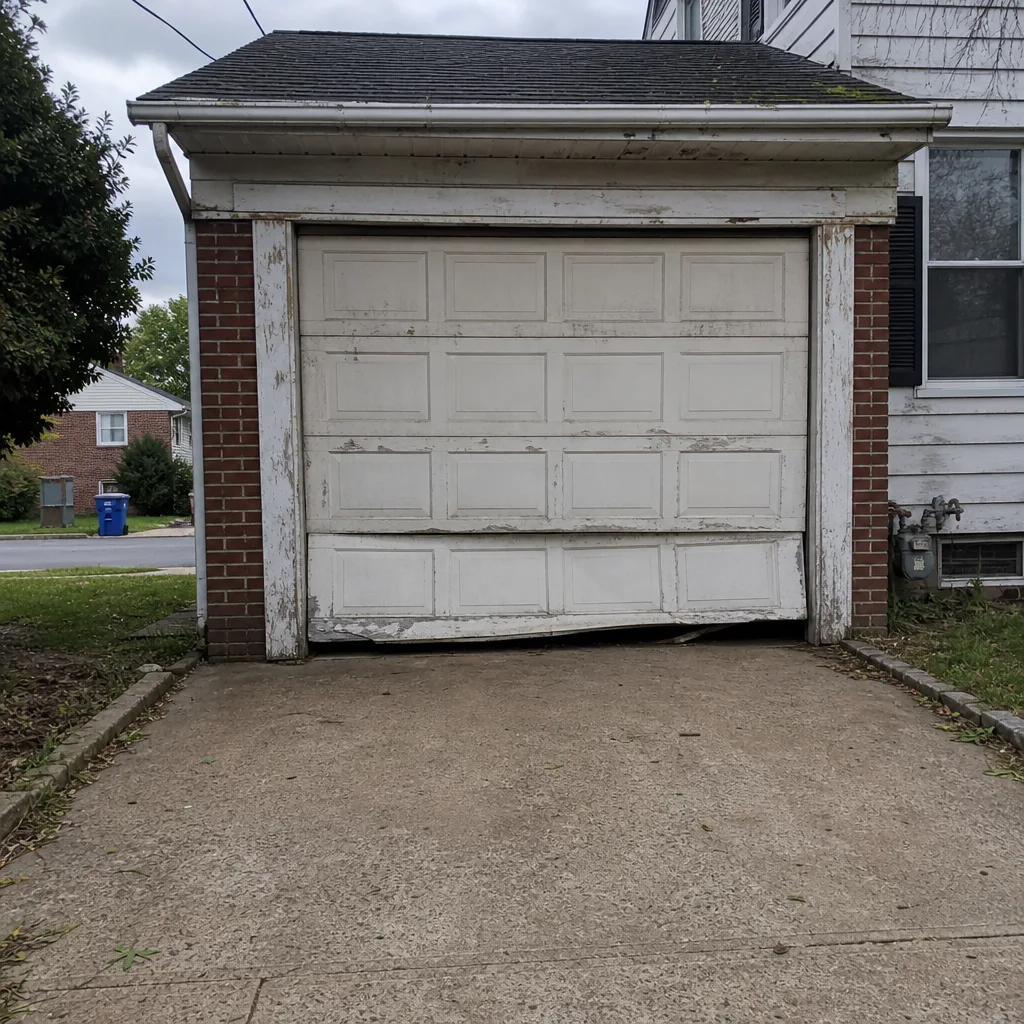 Before
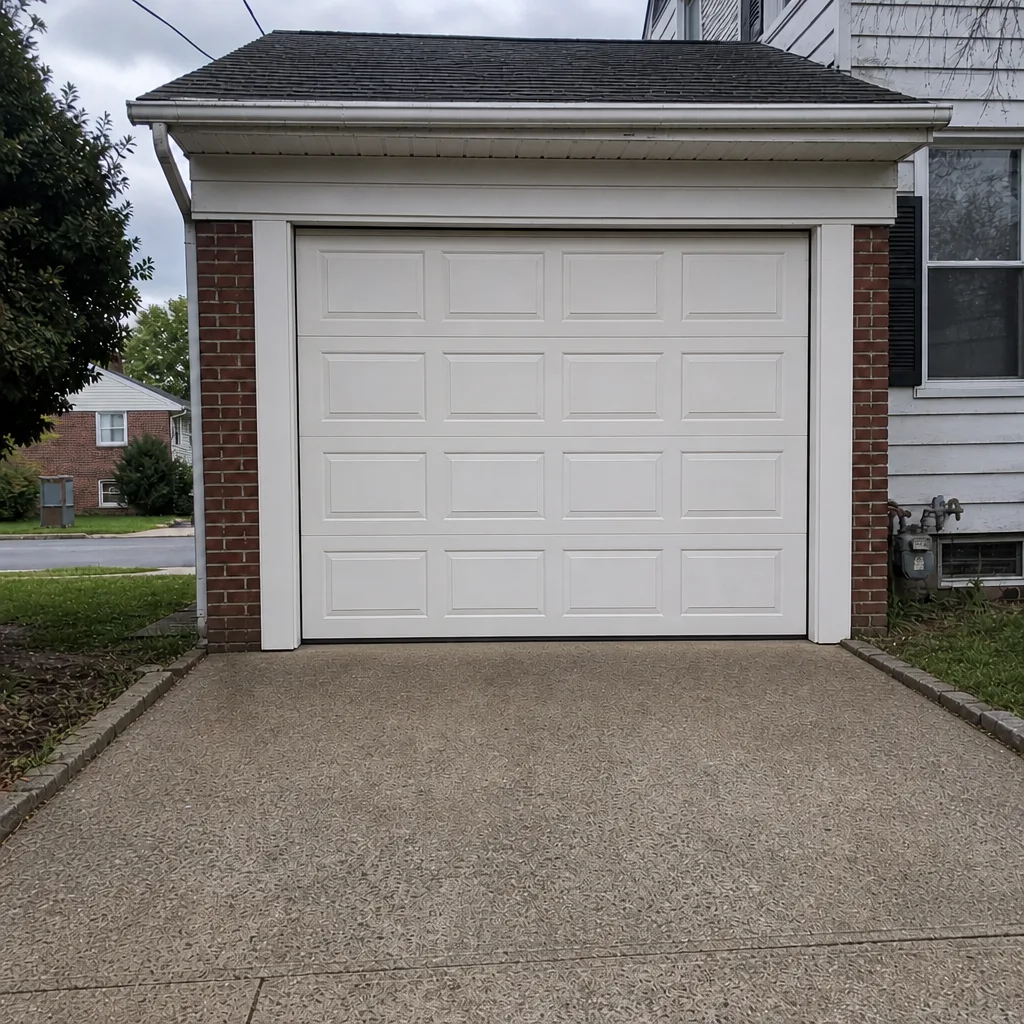 After
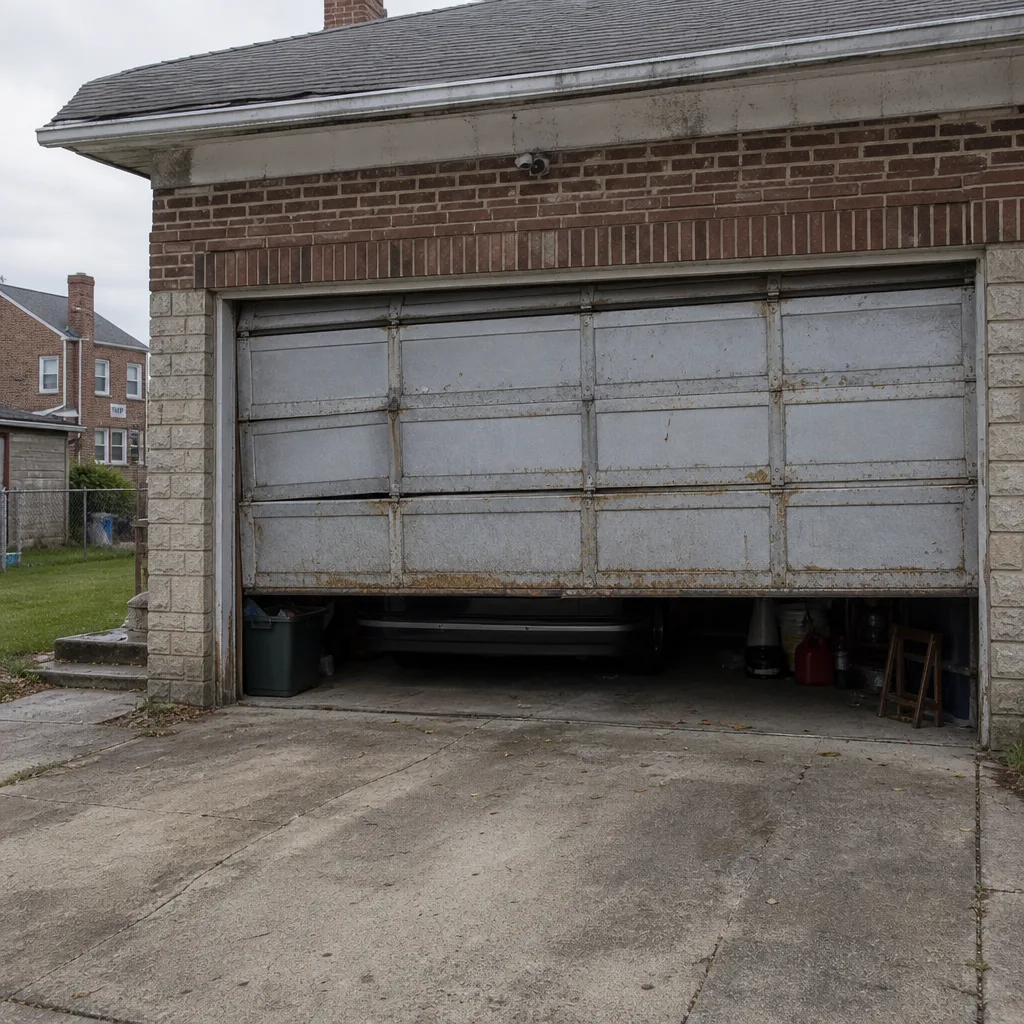 Before
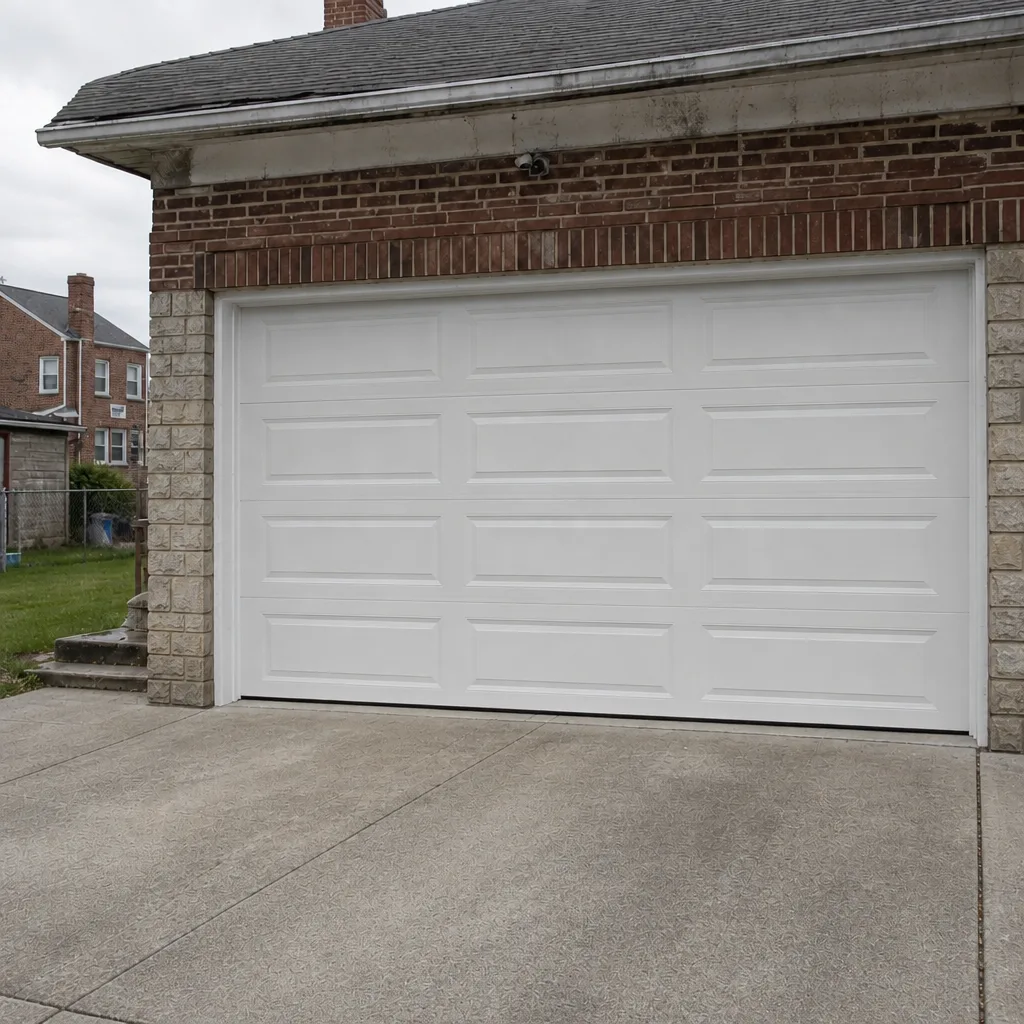 After
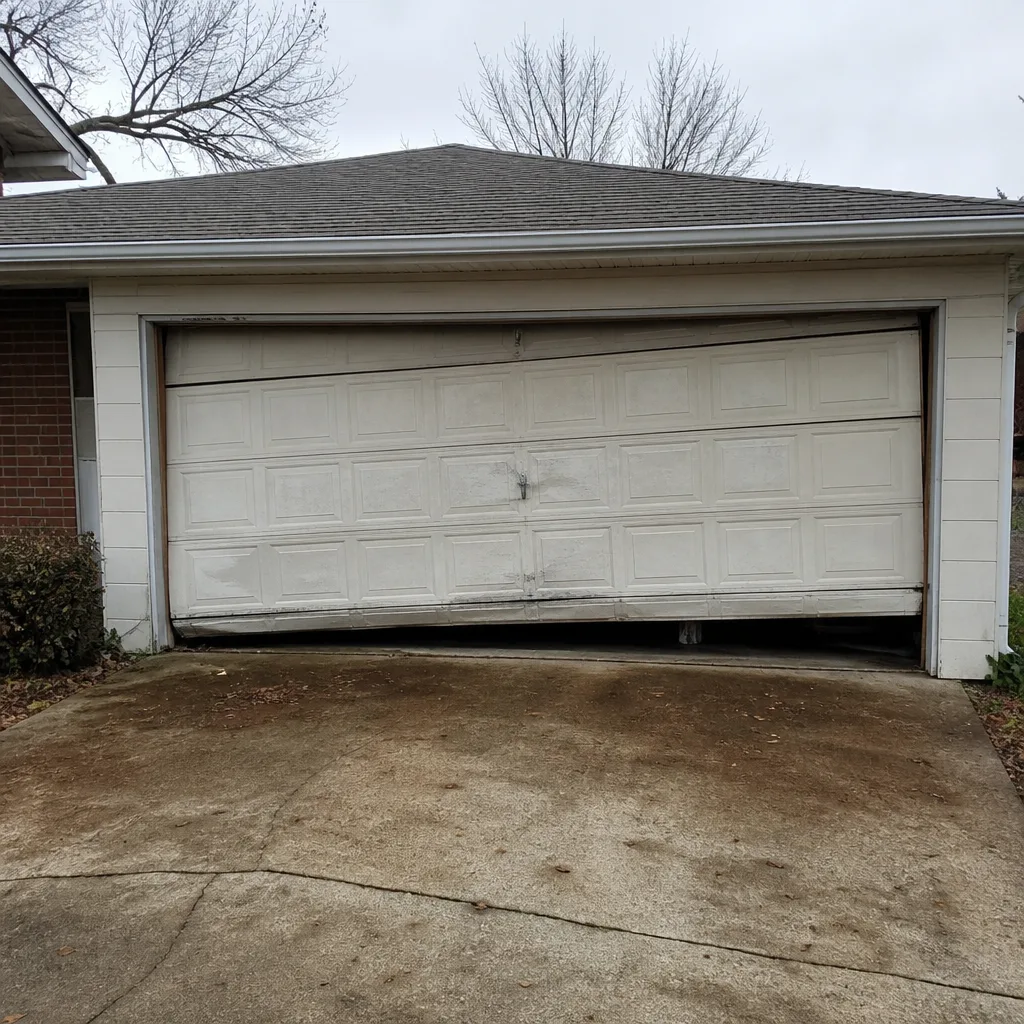 Before
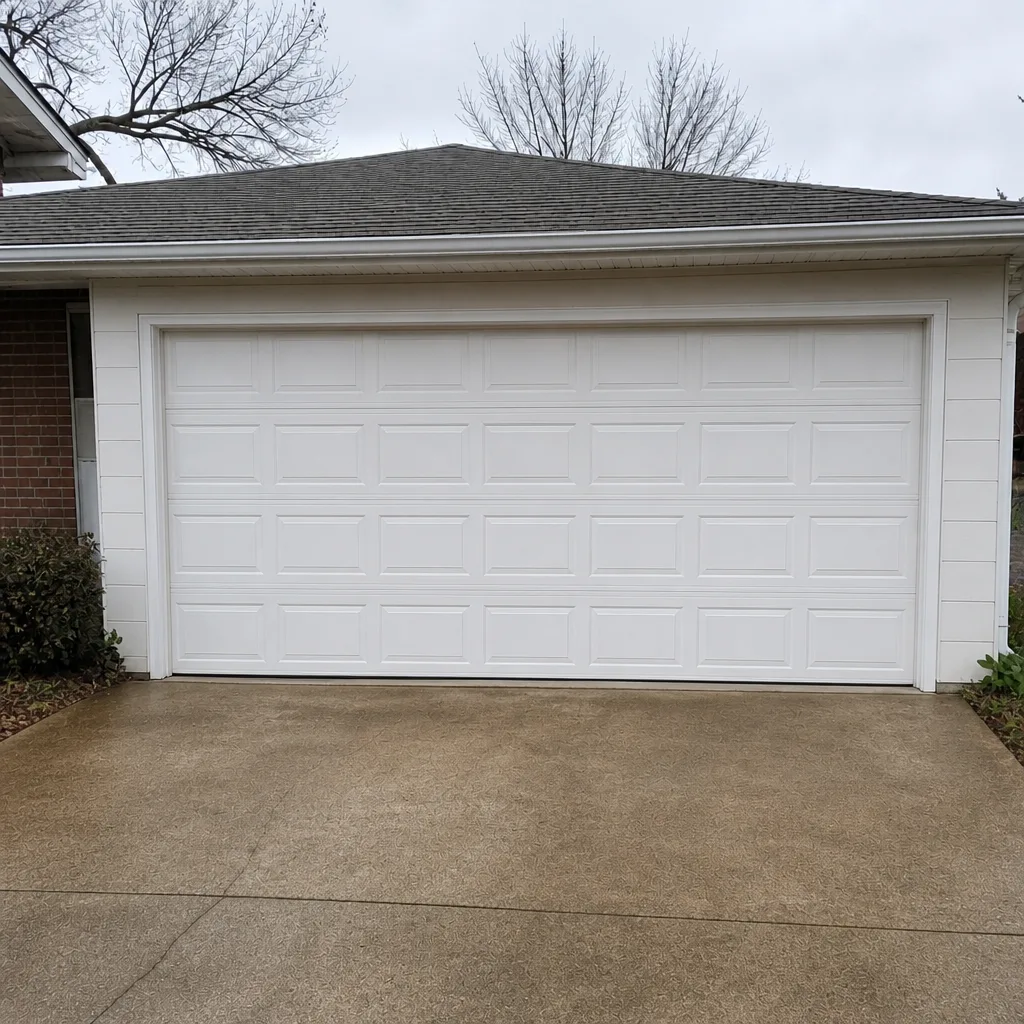 After
When to Call a Professional
Some garage door questions are paperwork questions, and some are physical. Call us when the door itself is the problem: a snapped spring, a door that won’t close all the way, an opener that reverses for no reason, or a door that’s off its track after a storm. Call us when you’re facing a full replacement and want a site measure and a written price before you commit. Call us when you’re planning a replacement and want to know whether the job is likely to need a permit, so you can plan the sequence. And call us when the opener is the failing component, because brand-specific diagnostics on a LiftMaster or Chamberlain board is faster than trial and error. Garage Door Repair Govans offers free estimates in Govans. Call (877) 378-7082, and we’ll tell you what the job actually requires.
Frequently Asked Questions
It depends on whether the work changes the opening. A like-for-like replacement (same size, same opening, no structural changes) generally doesn’t require a building permit in Baltimore City, but any change to the framing, header, or structural attachment usually does, and most historic overlay work needs design review first. Confirm with the Baltimore City permit office for your specific address before you order a door. Call (877) 378-7082 for a free estimate on the installation itself; estimates are free.
Yes, in many cases a homeowner can apply as the owner-builder, but the permit then puts the inspection responsibility on you, and the record shows the work as owner-built. If a contractor is doing the installation, the cleaner path is a contractor-pulled permit. Ask any contractor you’re considering whether they pull the permit and whether the permit fee is included in their bid. Call (877) 378-7082 if you want to talk through which path fits your job; estimates are free.
It may not cause a problem for years, but it can surface during a home sale, a title search, or an insurance claim, and at that point it becomes a retroactive permit issue with the door already on the wall. The fix is to contact the city’s permit office, find out what’s required to permit and inspect the existing installation, and complete the process. It’s easier to do it right the first time. Call (877) 378-7082 if you’re facing a replacement and want to plan the sequence correctly.
Search your address in Baltimore City’s online permit and inspection records and confirm the permit status shows as closed, not open or pending. If it shows open, call the contractor who pulled it and ask them to file the closeout and confirm in writing; a closeout that wasn’t filed is usually administrative. If the contractor won’t close it out, call the city’s permit office. Call (877) 378-7082 if you need the door itself assessed while you sort out the paperwork; estimates are free.
Yes, in some cases. Wind load requirements for a garage door depend on the door’s size and the building’s exposure, so a larger door or one on an exposed corner may need a higher wind rating than a smaller door in a sheltered spot. The rated spec has to match the opening, or the door can be rejected at inspection. Bring the spec sheet to the comparison. Call (877) 378-7082 and we can tell you which door models in the lines we work with meet the requirement for your opening.
Usually not. Spring replacement is a repair to an existing door and generally doesn’t trigger a building permit, though it’s worth confirming with the city if any framing is involved. What matters more is that the work is done correctly: torsion springs are under high tension and can cause serious injury if they release unexpectedly, so this is a job for a trained professional, not a general handyman. If you’re facing spring work, call (877) 378-7082; estimates are free.
The Bottom Line
Permits are not the exciting part of a garage door project, but they’re the part that determines whether the job ages well. A like-for-like swap usually doesn’t need one, structural changes and opening modifications usually do, and an overlay zone can add design review before either applies. Contractor-pulled permits keep the inspection responsibility off your plate and the record clean. Wind load and energy code determine what door you can spec. And the closeout check is the step nobody remembers until a sale is on the line. Do those things in order and the paperwork takes care of itself. Skip them and the paperwork finds you later.
If you’re ready to talk through a door replacement, opener repair, or spring job in Govans, call Garage Door Repair Govans at (877) 378-7082 for a free estimate. We answer 24/7. Fast dispatch from 7am to 7pm, Sunday through Friday. Our technicians have up to 10 years of experience, work on the major brands you already have, and quote the price in writing before any work starts.
Written by the team at Garage Door Repair Govans.