
Last updated November 21, 2026
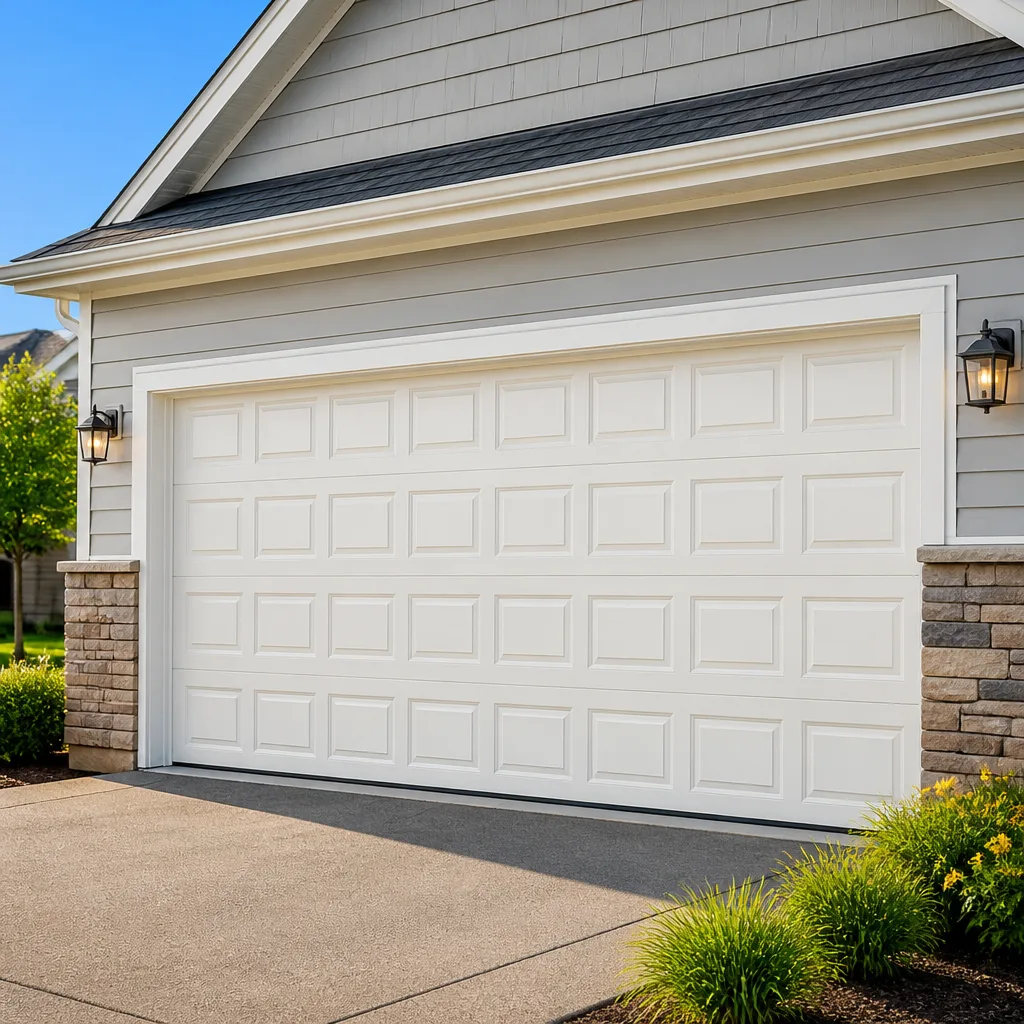 Raised-panel steel
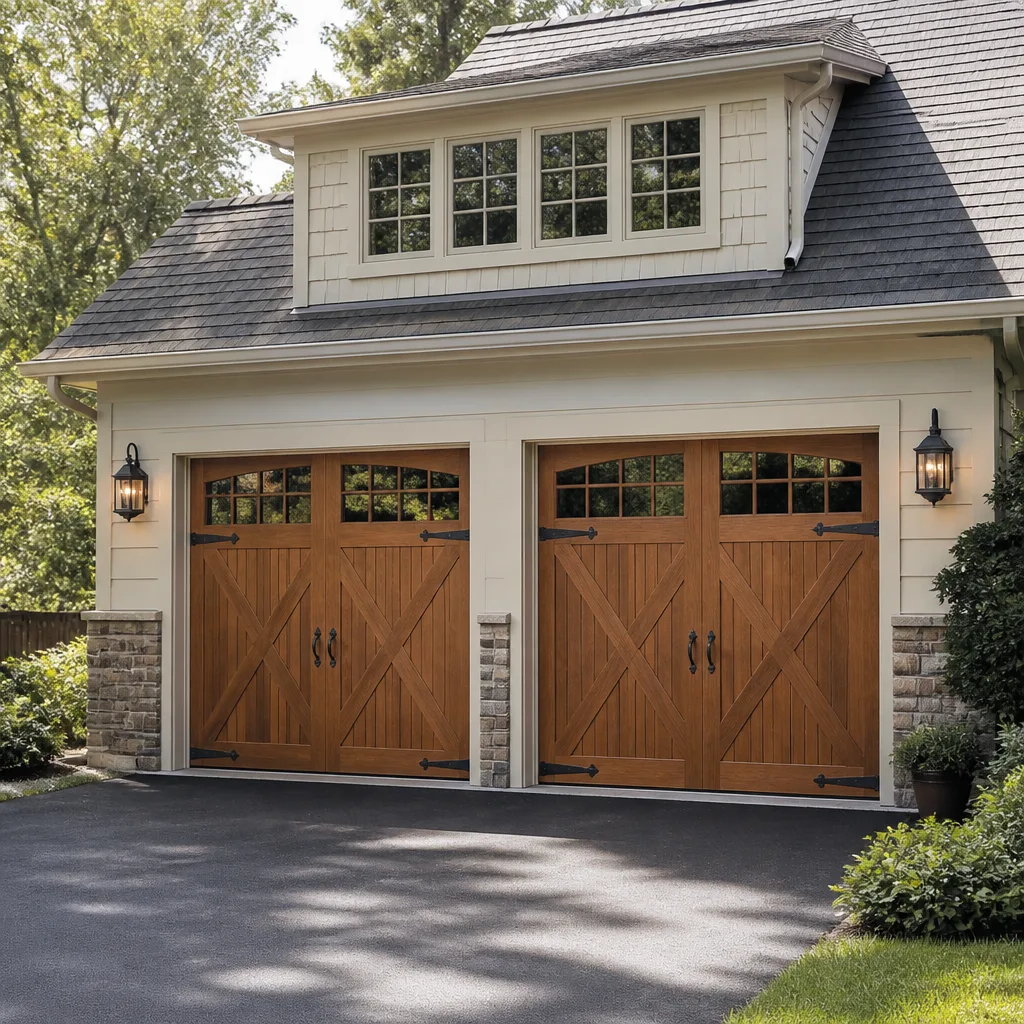 Carriage house
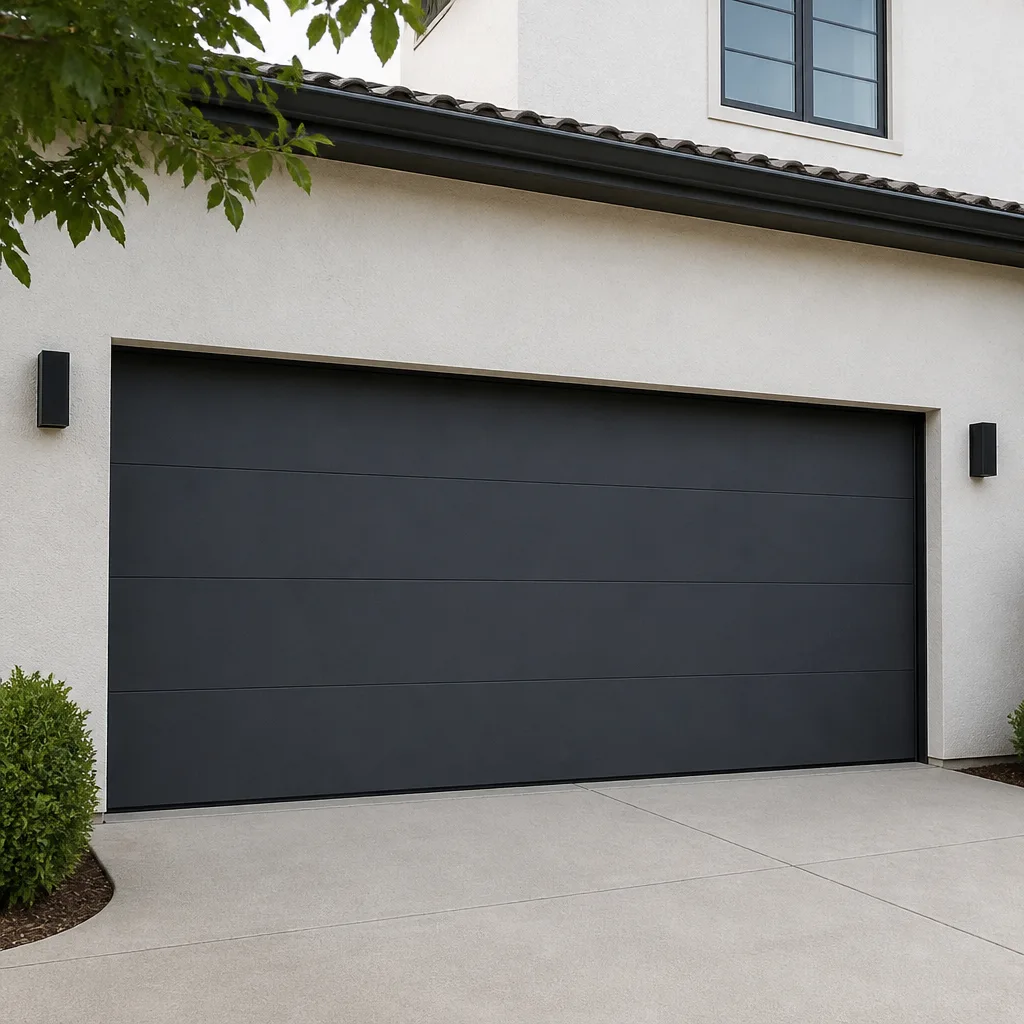 Modern flush
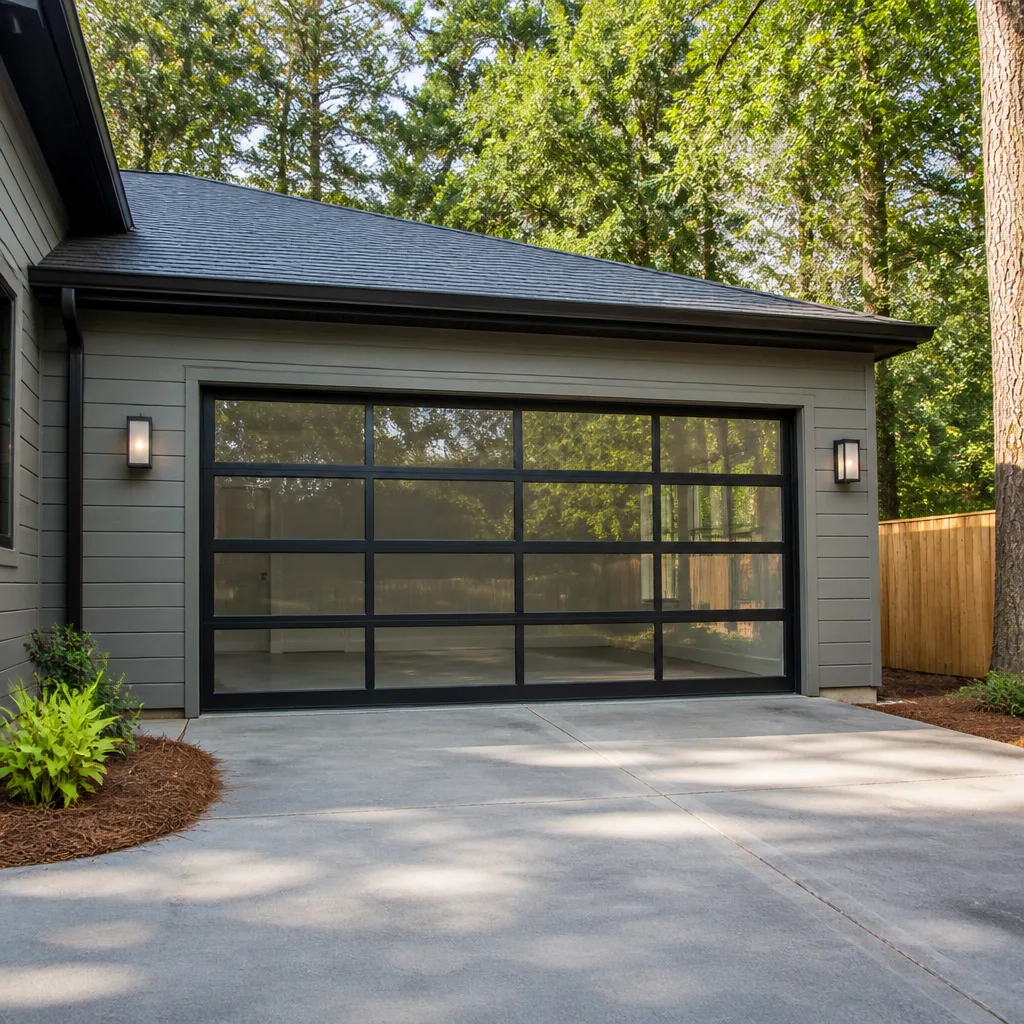 Full-view glass
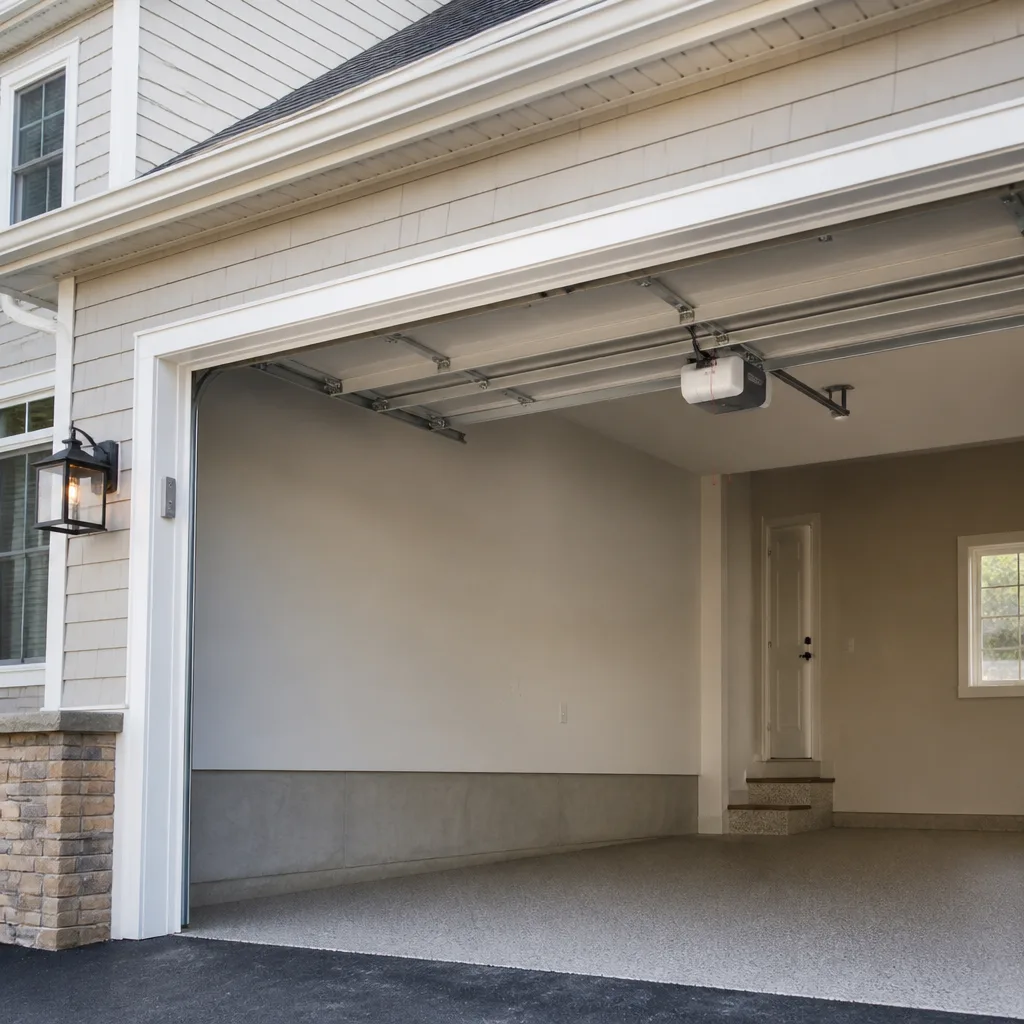 LiftMaster openers
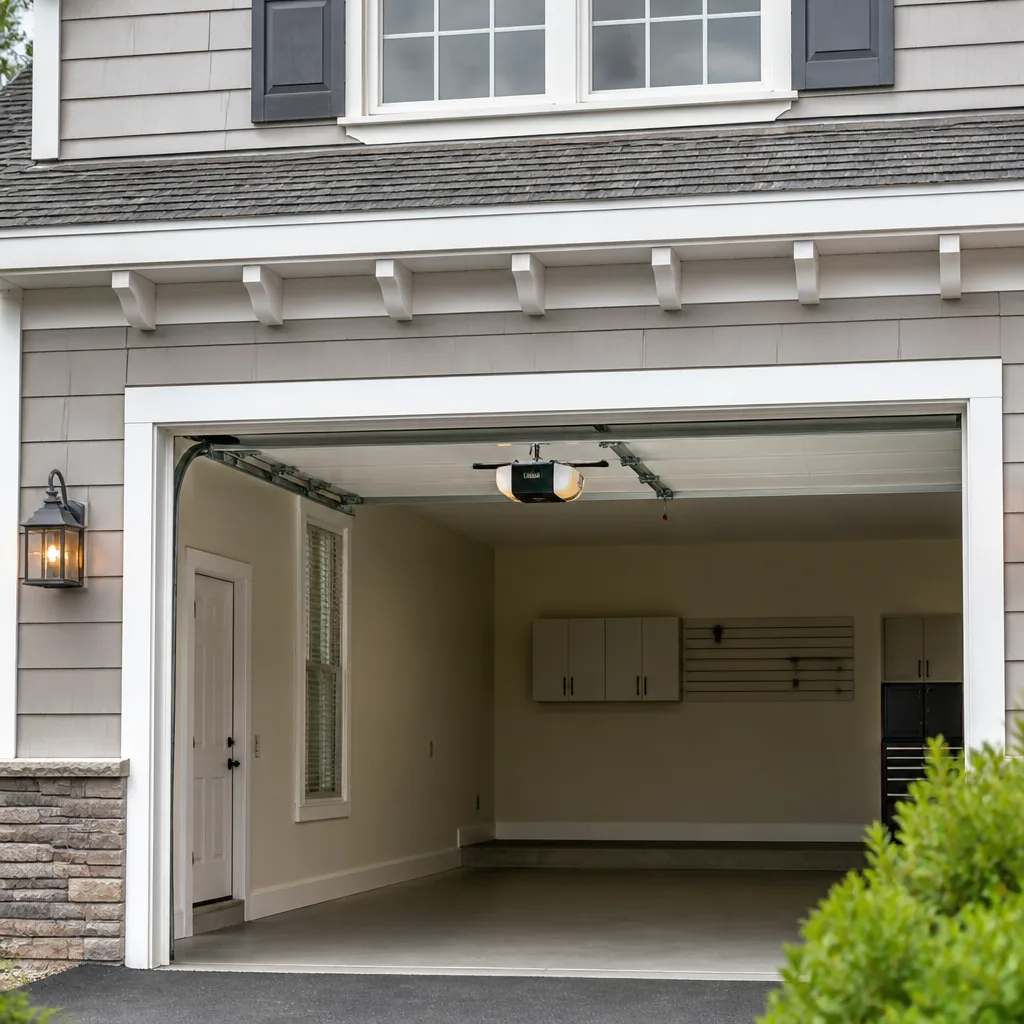 Chamberlain openers
Full 25-point door and opener safety check with every visit - springs, cables, rollers, tracks, and your LiftMaster or Chamberlain opener included
You get a price before we start. It does not change when the pro arrives.
Get your free estimateGarage Door Repair Troubleshooting in Govans: Common Problems and How to Fix Them
A garage door that reverses before it closes isn’t broken. In most Govans homes it’s a safety sensor that’s been nudged out of alignment, or a lens clouded by the pollen and grit that blows through the blocks here every spring. That’s a fix measured in minutes, not parts. Yet the same symptom can come from a failing spring system, and the difference matters a great deal. Most homeowners troubleshoot the symptom, not the mechanism, and end up paying for parts that were never the problem. This guide maps each common failure to the component actually causing it, flags which jobs are safe to handle yourself, and shows you when a Govans garage door problem needs a trained hand.
Quick Answer
Most garage door problems in Govans fall into four root-cause groups: a misaligned or dirty safety sensor, worn rollers or a dry hinge, an opener that’s out of travel limits or throwing a fault code, or a failing spring and cable system. The first three are safe to check yourself. The fourth is not, because torsion springs and cables hold stored tension that can cause serious injury, and those jobs belong with a professional. Matching the symptom to the group before you call saves you time and keeps you from replacing parts that still have life in them.
Styles & brands we work with
- Raised-panel steel
- Carriage house
- Modern flush
- Full-view glass
- LiftMaster openers
- Chamberlain openers
Table of Contents
- Symptom-to-Cause Map: What Your Door Is Telling You
- Door Reverses or Won’t Close: Sensor and Safety System Checks
- Grinding, Squealing and Bouncing: Rollers, Hinges and Tracks
- Opener Error Codes and Travel Limits, Brand by Brand
- When a Small Problem Signals a Failing Spring
- How Baltimore-Area Weather Wears on Your Door
- What’s Safe to Do Yourself and What Isn’t
- What Garage Door Repair Costs in Govans
- Common Mistakes to Avoid
- When to Call a Professional
- Frequently Asked Questions
Symptom-to-Cause Map: What Your Door Is Telling You
A garage door is a system, and every symptom traces back to one component. Treat the noise or the gap as a message rather than a diagnosis. Here’s how we map the most common Govans complaints before anyone touches a tool.
- Door reverses a few inches off the ground: safety sensors out of alignment, obstructed, or wired loose at the bracket.
- Door reverses immediately on the way down: travel limit set too far, or a worn bottom seal triggering the contact reversal.
- Grinding or scraping: worn steel rollers, a dry hinge, or a track that’s been knocked out of plumb.
- Door bounces at the floor then rises: limit switch overshooting, or a torsion spring losing tension.
- Slow, labored opening: failing spring system carrying weight the opener was never meant to lift, or a tired opener motor.
- Door hangs crooked with one side low: broken spring on one side, or a cable that’s come off its drum.
- Loud bang from the garage then nothing works: torsion spring has broken. Stop operating the door.
Two symptoms often get misread together: a bouncing door and a slow door. A bounce is usually about travel limits. Slowness is usually about weight, and weight means the spring system. That single distinction is where most Govans troubleshooting goes wrong, and it’s the one we check first. When the door won’t move at all, that’s a different situation, and it’s worth reading our guide to Garage Door Repair Govans for the emergency path.
Door Reverses or Won’t Close: Sensor and Safety System Checks
If your door reverses before it closes, start with the two photo-eye sensors mounted at the base of the tracks. They’re the most common failure point on any modern door and the cheapest to resolve. A 90-second alignment or wipe-down fixes more reversal complaints than any other single action.
- Look at both sensor lenses. Each should show a steady indicator light. If one is dark or flickering, it’s lost its pairing with the other.
- Wipe the lenses. Pollen, dust and spider webs scatter the infrared beam. A dry cloth usually restores the connection.
- Check alignment. The two eyes should point directly at each other. If a bracket got bumped by a trash can or a bicycle, nudge it back until both lights are steady.
- Clear the path. A folded newspaper or a leaning broom handle in the beam will read as an obstruction.
- Inspect the wiring. Look for a loose wire at the sensor bracket or a staple that’s cut through the low-voltage line along the wall.
If both lights are steady and the door still reverses, the problem is likely above your head rather than at the floor. In our experience the next suspects are the travel limits and the force settings, which we’ll cover under opener diagnostics. Never disable the sensors to force a door closed. They’re the safety barrier that stops a closing door on a child or a pet, and bypassing them is how preventable injuries happen.
Grinding, Squealing and Bouncing: Rollers, Hinges and Tracks
Noise is the easiest symptom to trace because it points to moving parts. Grinding on a Govans door usually comes from one of three places: steel rollers that have lost their bearings, hinges that have gone dry, or a track that’s out of plumb. Each one is a straightforward repair, and none of them require touching the spring system.
Rollers. Standard steel rollers wear flat spots and start to rumble. Nylon rollers run quieter but can crack in cold snaps. When a door grinds on every cycle, listen for whether the noise travels with the panels or stays fixed at a hinge point. That tells you which to replace.
Hinges and springs. A dry hinge squeals like a rusty gate. A light application of a garage-door-rated lubricant on the hinge pivots, roller stems and the torsion bar bearings quiets most doors noticeably. Don’t spray lubricant on the tracks. They should stay clean and dry, because grease on a track collects grit and turns into a grinding paste.
Tracks. Bouncing or a shudder as the door travels usually means a track has been knocked out of alignment. You can check plumb with a level against the vertical section and look for dents at the curve. Rail dents should be replaced, not hammered straight, because a true track is what keeps the rollers seated and the door from jumping.
Bouncing at the floor. If the door bounces back up after contact, look at the opener’s travel limit first, not the track. Overshooting the limit sends the door down too far, and the reversal is the safety system doing its job.
Opener Error Codes and Travel Limits, Brand by Brand
Opener faults are where brand-specific knowledge pays off, and where generic troubleshooting fails. Each manufacturer uses its own code logic, and reading a Chamberlain code the way you’d read a Genie code wastes time. Our technicians are trained across LiftMaster, Chamberlain, Genie and Craftsman systems, including the Wi-Fi and app-connected units that now dominate Govans homes.
LiftMaster and Chamberlain. These two share a platform, so their diagnostic behavior is nearly identical. A flashing light pattern on the motor housing counts out a code. The most common failures we see are sensor faults (four flashes), which ties back to the alignment checks above, and travel or force faults (five or six flashes), which usually need a limit reset or a mechanical adjustment.
Genie. Genie openers often communicate through LED blinks on the power head or through their app. A door that opens but won’t close, with a short blink pattern, is usually a sensor or photo-eye fault. Repeated force-sensor trips often mean the door has gotten heavier than the opener can safely lift, which is a spring problem rather than an opener problem.
Craftsman. Older Craftsman units use a similar blink-code convention, and their limit switches are mechanical rather than digital. A door that stops halfway down usually needs the down limit adjusted in small increments until the door meets the floor squarely.
Wayne Dalton and Raynor doors occasionally pair with openers that have their own quirk in travel calibration, so knowing which manufacturer built the door helps. If the code points to the board, we can test and replace it rather than swapping the whole unit. Our garage door opener repair page covers the diagnostics in more depth.
When a Small Problem Signals a Failing Spring
A heavy door, a bounce, a slow open and a slight crookedness can all be the same problem: a torsion spring system losing tension. Springs don’t fail gradually in a way you can watch. They work, then they break, and the weeks before they break feel like a door that’s suddenly harder to lift. That heaviness is the warning sign.
Check these before you assume the opener is at fault:
- Lift the door by hand with the opener disengaged (using the manual release cord). A properly balanced door should rise easily and stay put halfway up. If it takes two hands and drops, the springs are the problem.
- Listen for the bang. A torsion spring breaking sounds like a gunshot from inside the garage. After it breaks, the door becomes dangerously heavy and the opener will strain or stop.
- Look at the spring coil. From a safe distance at eye level, a broken torsion spring shows a visible gap in the coil. Don’t reach up to check it. Look only.
- Watch for a crooked door. One side low or a gap along one edge often means a spring or cable on that side has failed.
This is the point where troubleshooting stops and a professional call starts. Torsion springs, extension springs and the cables that wind around the drums are under high tension. A spring under load can release with enough force to break bones, and adjusting a cable drum without the right winding bars is genuinely dangerous. We list spring repair as a front-line specialty for exactly that reason. If you take one thing from this guide, take this: a failing spring is never a DIY job.
How Baltimore-Area Weather Wears on Your Door
Govans sits in a climate that swings hard between summer humidity and winter freezes, and those swings show up in garage door hardware. The freeze-thaw cycles that hit the Baltimore area every winter are the single biggest driver of wear we see in this neighborhood, and they cause a specific pattern of failures.
Bottom seals. The rubber or vinyl bottom seal takes the most punishment. Freezing nights stiffen it, warm days soften it, and over a few seasons it cracks and stops sealing. A failed seal lets in cold air, water and the occasional curious pest, and it also affects how the door meets the floor. If your door reverses on contact with the floor, a hardened seal is a legitimate suspect.
Rollers and hinges. Winter cold thickens lubricant, and summer humidity lets grit stick to it. In Govans, rollers on the sun-facing side of a garage often wear first because that metal cycles through more expansion and contraction. Squealing that appears only in cold weather is usually a lubrication or bearing issue rather than a structural one.
Track movement. Ground that shifts through freeze-thaw can push a track out of plumb. If your door binds at one specific point on the way up and runs smooth the rest of the way, look at the track brackets before you blame the opener.
Wooden door panels. Older wooden doors in Govans homes absorb humidity and swell, which can cause binding at the edges. Wayne Dalton and Amarr steel doors handle this better, but no door is immune to the seasonal swing.
The practical takeaway is to check your door’s balance and seal once in the fall and once in the spring. Most of the premature failure we diagnose in Govans traces back to a door that went into a freeze or a humid stretch with a worn seal and dry hinges.
What’s Safe to Do Yourself and What Isn’t
Some garage door problems are genuinely homeowner territory, and some are the kind of job that puts people in the emergency room. The line isn’t about difficulty. It’s about stored energy and electrical risk.
Safe to handle yourself:
- Wiping and realigning the photo-eye sensors.
- Testing door balance by hand with the opener released.
- Lubricating hinges, rollers and the torsion bar bearings with a garage-door-rated product.
- Clearing obstructions from the door path and the sensor beam.
- Adjusting the opener’s travel limit on most residential units, following the manufacturer’s manual precisely.
- Replacing a bottom seal on a door where the brackets are accessible.
Not safe to handle yourself:
- Any work on torsion springs, extension springs or the cables and drums that pair with them.
- Replacing a cable that’s come off its drum.
- Removing or adjusting a track that’s come loose from its brackets under load.
- Opening the opener’s electrical housing or working on the wiring.
- Anything that requires the door to be held open with the springs under tension.
The line runs between “the door is heavy but the springs are intact” and “the springs are involved.” If a job means touching a spring, a cable or a drum, it’s a professional job. Our technicians have up to 10 years of experience and the specialized winding tools these jobs require, and the local pro we connect you with is licensed and insured as their state requires.
What Garage Door Repair Costs in Govans
Garage door repair in Govans typically runs from the low end for a sensor alignment or a hinge replacement up to several hundred dollars for a spring replacement or an opener board swap. The exact number depends on the part, the brand and how much of the system needs attention. Below are typical ranges for the most common jobs, so you can budget before you call.
| Repair | Typical Estimated Range |
|---|---|
| Safety sensor alignment or replacement | $80 – $150 |
| Roller or hinge replacement | $120 – $250 |
| Bottom seal replacement | $120 – $220 |
| Track realignment or bracket repair | $150 – $300 |
| Opener repair (board, capacitor, sensor module) | $150 – $350 |
| Torsion spring replacement, single spring | $180 – $340 |
| Torsion spring replacement, matched pair | $360 – $680 |
| Cable and drum replacement | $180 – $350 |
Those are estimated ranges, not quotes. A single spring is priced per spring, and matched pairs almost always get replaced together, so expect roughly double the single-spring figure when both go. The final price is set by the written estimate the technician gives you before any work starts. Nothing gets added after the fact because a job turned out to take longer, and we quote the work and agree on the price before the first tool comes out. Every estimate is free.
If you’re weighing repair against replacement, our garage door repair page breaks down the decision points, and garage door installation covers what a new door and opener package involves when repair stops making sense.
Common Mistakes to Avoid
- Replacing the opener when the door is heavy. If a door is hard to lift by hand, the opener is doing the work the springs should do. A new opener on a failing spring just wears out faster.
- Greasing the tracks. Tracks should stay clean and dry. Grease collects grit, and grit turns into grinding paste that wears rollers flat.
- Disabling the safety sensors to close the door. This is the most dangerous shortcut in garage door troubleshooting and it defeats the one feature that stops a closing door on a child or a pet.
- Hammering a bent track straight. A true track is what keeps the rollers seated. A hammered track is out of tolerance, and the door will find the weak point on a windy day.
- Forcing a broken door up or down. Once a spring has snapped, the door can fall. Leave it, and keep the children and pets out of the garage until it’s repaired.
- Assuming a code means the board is dead. Most opener error codes point to sensors or limits rather than the control board. Code-reading is cheaper than board replacement, and a brand-specific diagnostic gets you there faster.
- Buying parts before the diagnosis. A roller kit won’t fix a spring, and a spring kit doesn’t belong in homeowners’ hands. Diagnose first, then order.
When to Call a Professional
Call a professional when the symptom involves a spring, a cable, a drum, a track under load or the opener’s electrical components. Call us sooner if the door is stuck open overnight, if the door has come off its track, or if the door has fallen and the opener is still trying to run it. Any of those are reasons to stop operating the door and get a trained technician to it.
We answer 24/7 and dispatch fast from 7am to 7pm, Sunday through Friday. Garage Door Repair Govans offers free estimates in Govans, and our technicians have up to 10 years of experience across LiftMaster, Chamberlain, Genie, Clopay, Amarr, Wayne Dalton, Craftsman and Raynor equipment. Call (877) 378-7082 for a free estimate.
Frequently Asked Questions
Almost always because the safety sensors at the base of the tracks are misaligned, dirty or obstructed. Wipe both lenses and check that each shows a steady indicator light. If both are lit and aligned and the door still reverses, the cause is usually the opener’s travel limit or force setting, and that’s worth a diagnostic call. Call (877) 378-7082 for an exact quote; estimates are free.
Torsion spring replacement in Govans typically runs $180 to $340 for a single spring and roughly double that for a matched pair, since pairs are almost always replaced together. The written estimate sets the final price, and it’s agreed before any work starts. Call (877) 378-7082 for an exact quote; estimates are free.
Yes, for repair and emergency calls. We answer 24/7 and dispatch fast from 7am to 7pm, Sunday through Friday, and same-day service is common for the failures we handle in Govans. A call outside dispatch hours is booked into the next opening, Sunday through Friday, 7am to 7pm.
No. The technician diagnoses the problem and gives you a written estimate before any work begins. You agree on the number, and that’s the price. If the diagnosis changes once the door is open and the full system is visible, you’ll hear about it before anything is done, not on the invoice.
No. Torsion and extension springs hold stored tension that can release with enough force to cause serious injury, and the cables and drums add a second layer of risk. Spring, cable and drum work is a professional job. Sensor alignment, lubrication and balance checks are fine to do yourself.
The blink count corresponds to a fault category: sensor faults, travel limit faults and force faults are the most common. Four blinks on a LiftMaster or Chamberlain unit usually points to the photo-eye sensors. Our technicians decode error codes for LiftMaster, Chamberlain, Genie and Craftsman units as part of the diagnostic. Call (877) 378-7082 for an exact quote; estimates are free.
The Bottom Line
Most garage door problems in Govans aren’t mysterious once you trace the symptom to the system behind it. A reversing door is usually a sensor. Grinding is usually rollers, hinges or a track. A door that’s suddenly heavy is usually a spring on its way out. Know which group you’re in before you call, and you’ll avoid replacing parts that were never broken. Handle the sensor checks and lubrication yourself, leave the springs and cables to a trained technician, and get a written price before anyone starts. It’s a straightforward system, and it rewards being read correctly.
Written by the team at Garage Door Repair Govans.
See the difference
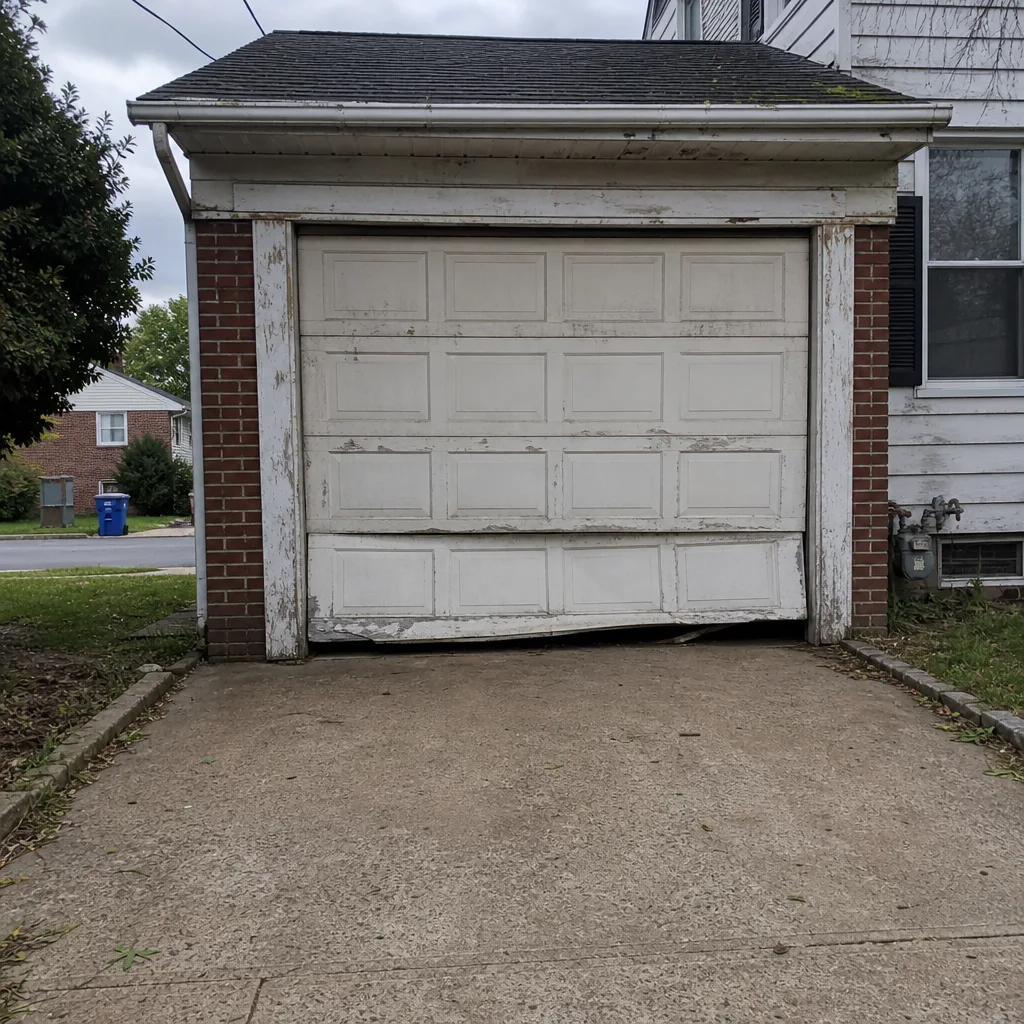 Before
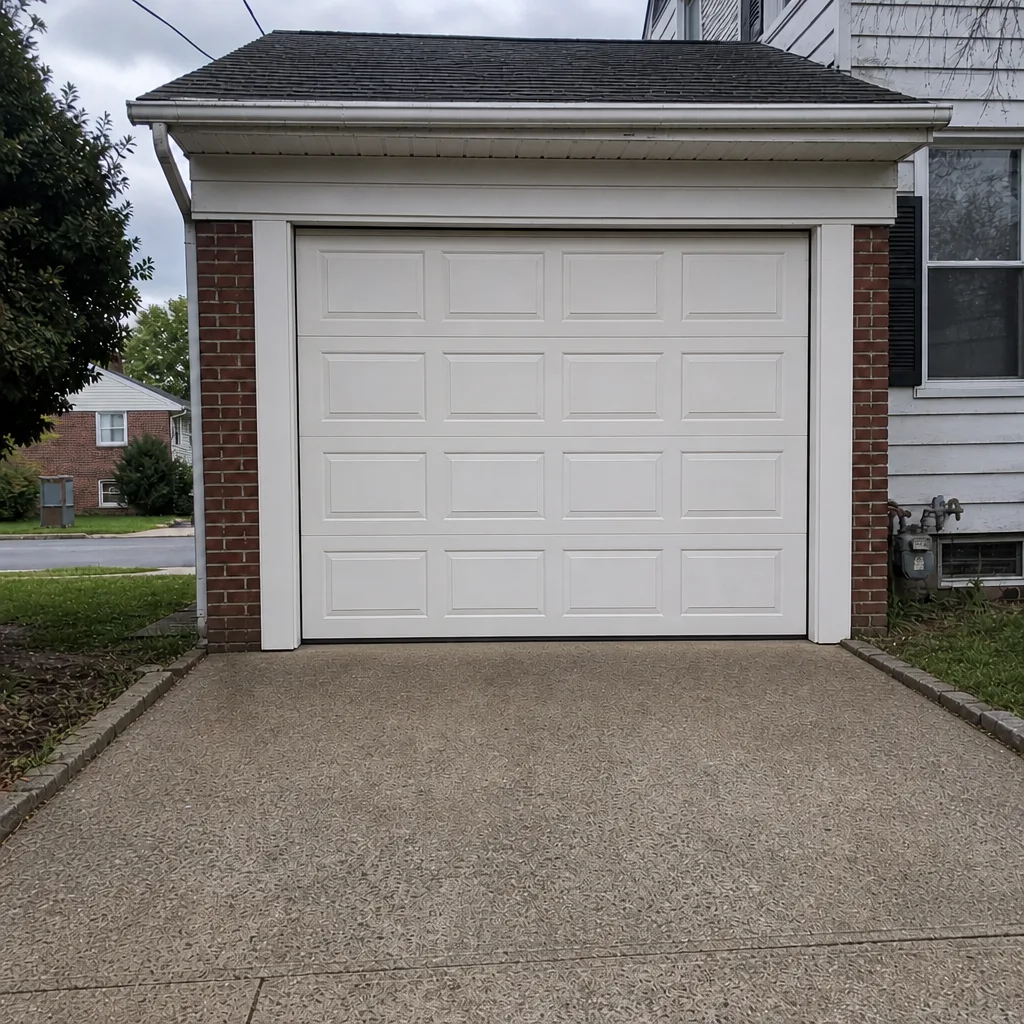 After
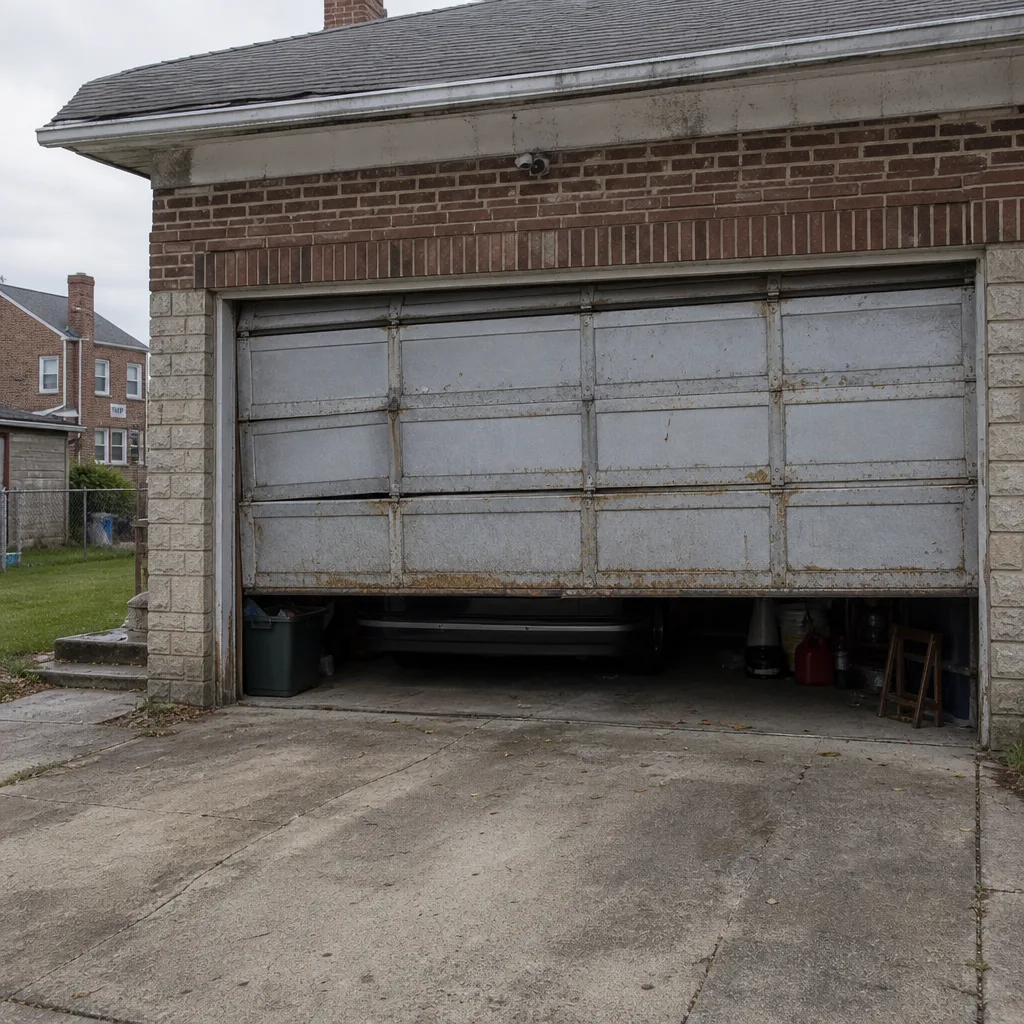 Before
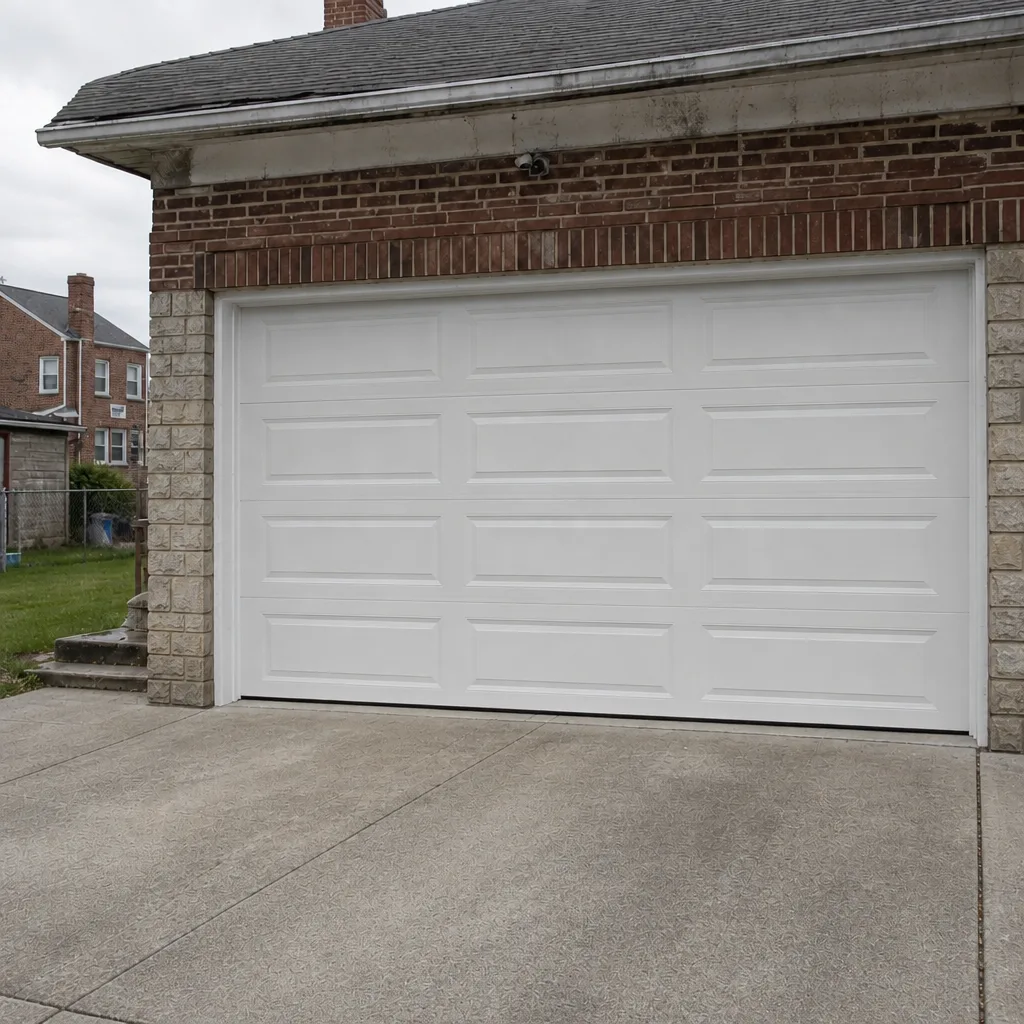 After
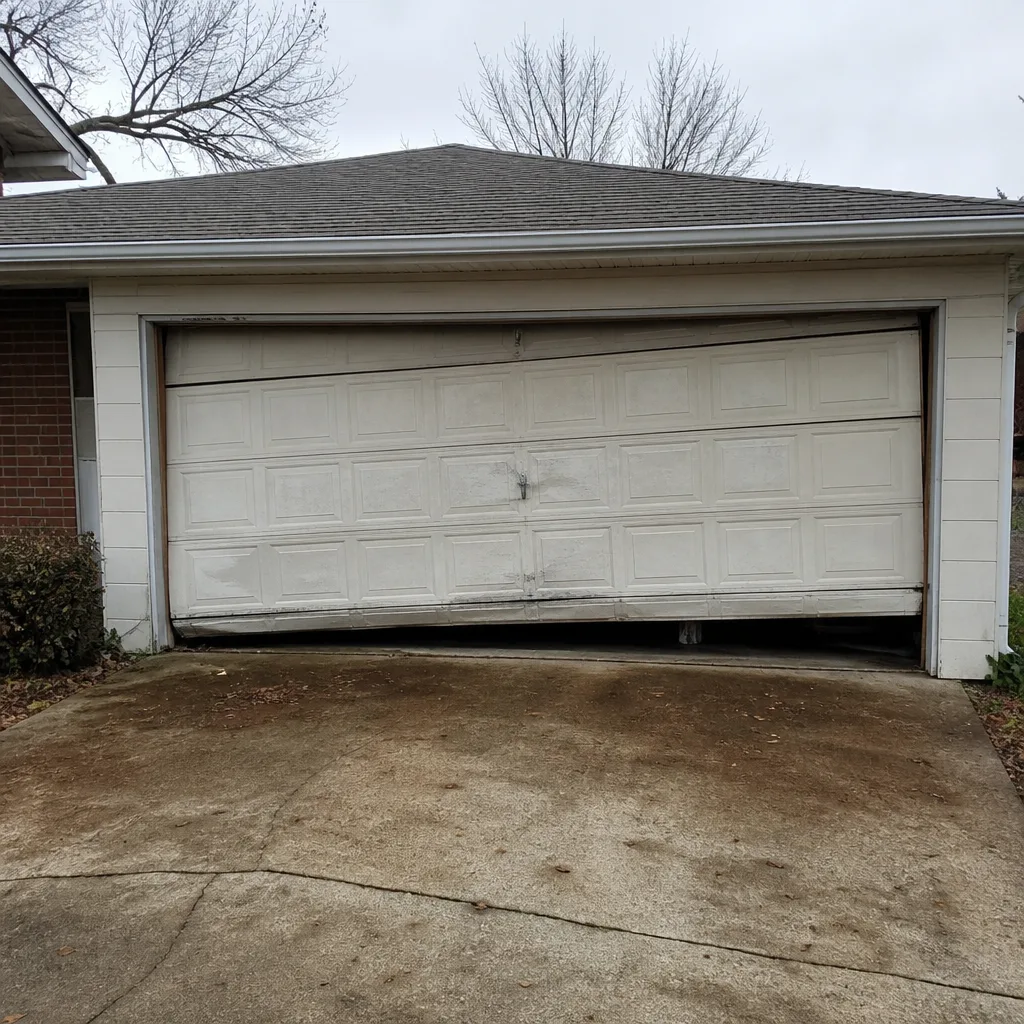 Before
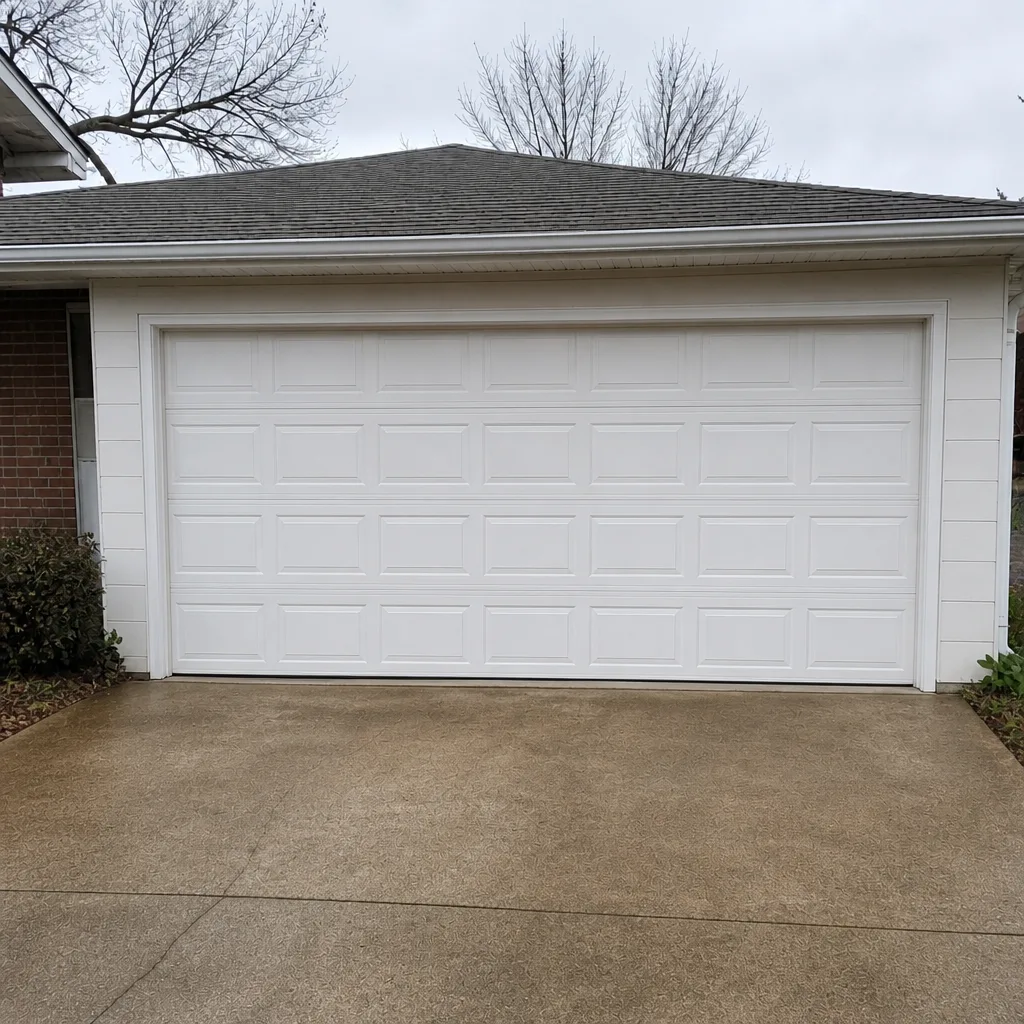 After