
Last updated November 21, 2026
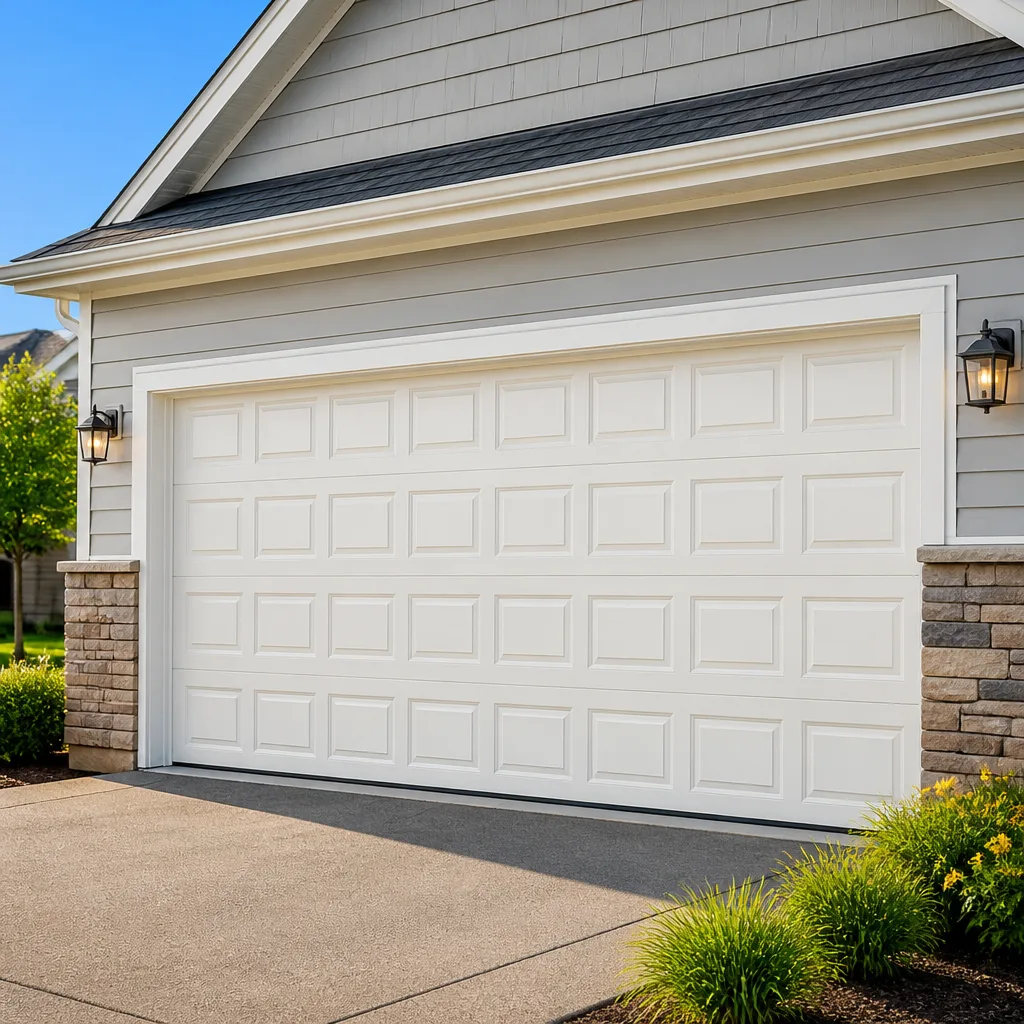 Raised-panel steel
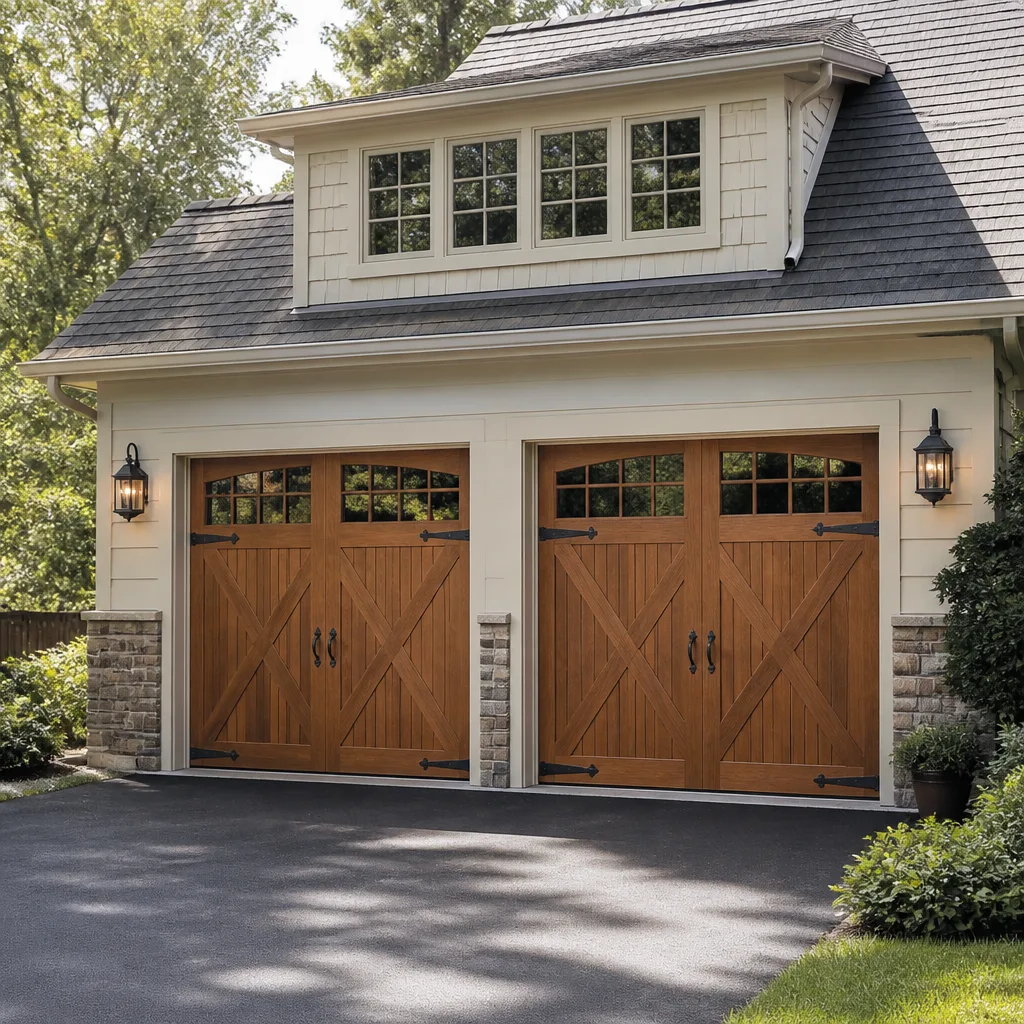 Carriage house
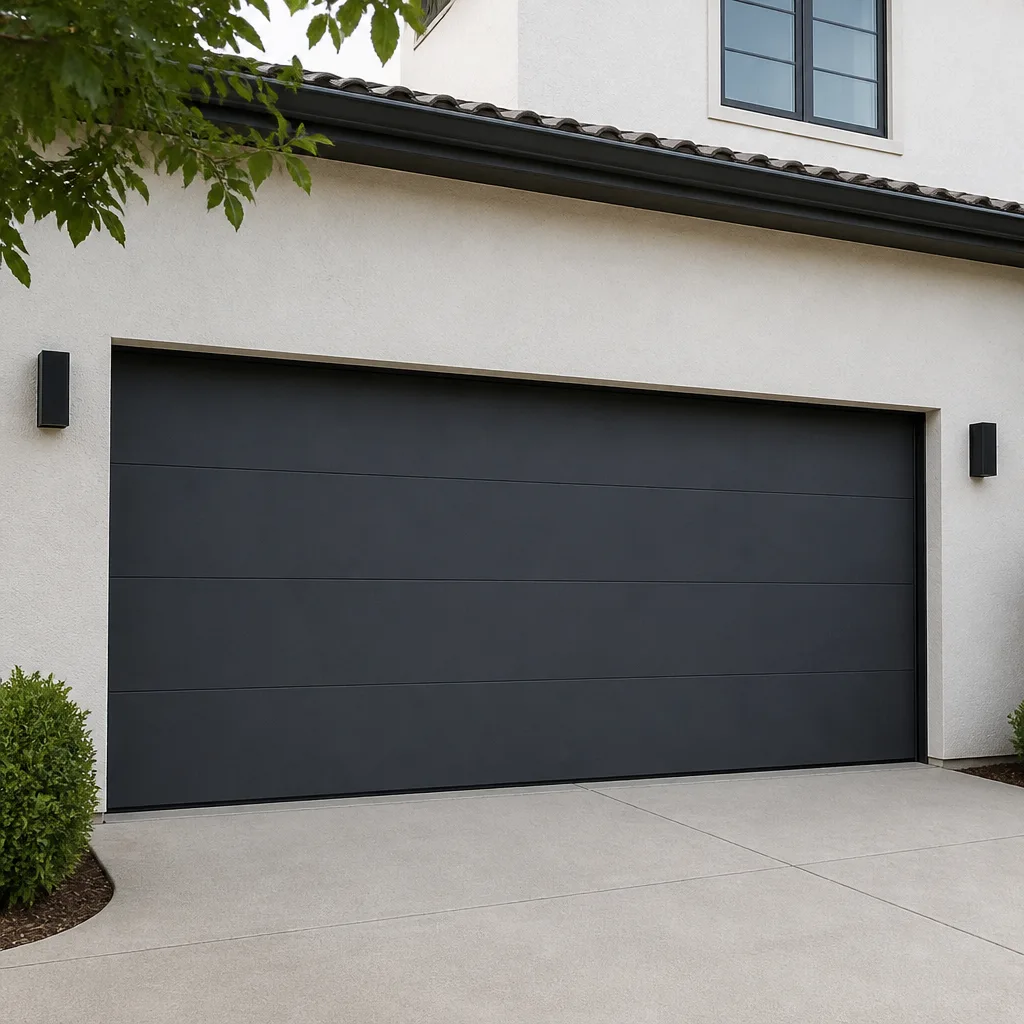 Modern flush
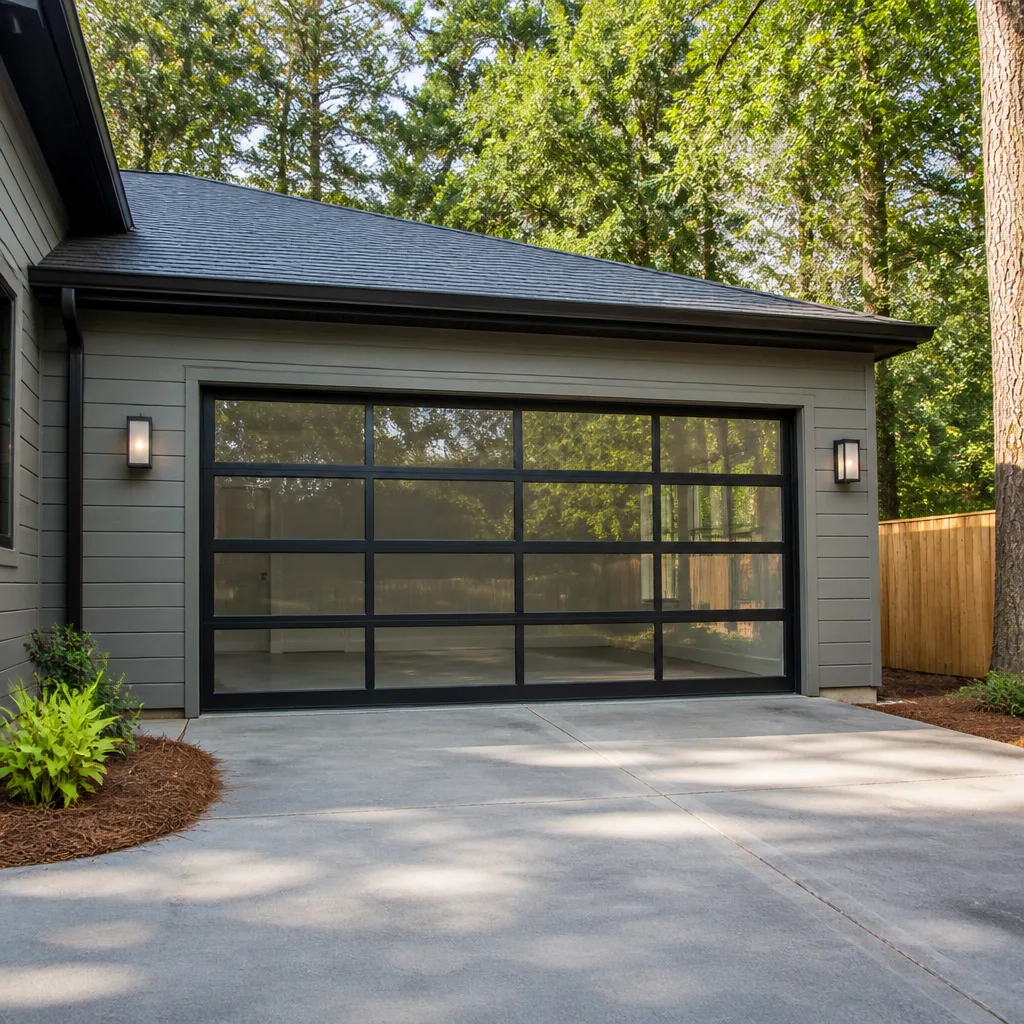 Full-view glass
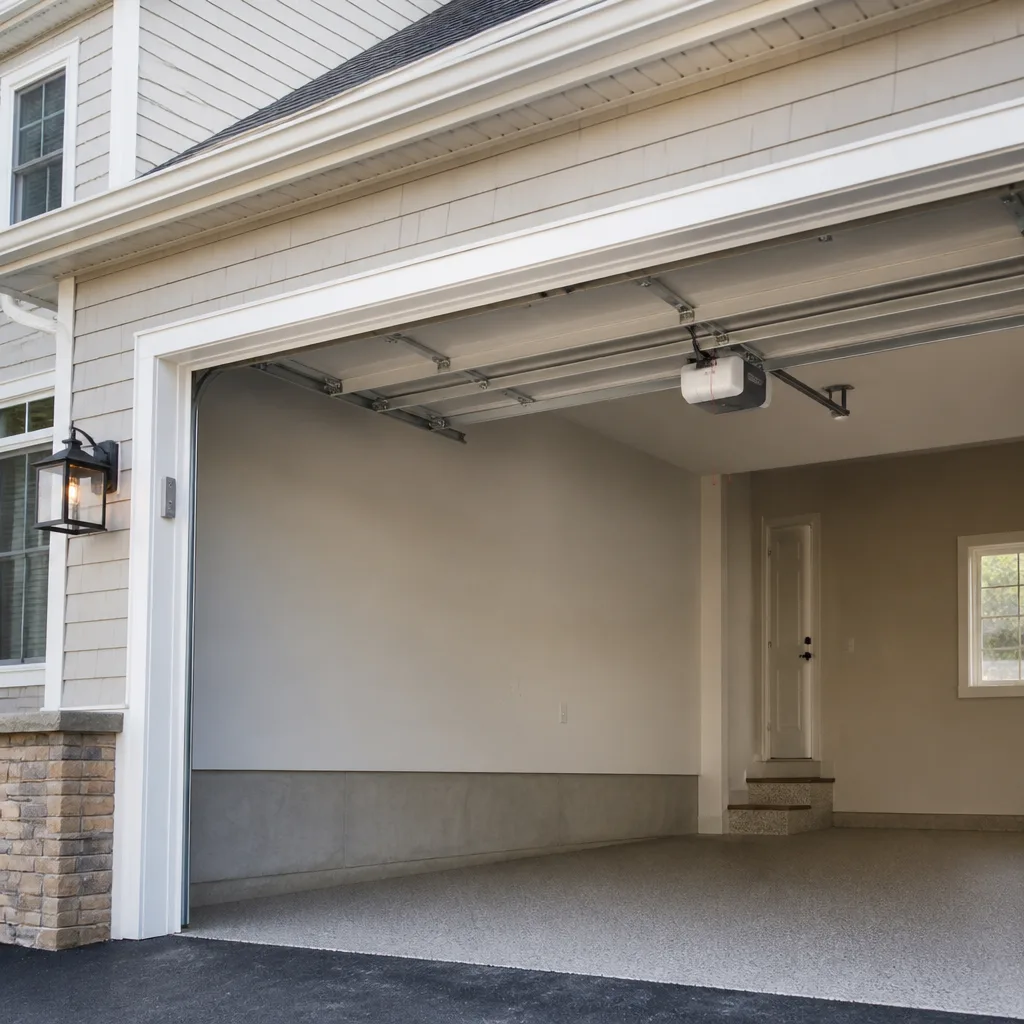 LiftMaster openers
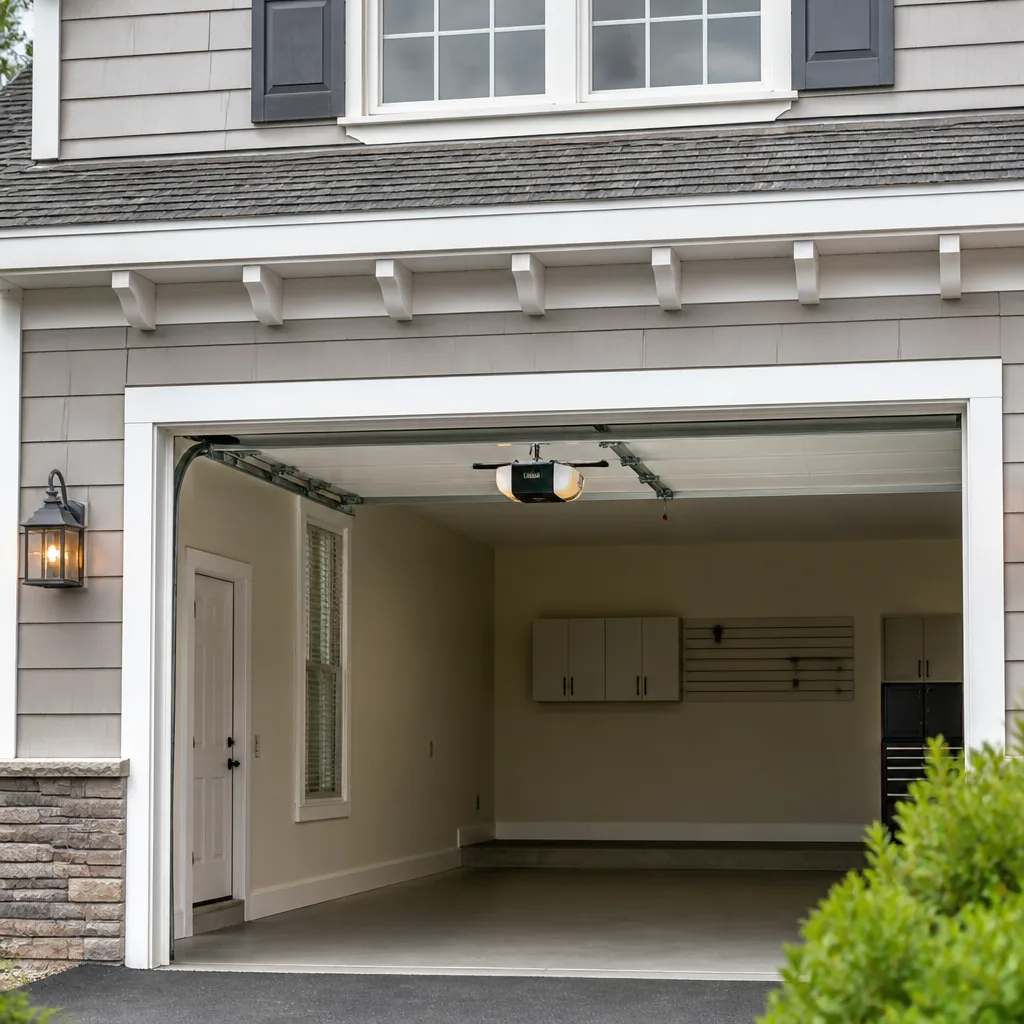 Chamberlain openers
Full 25-point door and opener safety check with every visit - springs, cables, rollers, tracks, and your LiftMaster or Chamberlain opener included
You get a price before we start. It does not change when the pro arrives.
Get your free estimateHow to Hire a Garage Door Contractor in Govans: A Step-by-Step Guide
The biggest mistake Govans homeowners make isn’t skipping the license check. It’s hiring a company that looks capable on the phone and turns out to be a scheduling service that sends whoever is free, with whatever parts happen to be on hand. You find out when the technician arrives and your ten-year-old LiftMaster doesn’t match anything in the van. This guide walks you through the vetting questions that separate a real garage door specialist from a dispatcher, what a proper written estimate should contain, why installers and repair specialists are different credentials, and how to protect yourself during an urgent call. Read it once and you’ll hire better for the next decade.
Quick Answer
To hire a garage door contractor in Govans, verify three things before you book: that the company performs the work with its own technicians rather than subcontracting to whoever is available, that its technicians are trained on the specific brand and opener you own, and that you receive a written, itemized estimate before any work begins. Ask directly whether spring work and opener diagnostics are handled in-house, get the brand name on the quote, and confirm the price in writing. If a company can’t answer those three points clearly, keep looking.
Styles & brands we work with
- Raised-panel steel
- Carriage house
- Modern flush
- Full-view glass
- LiftMaster openers
- Chamberlain openers
Table of Contents
- Question One: Do You Employ Your Technicians?
- Question Two: Which Brands Do You Actually Work On?
- Installer Versus Repair Specialist: Why the Difference Matters
- What a Legitimate Written Estimate Includes
- Vetting for Spring Repair and High-Tension Work
- Emergency Calls: Red Flags When You’re Under Pressure
- Scheduling, Dispatch, and What to Expect
- The Ten-Minute Verification Checklist
Question One: Do You Employ Your Technicians?
Ask the company flat out: are the technicians who arrive employees or contractors dispatched through a scheduling network? The answer changes almost everything about how the job will go. A company that performs its own work knows what its people can do. A company that farms out the job is gambling on whoever picks up the ticket, and so are you.
In any metro area, a large share of businesses advertising garage door service are lead-routing operations. They take your call, sell the appointment, and hand it to an independent operator. That’s not automatically a scam, but it means the company you called can’t guarantee the diagnosis, the parts, or the price you were quoted. It also means nobody in the chain owns the outcome if the door still catches on the way down.
Here’s how to tell the difference in one phone call:
- Ask who diagnoses the door. A company with in-house technicians will describe its process: opener diagnostics, spring measurement, track and roller check. A dispatcher describes the appointment.
- Ask about parts. If your opener is a Chamberlain or a Genie, ask whether the technician arrives with brand-appropriate parts or expects to order after arrival. “We’ll see when we get there” is the tell.
- Ask who to talk to if the repair doesn’t hold. A single company owns the follow-up. A network points you back to the person who showed up.
- Ask whether installs and repairs come from the same place. A company that installs a Clopay door and a week later can’t diagnose its opener is two businesses wearing one name.
What you want is one organization that handles the whole system: the door, the springs, and the opener. When the door won’t move, decisions get made fast, and a company that owns all three components doesn’t need a second contractor to finish the job.
Question Two: Which Brands Do You Actually Work On?
Brand fluency is the most underrated question in the entire process. Garage doors and openers aren’t universal. A LiftMaster logic board, a Genie screw drive, and a Chamberlain Wi-Fi unit each fail in different ways and each needs different troubleshooting logic. A technician who knows your brand diagnoses from experience. A technician who doesn’t starts from scratch and hopes the generic fix works.
Ask which brands the company is trained on. Then listen for specifics. A serious answer names brands and describes what changes between them: how the opener pairs with the door, which parts tend to fail, what the diagnostics look like on an older Craftsman versus a modern connected opener. A vague answer like “we work on everything” usually means the technician will work on whatever they find and charge you for the learning curve.
Govans neighborhoods are full of doors from every era. That matters because a lot of the housing stock here predates today’s smartphone-paired openers, so it’s common to find a solid door with a legacy operator on it, or a newer Clopay or Amarr door paired with a smart opener someone added later. A company that can move between those generations without hesitation is the one you want. For homeowners with brand-specific hardware, that fluency is the difference between one visit and three.
You can check how a company describes its own brand work by looking at how it writes about garage door opener repair. If the page treats openers as a generic add-on, they’re likely not the specialist you need.
Installer Versus Repair Specialist: Why the Difference Matters
An installer and a repair specialist are not the same trade. They share a toolbox and they look the same on a business card, but the work runs in opposite directions. Installation is a planned project: measure, order, level, tension, finish. Repair is a diagnostic exercise under time pressure, where the door is broken and you need to know why, fast, without breaking anything else.
Many companies do one well and the other poorly. An installer can hang a new door beautifully and still be lost in front of an opener that keeps reversing for no obvious reason. A repair specialist can trace a sensor fault in minutes and still be the wrong call for a full replacement, because they don’t measure or order doors.
What you should look for is a company that does both sides of the system: the door (installation, adjustment, panel replacement) and the operator (opener repair across the major brands). That combination shows up in how a company answers questions. Ask what happens when a torsion spring fails on a door that’s still under its original hardware. The right company talks about the spring, the cable, the drum, and the opener’s force settings in one breath, because they see it as one system.
For high-end or brand-specific setups, this matters even more. A Clopay door with a matched opener behaves differently than a budget door with an aftermarket operator. A single-source company can look at the whole thing without handing you off. You can see how a specialist frames this by reading about garage door installation, then comparing it to how a repair-first company writes about service. The companies that do both write confidently about both.
What a Legitimate Written Estimate Includes
A proper estimate names the parts, the labor, and the total, and it arrives in writing before anyone starts. If a company can’t produce that, you’re about to negotiate the price after the work is done. In this trade, that’s where the invoice grows.
Here’s what a real estimate should contain:
- Parts by name and brand. “Torsion spring, matched pair, rated for the door weight” beats “springs.” A named brand on the estimate tells you what’s actually going in.
- Line-by-line labor. Removing the old part, installing the new one, testing the door balance and the opener’s force settings. One total with no breakdown is a number, not an estimate.
- What’s included and what isn’t. If an opener repair might need a new logic board after diagnosis, the estimate should say so up front.
- The condition of the hardware you’re not replacing. Cables, rollers, hinges, and the bottom bracket should be checked and noted. A door with a new spring and a frayed cable is a return trip waiting to happen.
- A written price with a clear scope. The written estimate sets the final price. Get it before the work starts, and confirm that the price won’t change unless the scope changes and you agree.
Vague line items are the single strongest warning sign of a price that climbs later. “Service call,” “labor,” and “miscellaneous” are not line items. If you see them, ask what they cover. A company that can’t answer in specifics doesn’t have a process, and you’ll pay for the improvisation.
Vetting for Spring Repair and High-Tension Work
Spring work is a specialty, and not every garage door company treats it like one. Torsion springs hold the full weight of the door under extreme tension. They’re the highest-risk part of the system, and they require specific tools and specific training. A company that treats a spring replacement like a rubber-band swap is telling you something about how it handles everything else.
Ask how the company sizes a replacement spring. The right answer involves the door’s weight, the drum size, the cable configuration, and the cycle rating. The wrong answer is “we bring a spring that fits.” Spring pairing matters too: a matched pair is usually replaced together because the two springs share the load. Replacing one and leaving a tired partner is a recipe for a second failure on a different day.
Ask about cables while you’re at it. A broken spring often means a stressed cable, and a company that replaces the spring without inspecting the cable is either not looking or hoping you won’t ask. Ask about the bottom bracket as well. That’s where the cable tension lives.
The safety point is worth stating plainly. Springs and their cables are not a homeowner job, and no guide, video, or borrowed tool makes them one. A trained technician with the right winding bars and the right understanding of the door’s balance is the only safe route. This is why we frame spring work as a specialty rather than a commodity: it demands respect, and it demands the right person.
For standard repair questions around the rest of the system, our garage door repair page covers what a service visit typically involves, including the checks we run on cables and balance.
Emergency Calls: Red Flags When You’re Under Pressure
Urgent calls are the moment homeowners are most vulnerable, because there’s no time to compare estimates and the language on the phone is reassuring. The company knows you’re stuck. That’s exactly why you need a short list of red flags ready before you dial.
Watch for these:
- A price quoted on the phone and then changed on arrival. A phone estimate is a guess at best. What you want is a written estimate at the door, before the work starts. If the number moves after the technician looks, ask why and get the new figure in writing.
- Pressure to sign before the estimate is explained. A technician who wants a signature before you understand the scope is selling, not diagnosing.
- Vague answers about who’s coming. “Someone will be there” isn’t a commitment. Ask for the company name and how the technician will identify themselves.
- No written scope for a multi-part failure. If the door has a spring and a cable problem, the estimate should show both. Bundling into one total hides what’s actually happening.
- A diagnosis that skips the door. The opener is a symptom as often as it’s the cause. A technician who only looks at the opener box isn’t diagnosing the system.
Our phones are answered 24/7, and we dispatch Sunday through Friday from 7am to 7pm. If a door fails on a Saturday, we’re closed that day; call and we’ll book you into Sunday. When the door won’t move, decisions get made fast, and that’s the point of having a real company behind the number instead of a routing service.
Scheduling, Dispatch, and What to Expect
Once you’ve picked a company, a little clarity about scheduling saves a lot of frustration. Ask how the visit works. Will the technician arrive with brand-appropriate parts, or will the visit end with a parts order and a second appointment? For repairs, the answer should be one visit whenever possible. For installation and replacement, the work is measured, ordered, and scheduled, so the right promise is a free measure and a written price, not same-day arrival.
Here’s the sequence to expect on a repair visit:
- Diagnosis. The technician checks the door’s balance, cables, springs, tracks, and rollers, and separately tests the opener’s force settings and sensors.
- Written estimate. You review the scope and the price before anything is touched. Questions are answered first.
- The work itself. Parts are installed, the door is rebalanced, and the opener’s force limits are set to match the door’s actual weight.
- Testing. The door runs through its full travel, the safety reverse is confirmed, and the technician walks you through what was done.
For an install, the sequence starts with a measure and a written proposal. Ask how long the order takes and what the door’s brand and model are on paper. A Clopay panel is a different lead time than an Amarr one, and knowing that on day one keeps the project on track.
The Ten-Minute Verification Checklist
Before you book anyone, run through a short verification checklist. It’s the fastest way to sort real companies from dispatchers, and it costs you ten minutes.
- Verify the service in writing. Ask the company to confirm in writing whether the work is performed by its own technicians or by contracted individuals.
- Name your brand in the first call. Tell them your door and opener brands. If they hesitate, ask how they’d diagnose a specific fault on that brand.
- Ask about the credentials you care about. Ask how the company vets and trains its technicians. The answer should be specific: training on the brands it services, not a generic “years of experience.”
- Request the estimate in writing. Before work starts, not after. Confirm the price and scope in writing.
- Confirm who arrives and when. Get the technician’s identity and the arrival window in writing so you know who’s at the door.
- Ask about the follow-up. If the repair doesn’t hold, who do you call? A clear answer shows ownership.
- Ask what happens if the diagnosis changes. Parts fail in unexpected ways. A good company explains the new scope and gets your approval before proceeding.
Companies that pass this checklist are the ones to keep in your contacts. If you’d rather start from a page that already explains how a service visit runs, our Garage Door Repair Govans page is a natural place to begin.
Common Mistakes to Avoid
- Hiring on phone price alone. A price quoted before anyone has looked at the door is a guess. You want a written estimate at the door, with the scope explained, before any work starts.
- Not asking about subcontracting. A company that doesn’t employ its technicians can’t guarantee the diagnosis, parts, or price. Ask directly and expect a direct answer.
- Ignoring brand fit. If your opener is a Chamberlain or a Genie, the technician needs the right troubleshooting logic for it. A generic visit costs more in the long run because the fix often doesn’t hold.
- Accepting vague line items. “Labor” and “miscellaneous” hide the parts. Ask for parts by name and labor broken out, and refuse to sign until the scope is clear.
- Letting a spring replacement skip the cables. Springs and cables share the load. A company that replaces one without inspecting the other is cutting the job short.
- Hiring an installer for a repair. Installation and repair are different skills. The company that measures and orders doors isn’t always the one that can diagnose an intermittent opener fault.
- Calling a dispatcher in an emergency. When the door won’t move, you need a company that answers 24/7 and has technicians ready, not a routing service that promises a call back.
See the difference
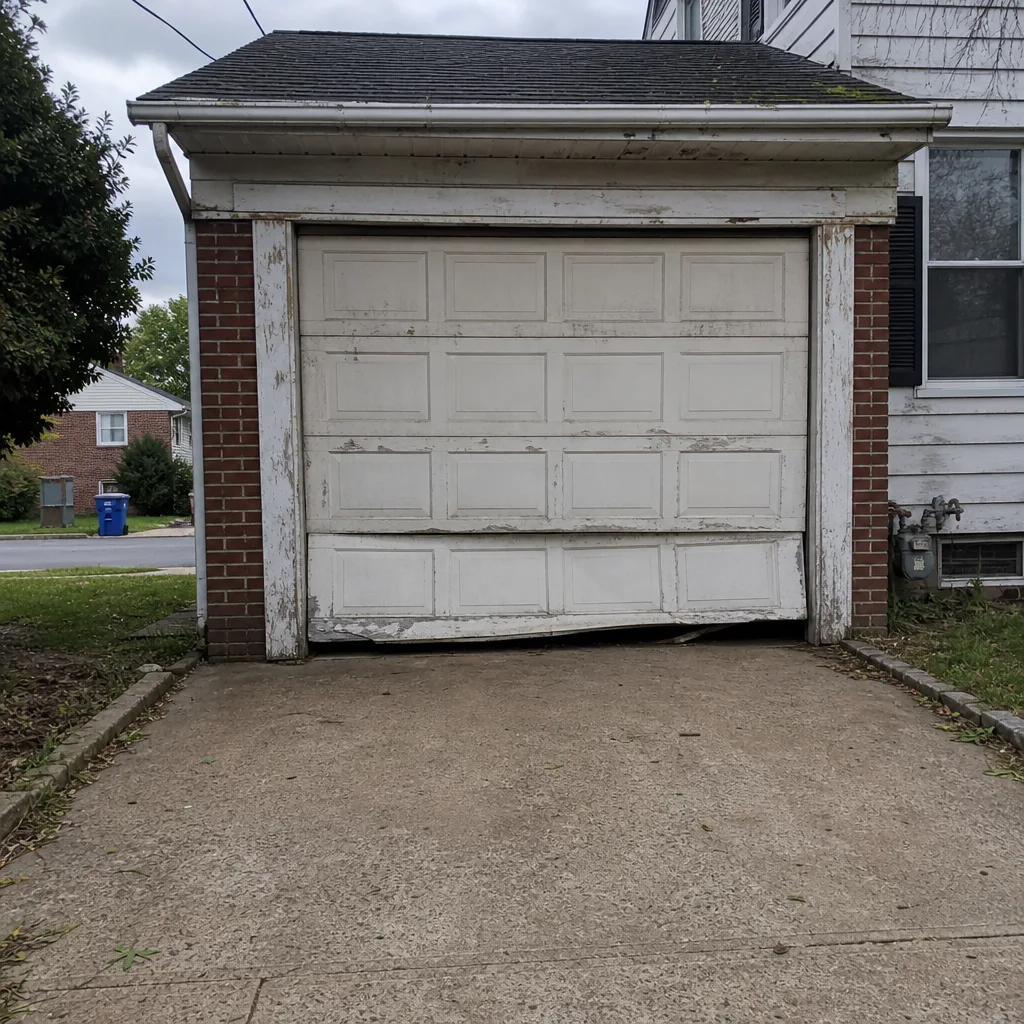 Before
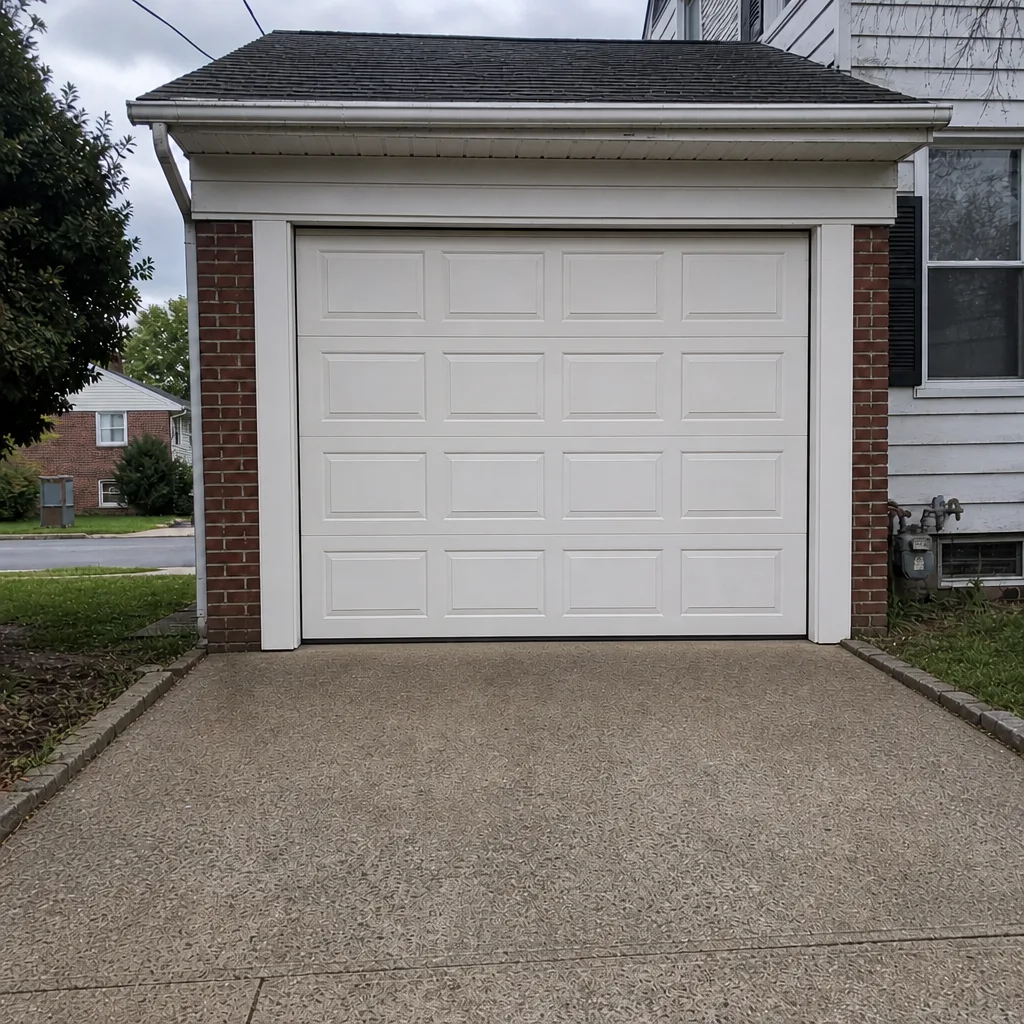 After
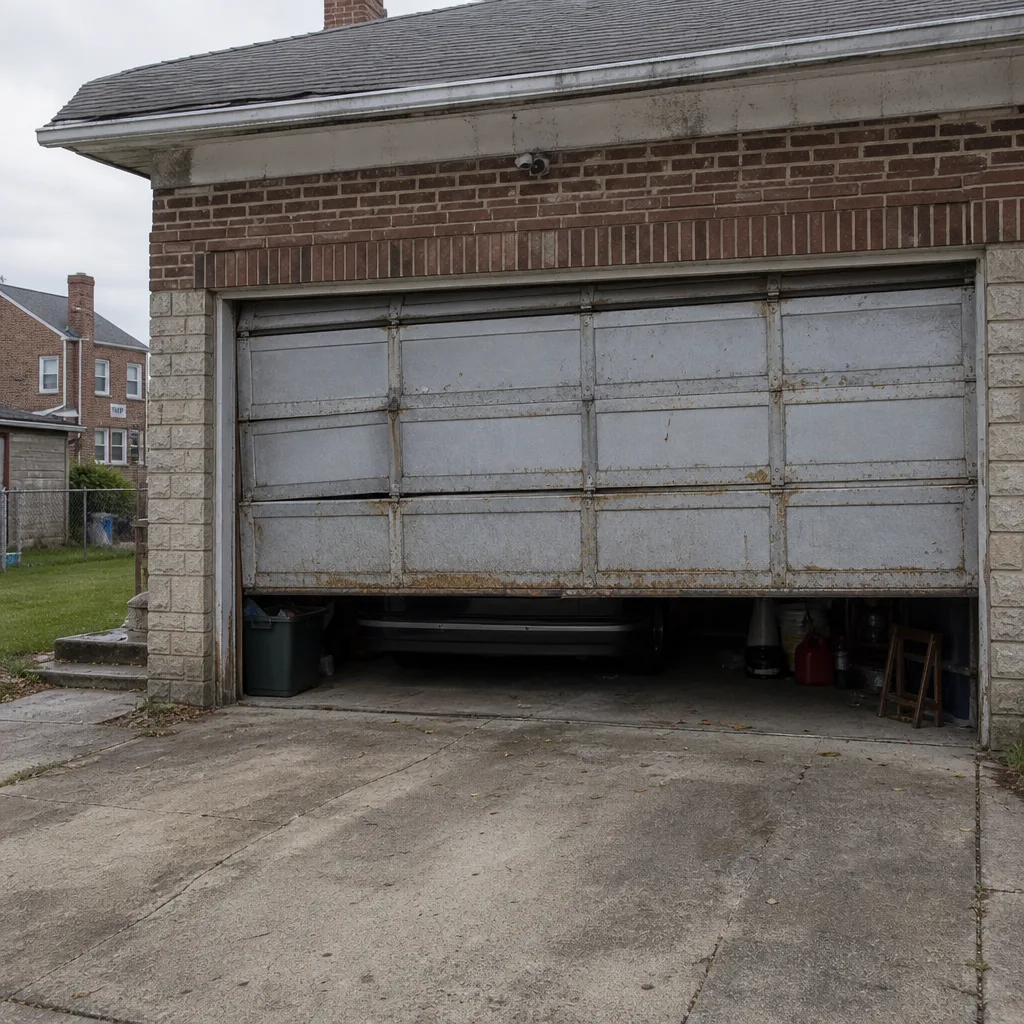 Before
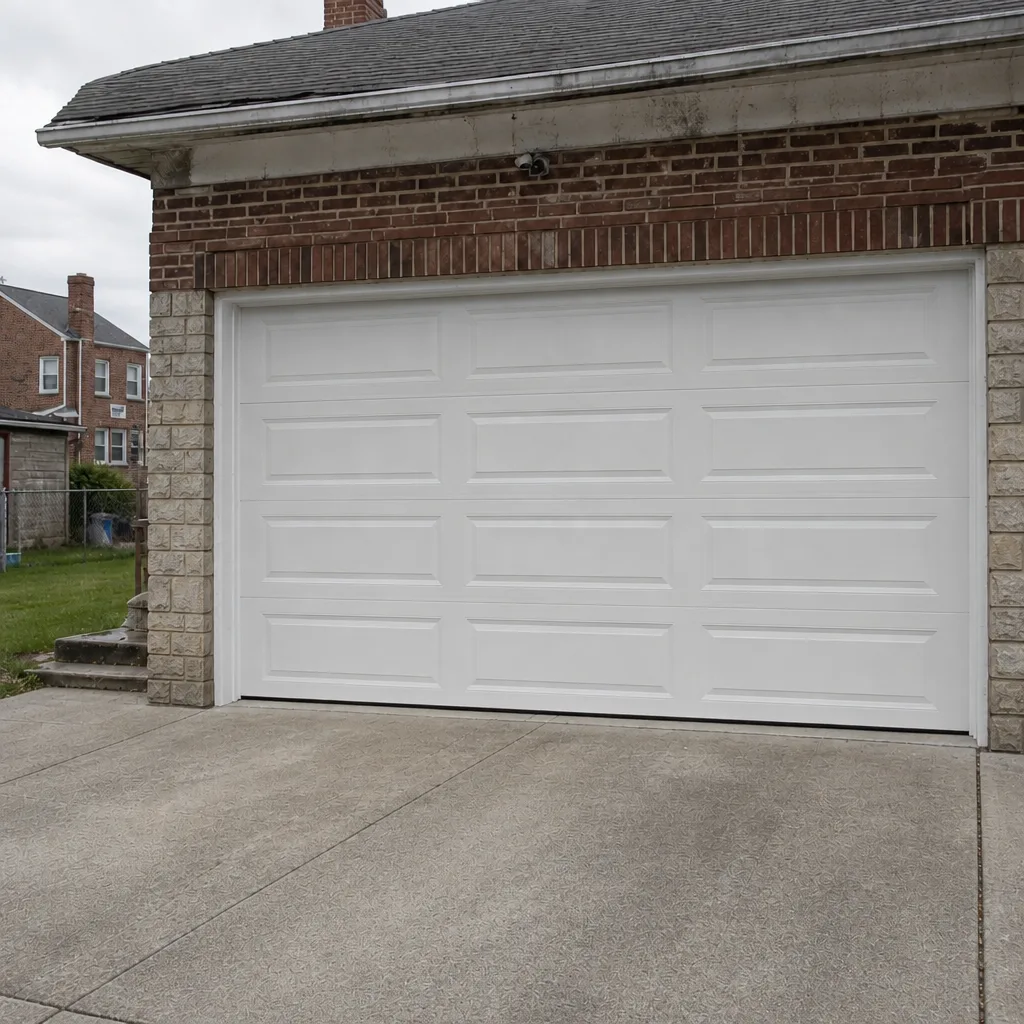 After
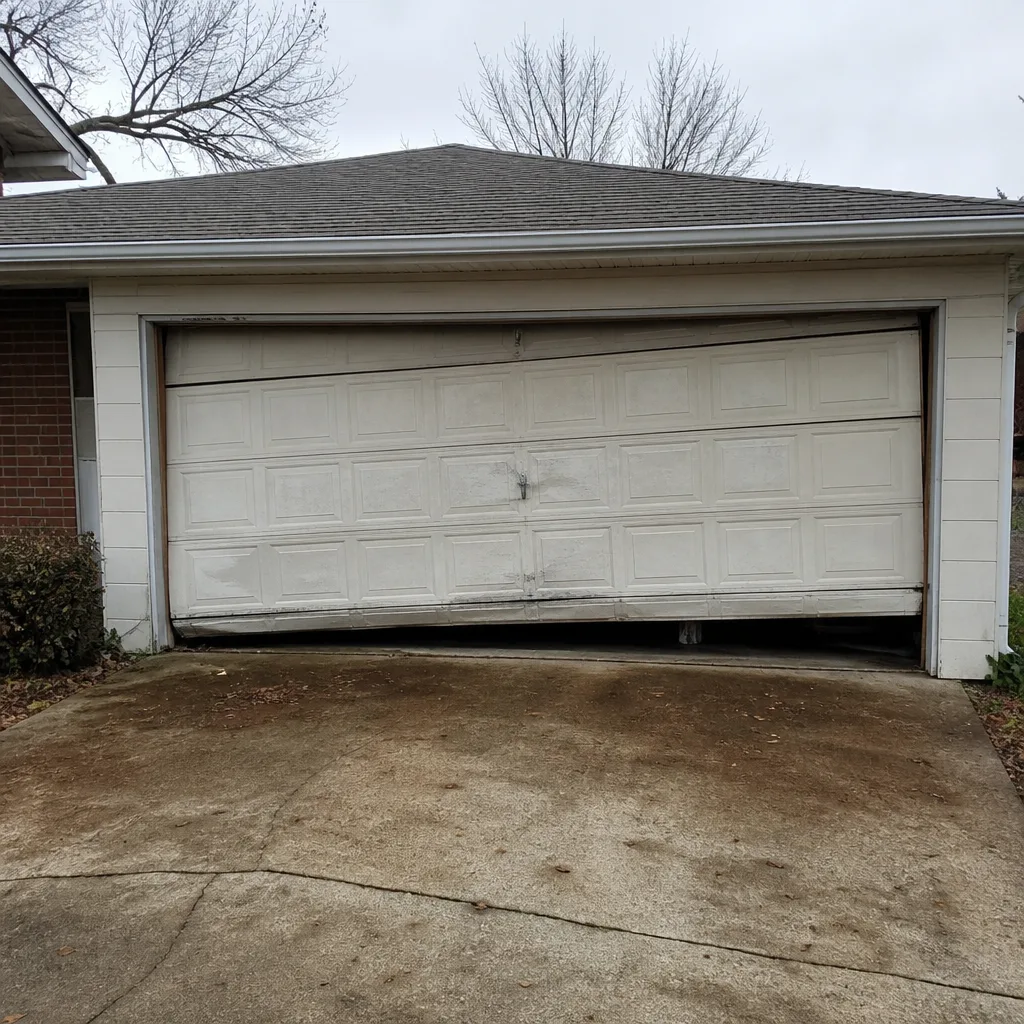 Before
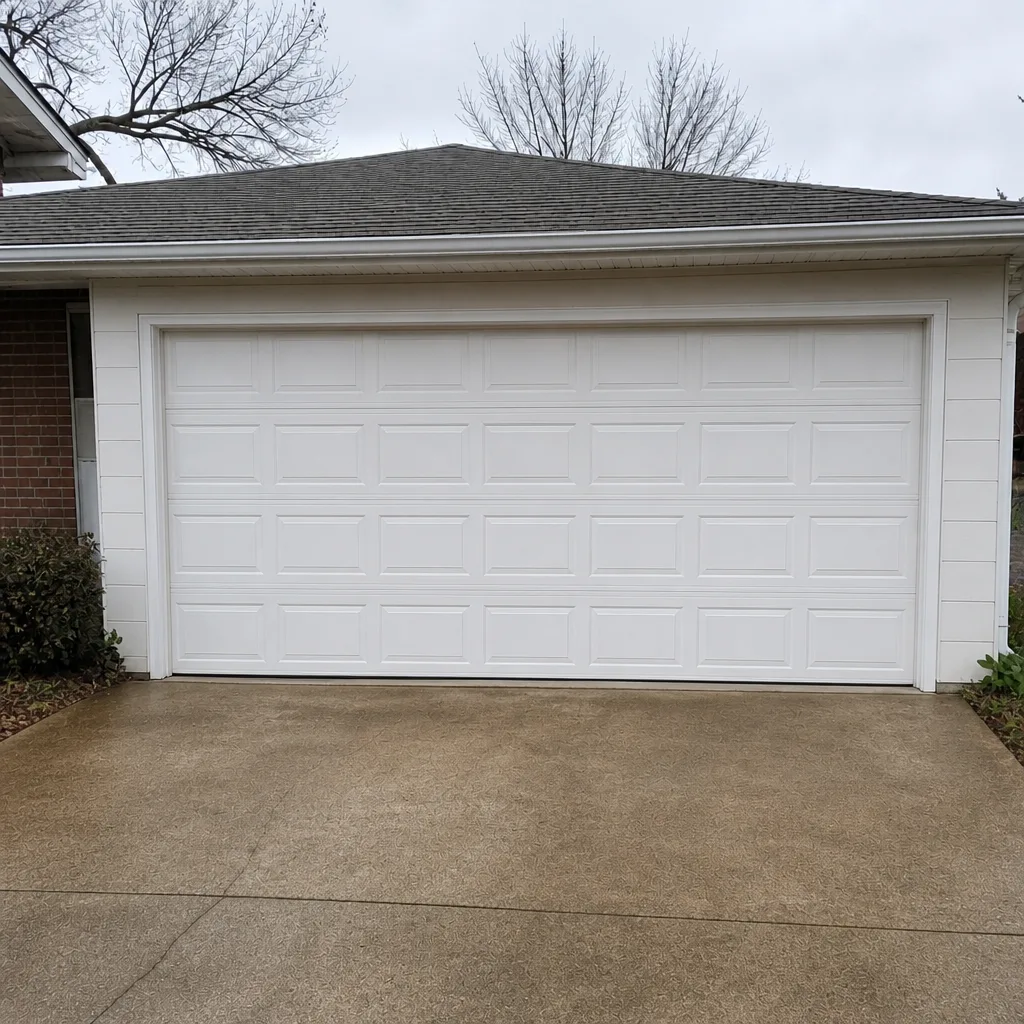 After
When to Call a Professional
Some jobs are straightforward DIY territory: a loose hinge, a roller that needs a drop of lubricant, a track that’s slightly out of alignment. Most garage door work is not. Call a professional when the door won’t open or close, when you hear a bang from the springs and the door hangs slack, when the opener runs but the door doesn’t move, when the safety reverse fails its test, or when a cable looks frayed or slack. Those are the situations where the risk climbs fast and a trained technician earns their visit. Garage Door Repair Govans offers free estimates in Govans. Call (877) 378-7082. We answer 24/7. Fast dispatch from 7am to 7pm, Sunday through Friday.
Frequently Asked Questions
Ask directly whether the technicians who arrive are employees or contracted individuals. A company with in-house technicians describes its diagnostic process in detail; a scheduling service describes the appointment and stays vague about the parts and the person. Confirm the answer in writing before you book.
A capable company should name the brands it’s trained on rather than offering a generic “everything” answer. The most widely installed systems include LiftMaster, Chamberlain, Genie, Clopay, Amarr, Wayne Dalton, Craftsman, and Raynor. Govans housing stock spans several decades, so a company that can move between legacy and modern systems without hesitation is the one you want. Call (877) 378-7082 for an exact quote.
Parts named by brand and model, labor broken out line by line, what’s included and what isn’t, and the condition of hardware you’re not replacing. The written estimate sets the final price. Requests for a written estimate before the work starts are normal and reasonable.
Pricing depends on door weight, spring type, and whether a matched pair is replaced. The only reliable figure is the one in your written estimate, which comes before any work begins. Spring work is a high-tension job, so ask about the company’s training and tools when you call. Call (877) 378-7082 for an exact quote.
Yes, and it’s usually the better choice. A single-source company handles the door, the springs, and the opener as one system, which avoids the finger-pointing that happens when two contractors each blame the other’s work. Our team installs the door, repairs the opener, replaces the springs, and answers urgent calls, so nothing gets handed off.
Watch for a price that changes on arrival, pressure to sign before the scope is explained, and vague answers about who’s coming. Ask for a written estimate at the door and confirm the technician’s identity. The price is set per job by the written estimate. Call (877) 378-7082 for an exact quote.
The Bottom Line
Hiring a garage door contractor in Govans comes down to three checks: whether the company employs its own technicians, whether it’s trained on the brand you actually own, and whether it puts the scope and the price in writing before work begins. Installers and repair specialists are different trades, and the companies that do both are the ones that treat the door, springs, and opener as one system. Run the ten-minute checklist, ask the brand question first, and you’ll avoid the dispatch trap that catches most homeowners mid-job.
Garage Door Repair Govans provides residential and commercial garage door services across Govans, including repair, spring replacement, installation, and garage door opener repair, with trained technicians for the major brands. If you’re ready for a written estimate, call (877) 378-7082 for a free estimate. We answer 24/7. Fast dispatch from 7am to 7pm, Sunday through Friday.
Written by the team at Garage Door Repair Govans.