
Last updated November 21, 2026
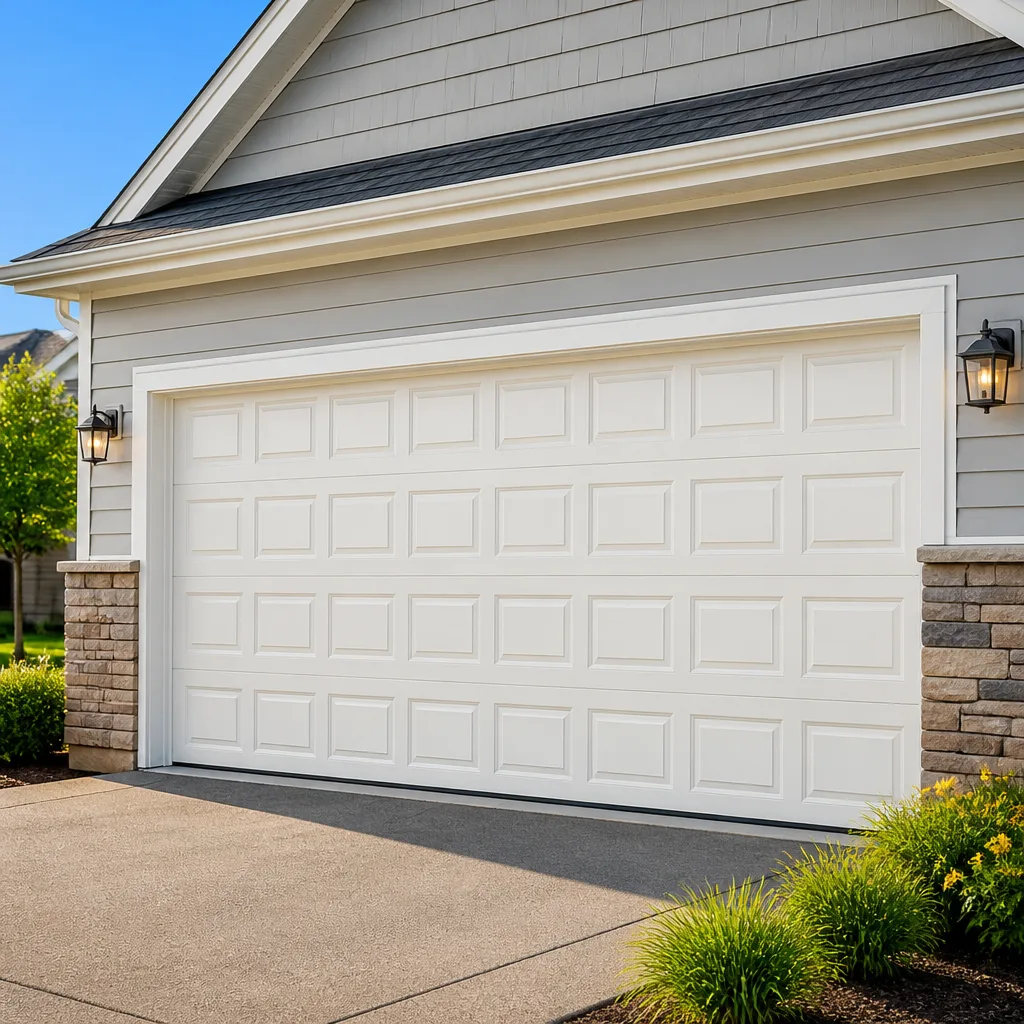 Raised-panel steel
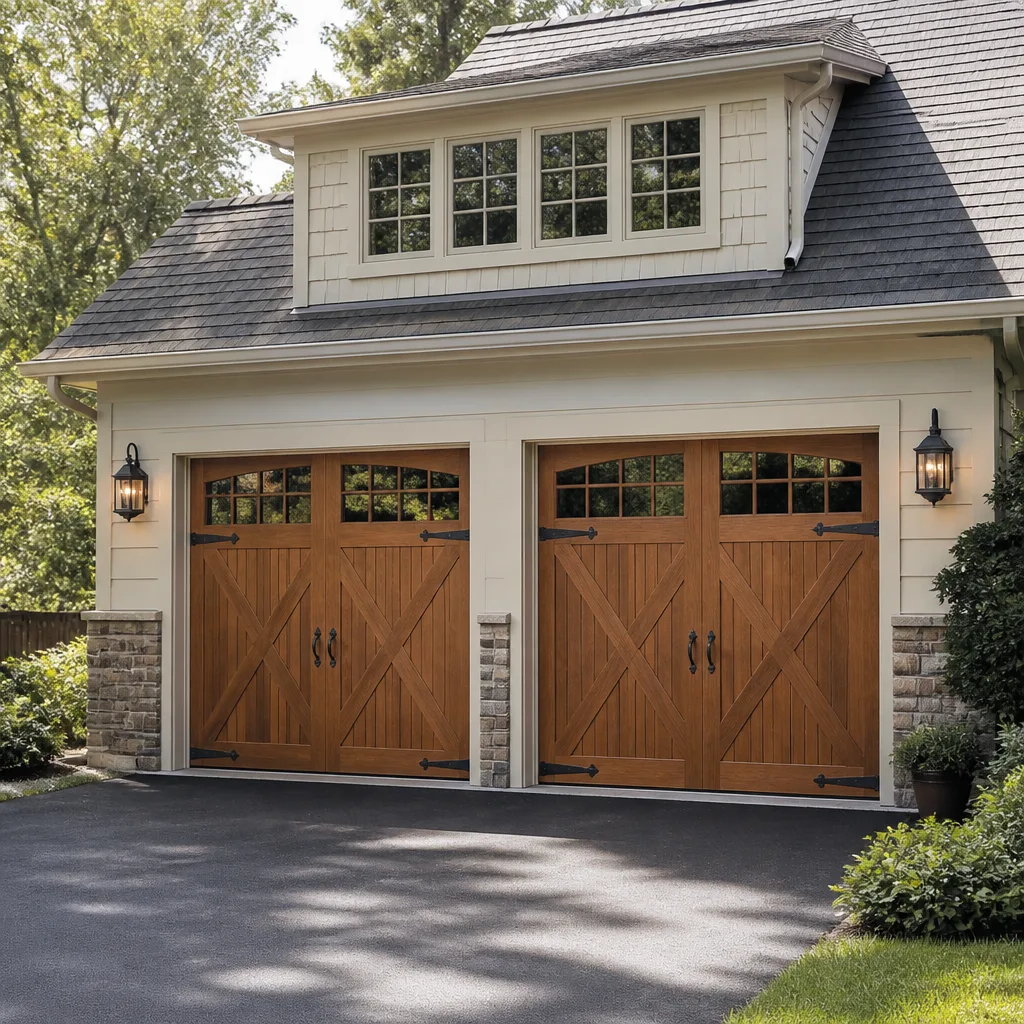 Carriage house
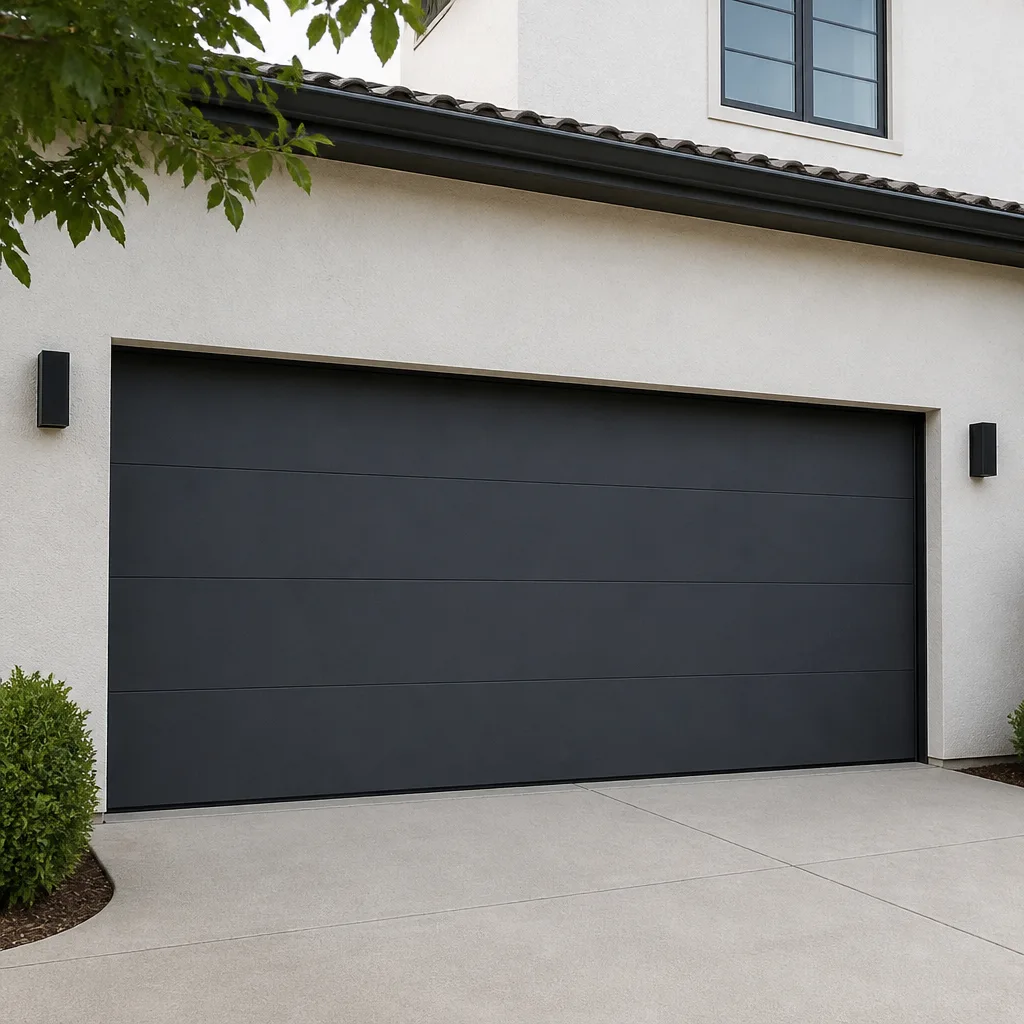 Modern flush
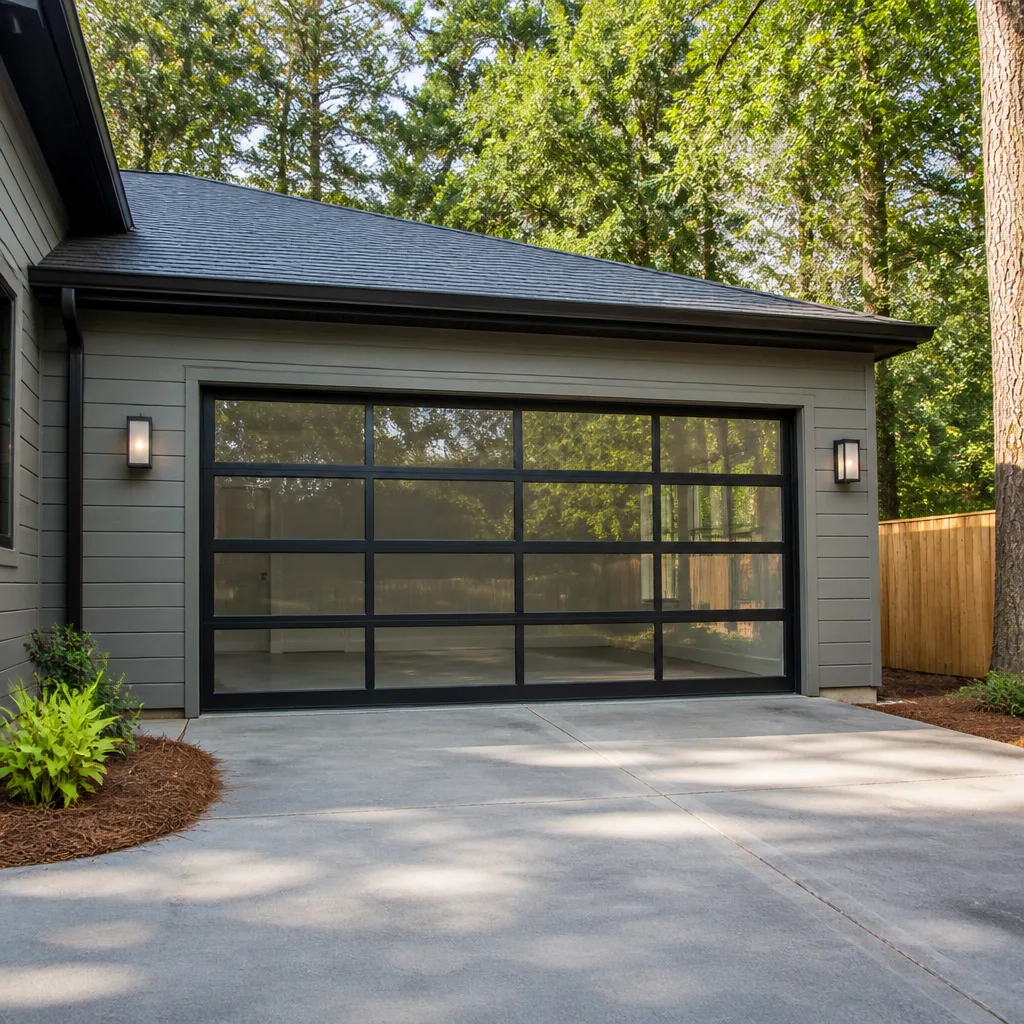 Full-view glass
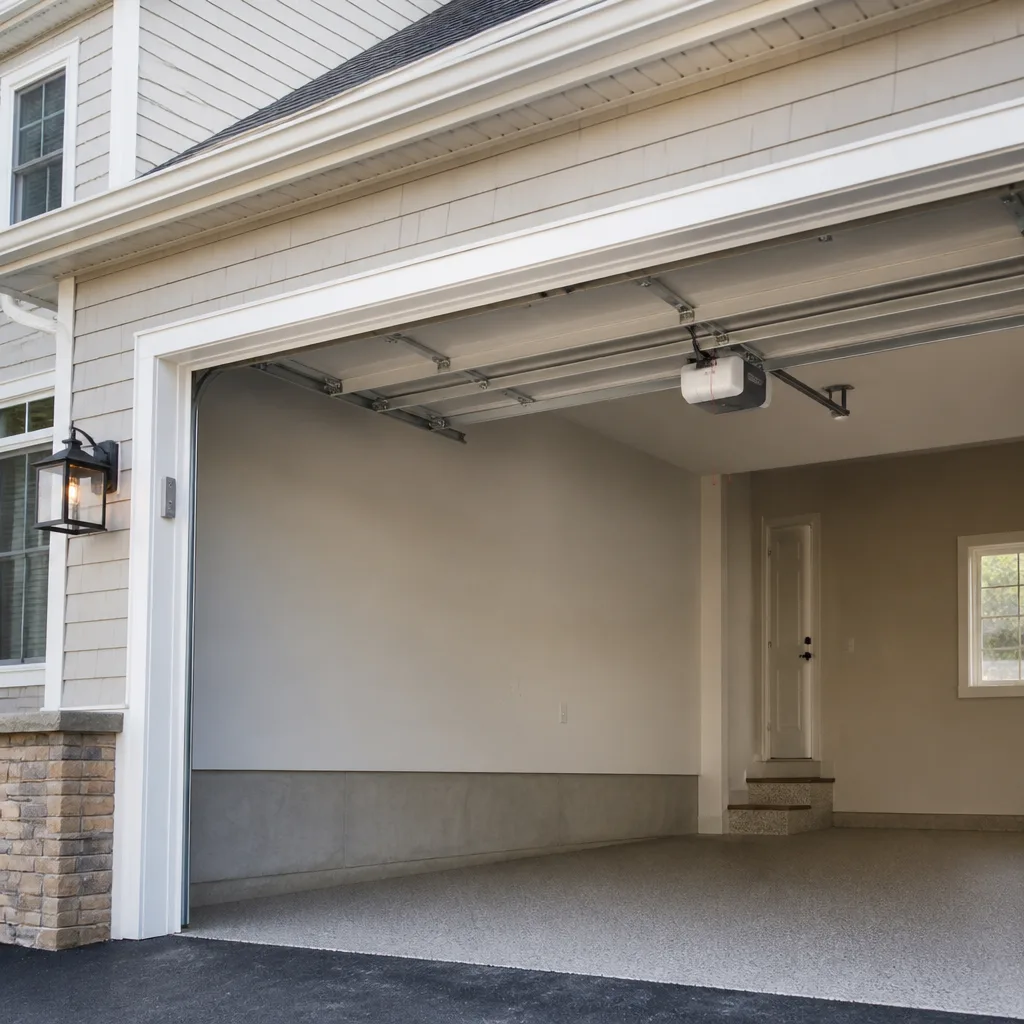 LiftMaster openers
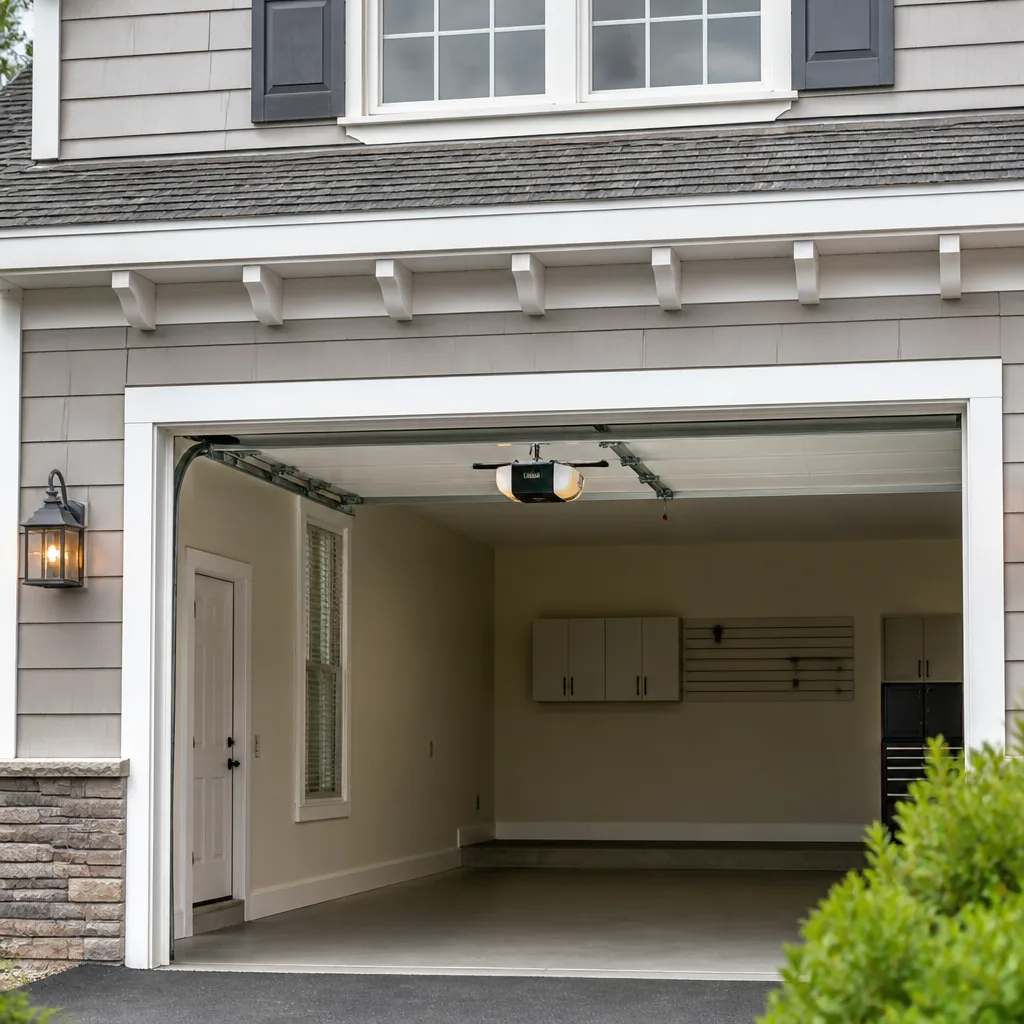 Chamberlain openers
Full 25-point door and opener safety check with every visit - springs, cables, rollers, tracks, and your LiftMaster or Chamberlain opener included
You get a price before we start. It does not change when the pro arrives.
Get your free estimateGarage Door Warning Signs: A Govans Homeowner’s Reference Guide
A torsion spring doesn’t snap without warning. It gives you roughly three to six weeks of audible and behavioral signals first, and most Govans homeowners mistake those signals for “the door being a little off.” The same is true of a failing opener, a worn roller, or a cable starting to fray: the failure announces itself long before the midnight emergency. This guide works backward from the actual mechanical failure to the earliest thing you can see, hear, or feel, so you get a 30-day warning window instead of a Sunday morning scramble. We’ll cover what each signal points to, which ones mean “schedule it” and which mean “stop using the door today,” and what a Govans homeowner can safely check from eye level without touching spring hardware.
Quick Answer
The earliest garage door warning signs are almost always sound and movement changes, not visible breakage: grinding or squealing that wasn’t there last month, a door that hesitates or travels unevenly, and an opener that sounds strained or reverses before it closes. Any noise or slowdown plus a door that still works usually means a component is wearing and you have weeks to schedule a repair. A loud bang followed by a door that won’t lift, a visible gap in the spring coil, or a door hanging crooked means stop using it now and call a professional. In Govans, most of these signals are caught well before failure when homeowners know what to listen for.
Styles & brands we work with
- Raised-panel steel
- Carriage house
- Modern flush
- Full-view glass
- LiftMaster openers
- Chamberlain openers
Table of Contents
- Why Garage Doors Fail Slowly, Not Suddenly
- Sound-Based Diagnostics: What Each Noise Points To
- Movement Signals: Hesitation, Uneven Travel, and Reversal
- Visual Checks You Can Do From Eye Level
- Opener Behavior That Signals a Mechanical Load Problem
- Monitor and Schedule vs. Stop Using It Today
- Your 30-Day Warning Window: A Seasonal Walkthrough
Why Garage Doors Fail Slowly, Not Suddenly
A garage door is a balance system. The springs carry the weight, the opener only steers it, and every roller, hinge, and bearing shares the load. When one part starts to wear, the others absorb more, and the strain spreads like a slow leak. That’s why a door almost never fails out of nowhere: the spring that breaks on a cold morning has been losing tension for weeks, and the opener that finally quits has been working harder than it should for months. We see this pattern constantly in Govans, where doors take a beating from summer humidity and winter cold swings that stiffen grease and shrink metal.
The practical takeaway is that warning signs are a diagnostic trail, not a single event. Instead of watching for the big failure, watch for the small changes that precede it. If your door sounds slightly different, moves slightly slower, or hesitates in a new spot, something in the balance system has shifted. Catching that shift early is what turns a costly emergency into a scheduled repair.
Here’s what the underlying components actually do, because the symptoms only make sense once you know the parts:
- Torsion springs store the lifting force. They fatigue gradually and give warning through tension loss, visible gaps, and a door that suddenly feels heavier.
- Rollers ride inside the track. Worn or flat-spotted rollers grind and rumble, and they put sideways strain on hinges.
- Bearings and the center bracket let the torsion bar spin freely. When they dry out, you hear a high-pitched squeal or chirp.
- Cables run from the bottom corners up to the drums. A fraying cable is a stop-using-it-now condition because cables are under extreme tension.
- The opener and rail drive the door. A struggling opener usually reports a door problem, not an opener problem.
None of this requires you to diagnose it alone. What it requires is that you recognize a change and know whether it’s a “call this week” or a “call now.” If you’d rather have a technician read the signals for you, our team handles Garage Door Repair Govans every day and can tell you exactly what’s wearing and what’s still fine.
Sound-Based Diagnostics: What Each Noise Points To
Sound is the earliest and most reliable warning sign because friction announces itself long before anything breaks. The trick is telling grinding, squealing, and scraping apart, because each one points to a different component and a different urgency. Listen from just inside the garage while the door runs, not from the driveway.
Grinding or rumbling: rollers and tracks
A low, growling grind that rises and falls with the door’s travel usually means worn rollers or a misaligned track. The roller’s bearing has gone dry or flat-spotted, and it’s dragging metal against metal. This is a schedule-it signal: it rarely fails suddenly, but it accelerates wear on hinges and the opener. Grinding that gets worse near one section of the track suggests a bent or loose track segment catching the roller.
Squealing or chirping: bearings and torsion hardware
A sharp, high-pitched squeal, especially near the center of the door above your head, points to dry bearings or a center bracket that needs lubrication. Chirping that repeats with each rotation of the bar is the torsion hardware telling you it’s dry. This is among the easiest things to address early, but it should be handled by a technician because it involves the high-tension torsion assembly.
Scraping or snapping: cables and drums
A metallic scrape or a snapping, popping sound coming from one corner is the signal to stop. That’s the sound of a cable fraying against the drum or a cable jumping its groove. Cables are under extreme tension and can cause serious injury if they let go, so a scraping cable is a callback for a professional, not a weekend project. If you hear a single loud bang and the door suddenly feels heavy, a spring has failed.
How to tell them apart quickly
- Run the door and listen from a fixed spot inside the garage.
- Note whether the noise is steady or happens at one point in the travel.
- Identify roughly where it comes from: center top (springs and bearings), one corner (cables and drums), or along the sides (rollers and tracks).
- Write down the sound and location, then call and describe it. That description alone saves diagnostic time.
In our experience, homeowners in Govans who can describe a sound this precisely get the right repair scheduled faster, because the technician arrives knowing whether to expect a roller set, a bearing service, or a cable inspection.
Movement Signals: Hesitation, Uneven Travel, and Reversal
Movement is the second diagnostic channel. A healthy door moves smoothly at a constant speed and lands flush. Any change in how it travels maps to a specific root cause, and most of those causes are mechanical, not electrical.
- Hesitation at the start or halfway up: the door is binding or the springs have lost tension, so the opener is fighting more weight than it should. If it hesitates near a joint, look for a stiff hinge or a track kink.
- Uneven travel (one side rises faster): a stretched or damaged cable on the lagging side, or a spring that’s lost tension on one side of a two-spring system. This is a stop-using-it signal if the door visibly tilts, because the door can bind and come off track.
- Reversing before it closes: usually a safety sensor issue or an obstruction, but if the sensors are clean and aligned and it still reverses, the opener is reading resistance from a binding door. That’s a load problem wearing on the opener, not a sensor problem.
- Slamming or dropping the last few inches: the spring tension is no longer balancing the door’s weight, so it falls instead of settling. This strains the opener and everything below it.
- A door that won’t stay up when you disconnect the opener: a clear sign the springs aren’t carrying their share. A balanced door should hold roughly in place by hand (never test this by reaching into the spring area).
Watch the door travel a few times in a row and note which of these you see. Then read it against the list above. If you see uneven travel or a door that won’t hold, stop using the door and call for garage door repair. If you see hesitation or early reversal only, it’s usually safe to schedule a visit within the next week or two. Our technicians have up to 10 years of experience reading these patterns on the doors that are most common in Govans, including Clopay and Amarr panels that develop their own wear habits.
Visual Checks You Can Do From Eye Level
You don’t need to climb a ladder or touch any spring hardware to spot most early failures. Everything below can be checked standing on the floor, at eye level, with the door closed and the opener disconnected from power. What you’re looking for is change: something that wasn’t there last season.
- The spring gap. Look at the torsion spring above the door. A healthy spring is a tight coil. A visible gap or a section that looks stretched or separated means the spring is failing. Do not touch it; call a professional.
- Cable condition at the bottom. Cables at the lower corners should look tight and evenly wound. Frayed strands, kinks, or slack on one side are a stop-using-it signal.
- Roller condition. Rollers should be round and seated in the track. Flat spots, cracks, or rollers sitting crooked point to a roller replacement.
- Track alignment. Stand back and compare the two side tracks. Dents, gaps between the track and the door, or a track that leans in at one point needs attention.
- Hinge wear. Hinges should sit flat against the panel. Gaps, rust pushing a hinge out, or a hinge that won’t stay tight are early signs.
- The weather seal and bottom edge. A cracked or torn bottom seal lets in water and pests and stresses the bottom panel.
- The whole panel for cracks or sagging. A bowed or cracked panel on a wood or older steel door suggests structural strain, not just cosmetic wear.
One rule overrides all of these: never reach your hands near the springs, cables, or drums to test anything, and never try to adjust a torsion spring yourself. Those parts carry enough stored energy to cause serious injury even when the door looks still. If a visual check leaves you unsure, that’s the right moment to have someone trained look at it. Our crew handles the high-tension side of the system as a front-line specialty, and our team does not farm that work out.
Opener Behavior That Signals a Mechanical Load Problem
When an opener starts behaving oddly, the instinct is to blame the opener. Most of the time the opener is reporting a door problem. A door that takes more force to lift pushes back on the opener, and the opener responds by slowing, straining, or struggling with its remote. Learning to separate opener faults from door faults saves you from replacing a unit that was fine.
- Slower travel: if the door moves visibly slower than it used to, the opener is working against more resistance. That’s usually a spring losing tension or a binding door, not a dying motor.
- Louder motor noise: a grinding or laboring motor sound while the door moves is the opener compensating for load. Listen to whether the noise comes from the motor head or from the door itself.
- Shorter remote range: people assume a remote battery, and sometimes it is. But if a fresh battery doesn’t help and the wall button still works, the opener’s logic or the connection is the issue. On connected units from LiftMaster, Chamberlain, or Genie, a range drop can also follow a firmware update or a pairing problem. That’s a diagnostic call, not a door call.
- Random stops or reversals: if the safety sensors are clean and the door still stops mid-travel, the opener’s force setting or travel limits are being tripped by resistance from the door.
- Clicking but not moving: a relay click with no movement usually points inside the opener, whether that’s a LiftMaster logic board or a Craftsman drive gear. This is where garage door opener repair starts, and it’s worth having someone who knows the brand look at it before you replace the whole unit.
Multi-brand familiarity matters here more than anywhere else on the system. LiftMaster, Chamberlain, Genie, Craftsman, Raynor, and Wayne Dalton units each fail in their own predictable patterns, and a technician who recognizes the pattern skips the trial and error. If the opener is older and the door is also showing wear, we can help you weigh a repair against a new garage door installation. Either way, the first step is figuring out whether the problem is really the door.
Monitor and Schedule vs. Stop Using It Today
The single most useful skill in this guide is knowing which column a symptom falls into. Most warning signs give you weeks. A few mean the door should stay shut until someone looks at it. Mixing them up is how a small repair becomes a big one.
Monitor and schedule (weeks of warning)
- Grinding, rumbling, or squealing that started recently.
- A door that hesitates slightly or sounds a little slower.
- Worn or flat-spotted rollers.
- Dry bearing chirp or an occasional squeal.
- Small hinge wear or a loose hinge.
- A remote with reduced range or a sensor that needs a wipe.
- A weather seal that’s cracked but the door still runs smoothly.
Stop using the door today (call now)
- Any loud bang followed by a door that won’t lift or feels very heavy.
- A visible gap, stretch, or break in the torsion spring.
- A frayed, kinked, or slack cable.
- A door that hangs visibly crooked or one side rising faster than the other.
- A door that comes off its track or binds hard.
- A door that drops or slams instead of settling.
- Anything that puts your hands near the springs or drums to check it.
If you’re in the second column, stop pressing the button, leave the door down if it’s down, and call. We answer 24/7. If it’s a Saturday and the door needs us, we’re closed Saturday and open Sunday through Friday, 7am to 7pm; a call outside dispatch hours is booked into the next opening. The most important thing is not to keep cycling a door that’s telling you it’s about to fail. If you’re in the first column, you have time to schedule, and that’s exactly the window this guide is built around.
Your 30-Day Warning Window: A Seasonal Walkthrough
Most of the warning signs in this guide surface across a 30-day window, which is enough time to schedule a repair before something fails. A short monthly or seasonal walkthrough catches the signals early, and it’s especially useful in Govans, where humidity in summer and cold snaps in winter change how the door feels and sounds. Run this check four times a year, or any time the door sounds different.
- Listen. Run the door once and stand still. Note any new grind, squeal, or scrape and where it comes from.
- Watch the travel. Watch the door from below as it opens and closes. Look for hesitation, uneven sides, or a last-inch drop.
- Check the spring gap. Eye level only, no touching.
- Check the cables at the corners. Look for fraying or slack.
- Check rollers and hinges. Look for flat spots, cracks, or a hinge that’s pulled out.
- Test the balance safely. With the opener disconnected and the door halfway up, see whether it holds roughly in place without hands near the springs. If it drops, schedule a spring inspection.
- Test the safety reversal. Put a small object in the door’s path and confirm it reverses. If it doesn’t, stop using it and call.
- Check the opener’s behavior. Note any slowdown, new motor noise, or remote range drop since last season.
Write down anything new each time. Patterns matter more than single events: a door that squeals a little louder every month is heading somewhere, and a door that changed once and stayed the same is usually fine. If you’d rather not keep the log yourself, a professional inspection once a year covers the same ground and catches what a homeowner shouldn’t get near. If a seasonal change has you unsure whether to schedule or call now, tell us what you’re hearing and we’ll help you sort it.
Common Mistakes to Avoid
- Treating a new noise as normal. A door that’s started grinding or squealing didn’t always sound that way. Chalking it up to “an old door” is how a $150 roller job turns into an opener replacement.
- Blaming the remote for everything. A fresh battery doesn’t fix a short-range remote if the opener is fighting a binding door. Test the wall button and watch the door travel before buying batteries.
- Greasing the springs and cables yourself. Lubrication belongs on the correct surfaces and never on the cables or the spring itself. Putting the wrong product in the wrong place attracts grit and can speed wear.
- Forcing a door that’s visibly crooked or heavy. Pressing the button repeatedly on a failing door strains the opener and can pull the door off track. If it’s in the stop-using-it column, leave it shut.
- Ignoring a single loud bang. The most common spring-failure story starts with a bang and ends with a door that won’t lift. That’s not a “check it later” sound.
- Replacing the opener when the door is the problem. A new unit on a worn door wears out fast. Diagnose the door first, then the opener.
- Putting off the sensor and reversal test. A door that won’t reverse on contact is a safety problem regardless of how well it runs otherwise.
See the difference
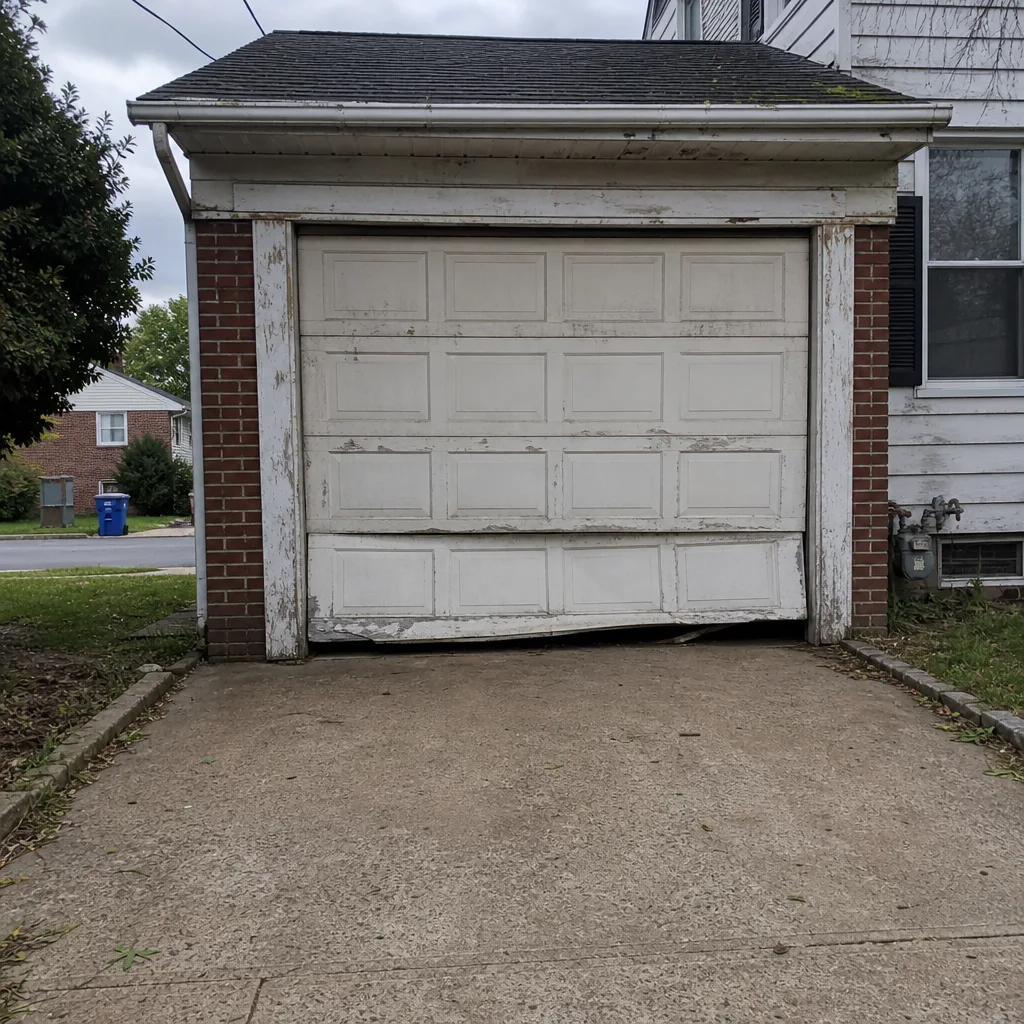 Before
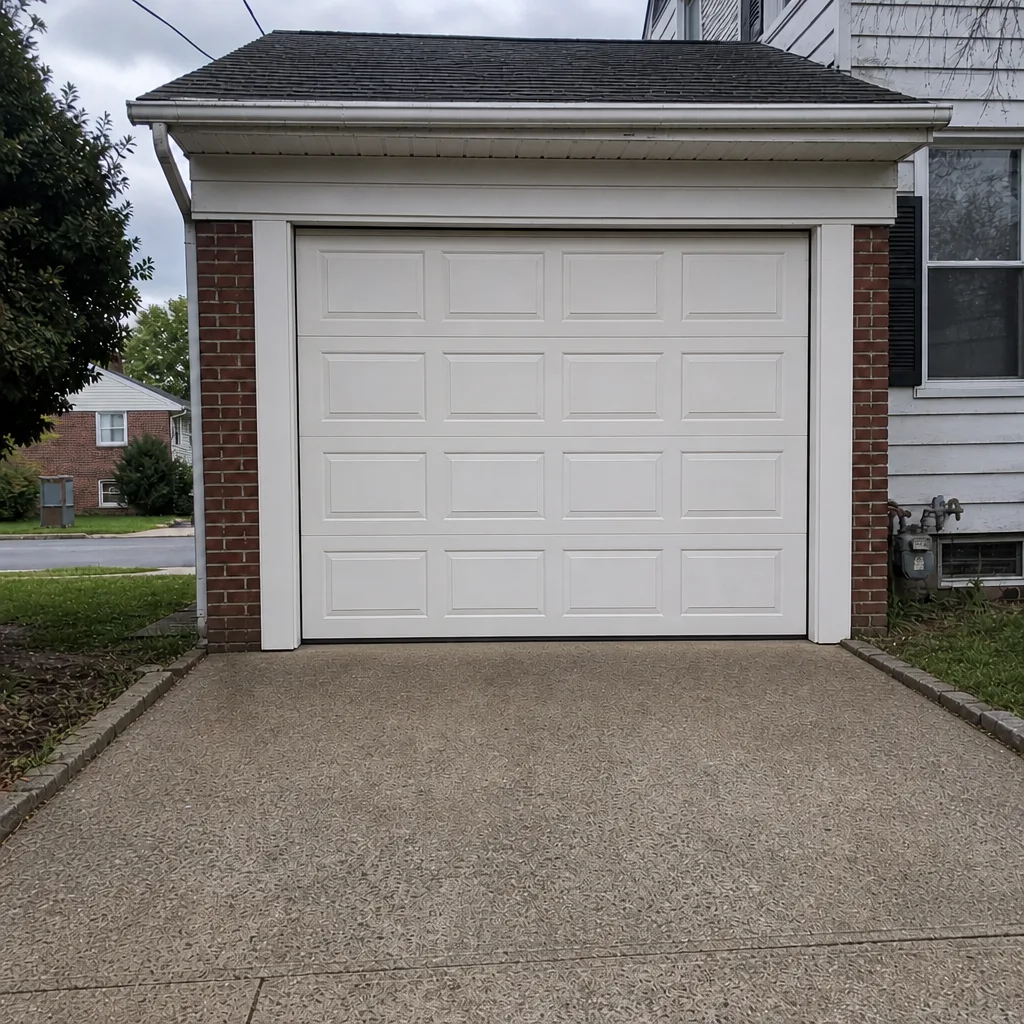 After
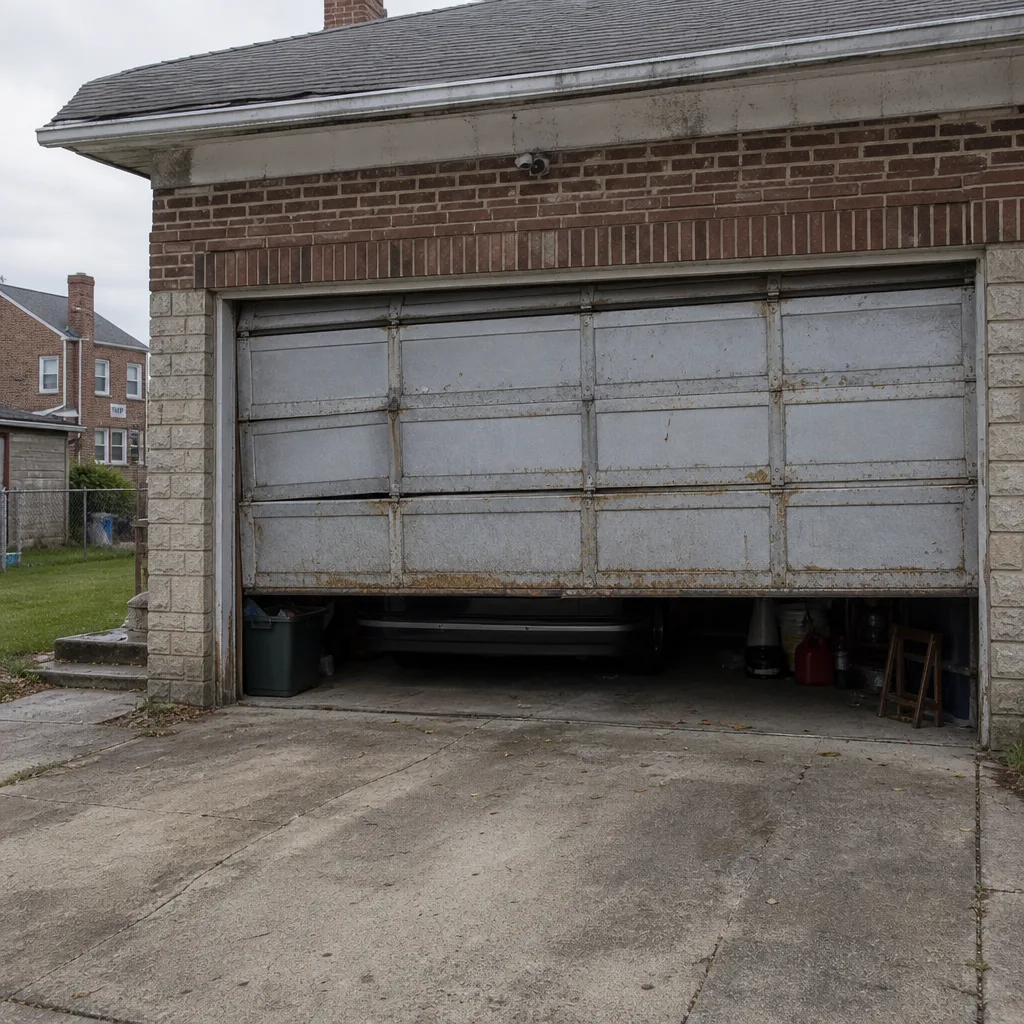 Before
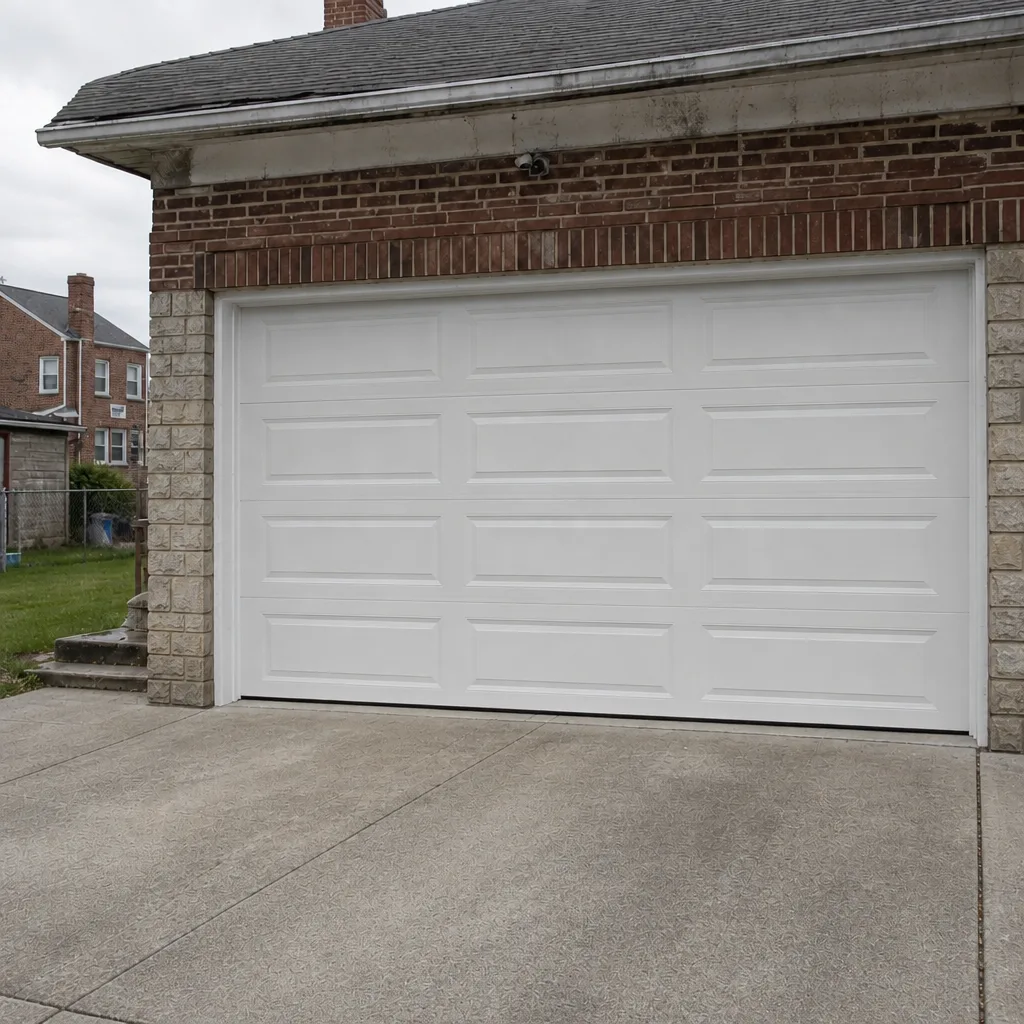 After
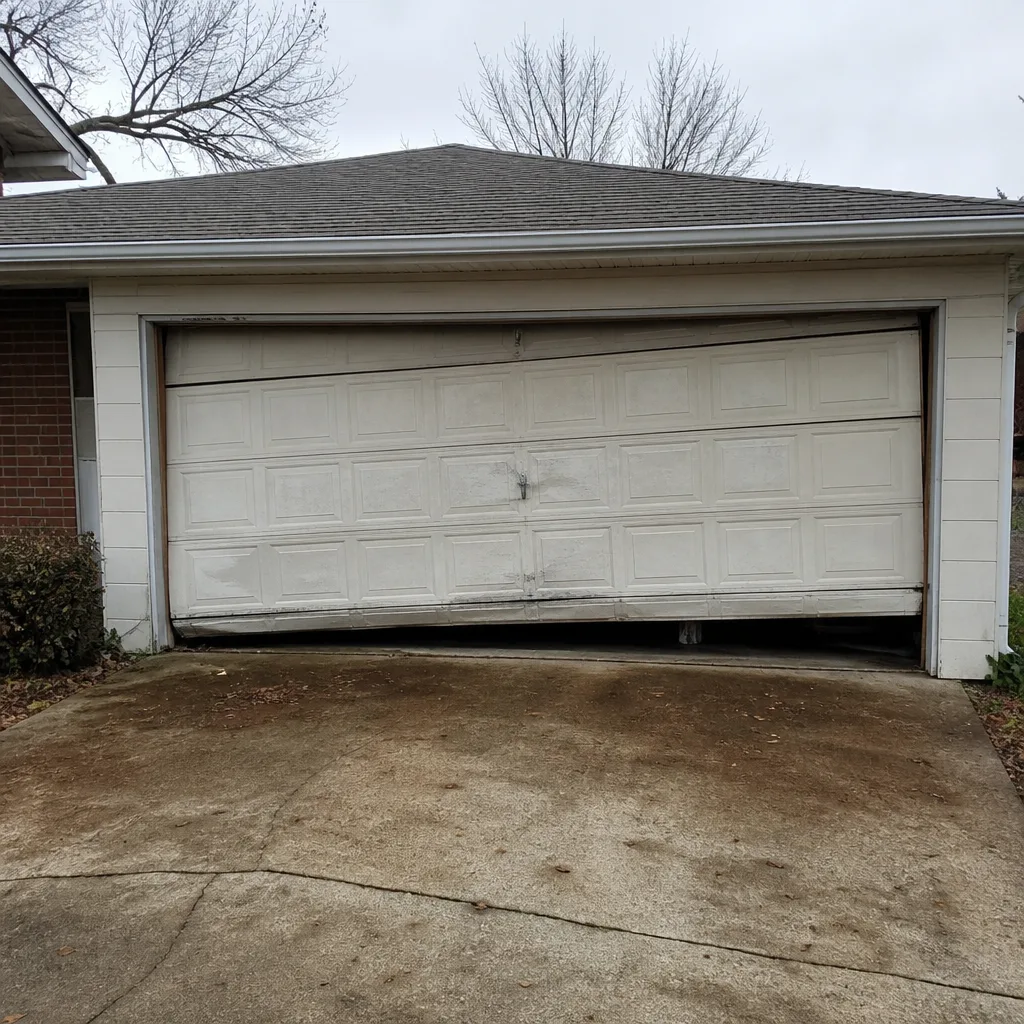 Before
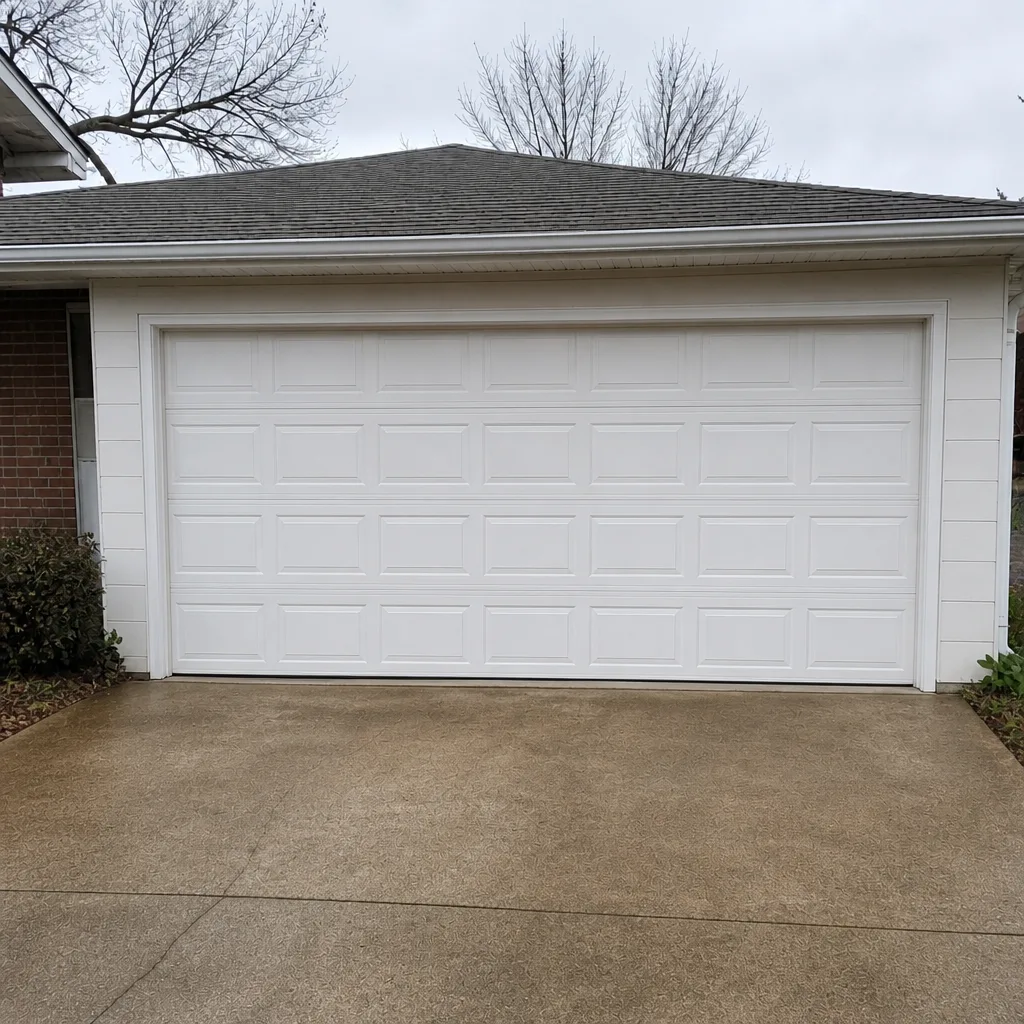 After
When to Call a Professional
Call a professional if you hear a loud bang, see a gap in the spring, find a frayed or slack cable, or watch the door hang crooked. Call if the door won’t hold its position when disconnected, drops in the last few inches, or reverses despite clean sensors. Schedule a visit if you hear a steady grind or squeal, see worn rollers, or notice the opener slowing down. Anything involving springs, cables, or drums is a trained-technician job; the stored energy in these parts can injure even when the door is still.
Garage Door Repair Govans offers free estimates in Govans. Call (877) 378-7082 for a free estimate. We answer 24/7. Fast dispatch from 7am to 7pm, Sunday through Friday. Whether the signal is a squeal you want checked or a bang you need answered now, a description of the sound and where it comes from helps us get to the right repair faster. The price is quoted and agreed before any work starts, so you’ll know the cost before anyone touches the door.
Frequently Asked Questions
A torsion spring usually gives roughly three to six weeks of warning before it snaps, most often in the form of audible strain, a door that feels heavier, or a spring that looks visibly stretched. Catching it in that window lets you schedule a spring replacement instead of waiting for a failure. Call (877) 378-7082 for an exact quote; estimates are free.
A failing spring often produces a high-pitched chirp or squeal as the coil binds and loses tension, and a snapping spring produces a single loud bang. Chirping that repeats with each rotation points to dry torsion hardware that needs attention. If you hear the bang, stop using the door and call.
You can look at them from eye level, and you should never touch them. Torsion springs, cables, and drums hold extreme stored energy and can cause serious injury even when the door is still. A visible gap or stretch is enough to call a professional.
If the sensors are clean and aligned and the door still reverses, the opener is usually reading resistance from a binding door or a spring that’s lost tension. That’s a mechanical load problem wearing on the opener, not a sensor fault. We can sort out which part is causing it, and knowing the difference prevents replacing an opener that’s fine.
The local professionals we connect you with are licensed and insured as their state requires, and they’re trained on the brands they work on, including LiftMaster, Chamberlain, and Genie. We work on the brand you already have rather than steering you toward one brand. Call (877) 378-7082 for an exact quote; estimates are free.
No. We’re closed Saturday and open Sunday through Friday, 7am to 7pm, and the price is set per job by the written estimate whether you call on a weekday or a Sunday. We answer 24/7, and a call outside dispatch hours is booked into the next opening. Call (877) 378-7082 for an exact quote; estimates are free.
The Bottom Line
Garage doors fail on a schedule you can read. The grind of a worn roller, the chirp of a dry bearing, the hesitation of a spring losing tension, and the slowdown of an opener fighting load all show up weeks before the failure itself. Your job is to notice the change and sort it into the right column: monitor and schedule for the noisy, slow, or worn signals, or stop using the door today for a bang, a spring gap, a frayed cable, or a crooked door. Never test the high-tension parts yourself. In Govans, the difference between a scheduled repair and a Sunday emergency is almost always whether someone listened early enough. If you’re not sure which column you’re in, call and tell us what you hear.
Written by the team at Garage Door Repair Govans.